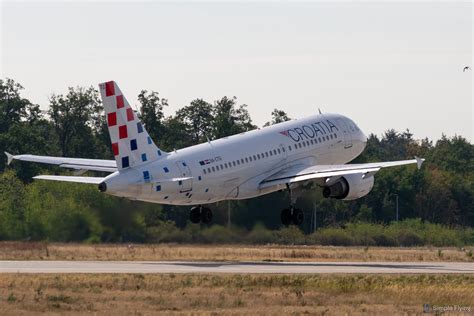
Croatia Airlines is embarking on a transformative journey as it revises its expansion strategy, notably impacting flight frequencies and schedules on key new routes. This strategic adjustment comes in light of dynamic market demand and operational optimization, reflecting the airline’s commitment to enhancing connectivity while responding to real-time passenger interests.
In an ambitious move, Croatia Airlines announced its largest network expansion in six years, set to commence in July 2025. Initial plans included launching five new international routes from Zagreb to major European cities: Prague, Bucharest, Milan Malpensa, Madrid, and Hamburg. This initiative was designed to bolster Zagreb’s position as a pivotal hub for both tourism and business travel across Europe. However, recent developments indicate that the airline is recalibrating its approach, focusing on sustainability and adaptability in response to fluctuating demand.
Changes to the Prague Route
The much-anticipated Zagreb–Prague route was initially scheduled to launch on July 2, but has been postponed to July 4. Originally slated for three flights per week, the service will now begin with only two weekly flights operating on Mondays and Fridays. Furthermore, there will be significant reductions in frequency between August 18 and August 25, as well as from September 1 to September 15, during which the route will be limited to just one flight per week. Following this brief phase of reduced service, the airline plans to restore the intended three-weekly frequency from September 15 to October 13, before reverting to two flights per week until the route concludes operations on October 20. This measured approach suggests a careful calibration of demand, indicating that while interest in the route exists, it may not yet justify the initially proposed volume of service.
Bucharest Connection: Interruptions and Frequency Reductions
The Zagreb to Bucharest connection is set to launch on July 1, with an initial schedule of three flights per week on Tuesdays, Thursdays, and Saturdays. However, by the second week, flights will drop to twice weekly, limited to Tuesdays and Saturdays. Between July 26 and August 2, only one weekly flight will operate. The service will also experience a temporary suspension from August 5 to August 14, followed by a brief return of two flights in one week. This pattern of sporadic service reveals a tentative approach to demand forecasting, as the airline gauges interest and adapts in real-time. By late August, Croatia Airlines aims to normalize operations, restoring the original three flights per week for September and October, continuing until October 25.
Adjustments on the Tirana Route
In a further adjustment, the Zagreb–Tirana route, which launched in 2024, will see its schedule modified as well. While the airline maintained a three-times-weekly service in June 2025, this will reduce to twice weekly starting in July. August will bring a return to three weekly flights, but the schedule will again be cut back to just one weekly flight from September 12 through October 24, with an exception of one week in October featuring two flights. This shift reflects operational constraints or adjusted passenger demand, showcasing the challenges of maintaining consistent frequency on newer services in a competitive regional market.
Wider Industry Implications: The Need for Flexibility
These scheduling updates are poised to have broader implications for the travel sector, particularly affecting tourism and business travel between Zagreb and the affected cities. Some potential impacts include:
- Reduced Availability: The diminished flight schedule could hinder passenger planning and limit last-minute travel options.
- Tourist Inflow: The tourist flow into Zagreb and connected destinations like Prague, Bucharest, and Tirana might experience fluctuations, especially during peak holiday months.
- Corporate Challenges: Business travelers may find it difficult to align their schedules with the newly adjusted flight times.
- Economic Ripple Effects: Airports, hotels, local transit operators, and other components of the travel ecosystem will need to adapt swiftly, particularly those anticipating increased demand due to the new routes.
Dynamic Planning for International Travelers
For travelers flying within Europe or connecting from other continents, these changes introduce a layer of uncertainty and complexity. The introduction, followed by a partial reduction, of several routes may compel passengers to seek alternative carriers or longer transit routes, thereby affecting the attractiveness of Zagreb as a hub. In destinations like Prague, Bucharest, and Tirana, the flow of international tourists could fluctuate, particularly if outbound traffic from Croatia decreases. This shift might influence regional tourism patterns and impact broader European travel logistics.
Travelers are advised to remain vigilant about schedule changes, check updates regularly, and consider flexible booking options to navigate the airline’s evolving network effectively.
Looking Ahead: A Measured Yet Ambitious Vision
While Croatia Airlines initially set out with a bold vision for its summer 2025 network, the current adjustments indicate a more calculated and demand-responsive approach. These changes do not necessarily signal a retreat but rather a reassessment of how best to roll out new services in a dynamic and often unpredictable market. The success of this expansion will likely hinge on passenger interest, fleet capacity, and external factors such as fuel prices and broader aviation trends across Europe.
As summer 2025 approaches, travelers and industry professionals alike will be closely monitoring how the airline’s network stabilizes and evolves, and whether additional changes will follow in the coming weeks. It is evident that flexibility, awareness, and timing will be crucial for anyone planning to fly through or from Zagreb on one of these newly introduced routes.