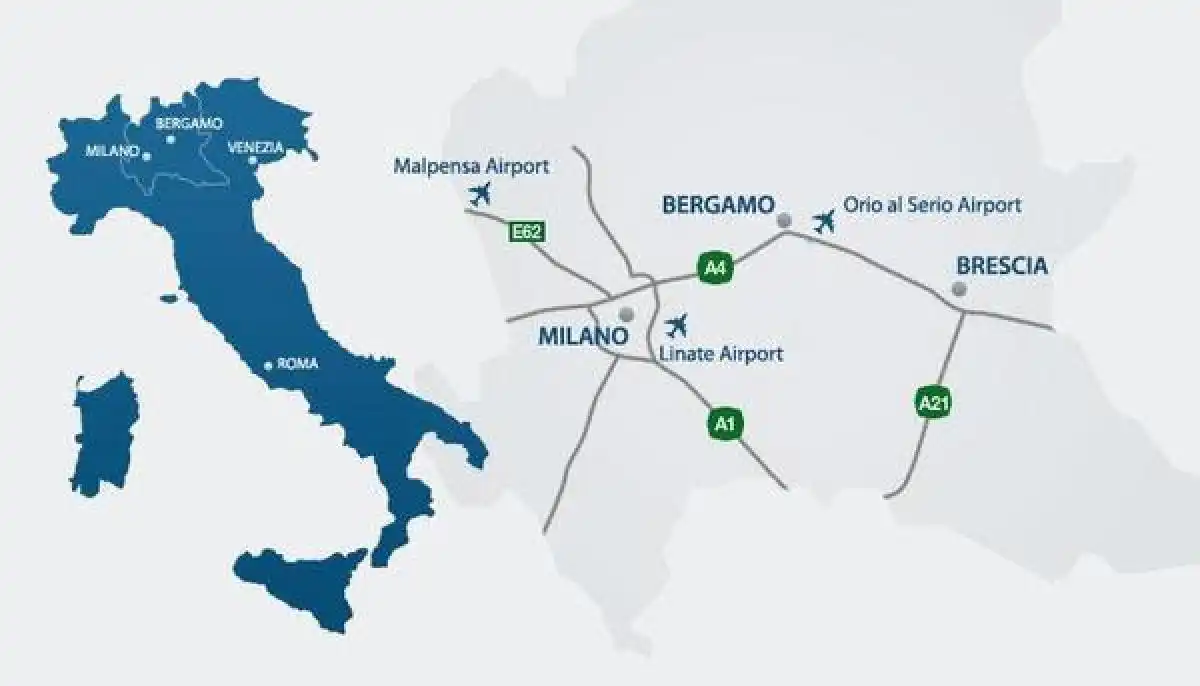
Planning an Italian getaway often begins with touching down in Milan, a city that serves as a natural gateway to northern Italy’s most alluring destinations. Whether the journey continues toward the vineyard-lined hills of Piedmont or the dramatic seaside trails of Cinque Terre, knowing the differences between Malpensa Airport (MXP) and Linate Airport (LIN) is essential. Milan’s airport system can feel counterintuitive to first-time visitors, and overlooking this detail has caused more than a few travelers to scramble between terminals, rearrange transfers, or lose precious vacation hours.
Milan’s two major airports are not interchangeable. Each one serves different types of flights, sits at dramatically different distances from the city center, and offers different levels of convenience depending on your itinerary. A well-planned arrival saves time, avoids unnecessary costs, and sets the tone for a smoother, more enjoyable start to your adventure.
Malpensa Airport, located roughly 50 kilometers northwest of central Milan, is the region’s primary entry point for long-haul and intercontinental flights. Travelers arriving from North America, Asia, or Australia almost always land here. The airport is large, modern, and designed for global traffic, which makes it exceptionally convenient for international arrivals—and noticeably less convenient for quick transfers into the city.
The Malpensa Express train offers the most efficient route into Milan, taking about 50 minutes to reach Milano Centrale. From there, a web of regional trains fan out toward the lakes, the Alps, and Italy’s trail-rich coastal regions. Although Malpensa is ideal for long-distance travelers, the extra distance from the city means budgeting additional time, especially for early tour departures, same-day train connections, or tight schedules.

Linate Airport (LIN): The Close-to-Home European Connector
Only 7 kilometers east of central Milan, Linate Airport caters primarily to domestic flights and short-haul European routes. Its compact size and proximity make it the preferred arrival point for travelers already within Europe or transferring from another Italian city. Linate’s biggest advantage is immediacy: within minutes of landing, visitors can be en route to downtown hotels, meeting points, or major train stations.
For travelers joining cycling or hiking tours, Linate provides the comfort of quick transitions. There is less transportation planning, fewer chances for missed connections, and more opportunities to settle in before the adventure begins. Its convenience, however, is balanced by a limited range of routes—long-haul travelers rarely have the option to choose Linate as their arrival point.

Why Airport Awareness Shapes a Better Travel Experience
Choosing the wrong Milan airport doesn’t just cause confusion—it can derail the early hours of a carefully planned trip. Many visitors assume both airports sit near each other or share a direct transfer. In reality, navigating between Malpensa and Linate can take up to 90 minutes by taxi or shuttle, significantly more if traffic thickens around Milan’s ring roads. For travelers carrying extra gear for cycling, photography, or hiking excursions, an unexpected airport transfer quickly becomes expensive and stressful.
A mismatched airport also complicates connections. Travelers who must catch a train to Turin, La Spezia, or the Dolomites can lose their reserved seats or miss the last departures of the day. Verifying the arrival and departure airport—every single time—removes uncertainty and protects the rhythm of your itinerary.
Proper planning turns Milan from a logistical challenge into a seamless starting point for exploration. Understanding the purpose of each airport ensures that flights, transfers, and tour schedules line up effortlessly, leaving more energy for the experiences that matter: savoring the wines of Barolo, walking centuries-old coastal paths, or wandering Milan’s own architectural treasures. A thoughtful arrival is the first step toward a journey that opens beautifully.