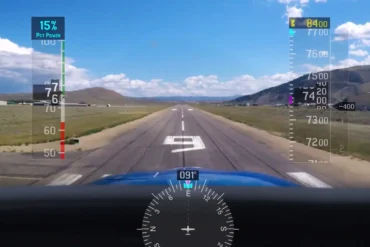
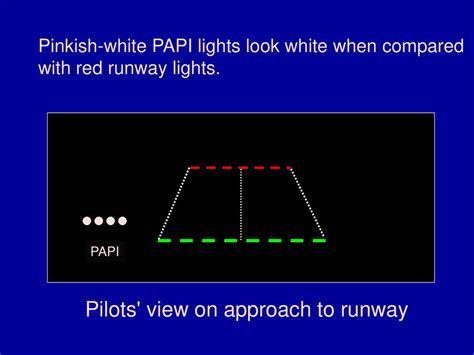
A perfect glide path is rarely handed to you twice in the same way. Environmental factors such as changing wind conditions, traffic patterns, and variation in your base-to-final turn directly influence your position relative to the ideal glide slope. If you’re seeing four white lights on the PAPI (Precision Approach Path Indicator), you’re significantly above the intended descent profile.
Often, pilots are high on final due to one or more of the following reasons:
- A late turn from base leg resulting in an extended final leg.
- A tailwind component that wasn’t accounted for.
- Excessive altitude at the start of the final turn.
- Reduced drag configuration or delayed flaps extension.
Recognizing the cause quickly allows for faster, more accurate corrective action.
The Two Critical Variables: Airspeed and Descent Rate
To correct a high approach, you must manage two primary variables: airspeed and descent rate. Understanding what controls each is vital:
- Pitch controls airspeed. When you pitch the nose up, airspeed decreases; pitch it down, and airspeed increases.
- Power controls descent rate. Adding power reduces descent rate, while reducing power increases it.
This foundational concept is what allows for precise corrections without destabilizing your approach.
Scenario 1: High But On-Speed — Let Power Do the Work
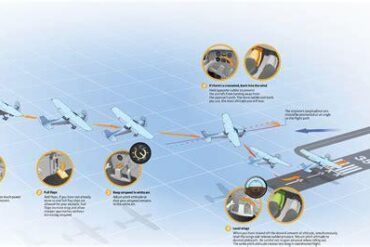
If you’re high but maintaining the correct approach speed, you are on a stable but elevated glide path. The solution is elegantly simple: reduce power. As the power comes back, your aircraft’s trimmed configuration will allow the nose to drop slightly, increasing descent rate without affecting airspeed.
Here’s how it unfolds:
- Reduce throttle incrementally and allow the aircraft to descend.
- The trim setting will lower the nose to maintain the trimmed airspeed.
- Once back on the glide path, reintroduce power to your normal setting to avoid undershooting.
Failing to reintroduce power once back on glide path will send you too low, requiring yet another correction—often rushed and inefficient.
Scenario 2: High And Slow — Let Trim Do the Work
This is a more dangerous condition. Being both high and slow on final means you are not only above glide path but also operating below your target approach speed. In this case, you’re likely holding too much back pressure, working against the aircraft’s trim.
To correct:
- Leave the power setting where it is.
- Gently release back pressure on the yoke or stick.
- Let the aircraft’s trim naturally pitch the nose down.
This method allows the aircraft to regain its target airspeed. Once airspeed is re-established, you’ll find the descent rate increasing as the nose lowers. If you still remain above glide path after this, reduce a bit of power to initiate a stronger descent—but only after speed has been regained.
The Role of Trim in Final Approach Corrections
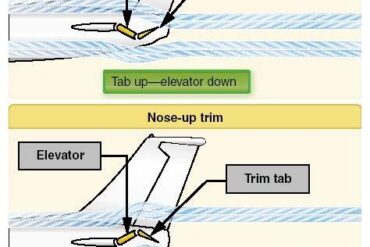
Proper trim management is often underrated. When a plane is not properly trimmed, the pilot tends to over-control or continuously fight the aircraft, leading to instability. Once you’ve recaptured the correct glide path, re-trim the aircraft for your target approach speed. This small adjustment removes the need for continuous yoke pressure and allows you to fly a more precise final.
Trim, in essence, is your autopilot for small pitch corrections. An aircraft that is properly trimmed will hold the desired pitch attitude and, by extension, the correct airspeed, with minimal input from the pilot.
Re-Establishing Stability: Don’t Overshoot Glide Path
After you’ve made the necessary corrections and returned to glide path, it’s not time to relax just yet. If you don’t reset your power and trim to standard approach values, you risk continuing below glide path or arriving too fast at the threshold.
The key points for re-establishing stability are:
- Return to your standard power setting.
- Re-trim to neutralize control pressures.
- Monitor descent rate and speed continuously until crossing the threshold.
This allows you to approach the runway threshold in a stable, controlled, and predictable manner, improving the odds of a successful flare and touchdown.
Precision vs. Panic: The Mental Discipline of Final Approach
Being high on final can spark anxiety, especially for student or low-time pilots. The temptation to dive for the runway—often by pitching down dramatically—is the wrong move. This not only increases airspeed but destabilizes the approach, reducing your chances of a smooth landing and potentially leading to a bounced or ballooned touchdown.
A better mindset is incremental correction:
- Think of final approach as a slope, not a staircase.
- Avoid large pitch or power changes.
- Trust your trim and power combination to bring you back on path gradually.
This discipline separates experienced pilots from beginners. Precision comes from making many small corrections early, rather than one large correction late.
Training for Consistency: Practice Under Variable Conditions
Real-world landings rarely occur in textbook conditions. Crosswinds, thermals, variable visibility, and unfamiliar runways all influence your final approach. The best way to become proficient at correcting when high on final is to train under diverse conditions.
We recommend practicing:
- Approaches with a strong tailwind component.
- Extended downwind and base legs.
- Reduced flap landings to simulate systems failure or short-field constraints.
Each variation sharpens your ability to recognize and respond to deviations quickly. Eventually, recognizing four white PAPI lights will trigger an automatic and correct set of adjustments.
Mastering Glide Path Correction for Safety and Confidence
Correcting a high final approach is about more than saving a landing—it’s about developing judgment, discipline, and control. The three key takeaways are:
- High and on-speed? Reduce power.
- High and slow? Relax back pressure and let trim pitch you down.
- Once back on glide path, reapply power and re-trim to stabilize.
These principles hold true whether you’re in a Cessna 172 or transitioning to complex aircraft. While avionics and automation evolve, the fundamentals of pitch, power, and trim remain the foundation of a precise and safe approach.

Incorporating these corrections into your flying routine ensures every approach is as safe, controlled, and predictable as possible. It’s not just about correcting when you’re high on final—it’s about becoming the kind of pilot who seldom gets there in the first place.
Let your next flight reflect these lessons, and watch as your landings become consistently smoother, more professional, and more rewarding.