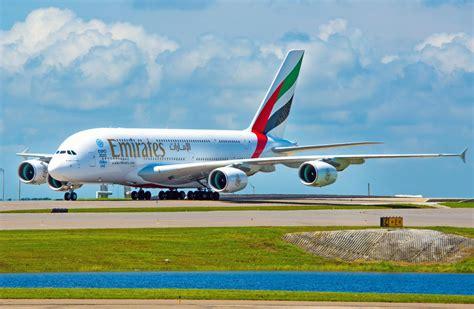
Emirates, the Dubai-based global aviation giant, continues to maintain a resilient presence across the United States despite mounting geopolitical tensions and operational constraints in the Middle East. While most of its transatlantic routes remain active—albeit at reduced frequencies—one notable exception stands out. The airline’s non-stop service between Dubai International Airport (DXB) and Orlando International Airport (MCO) remains the only US route still suspended, highlighting both strategic recalibration and shifting passenger demand patterns.
Why Orlando Stands Apart in Emirates’ US Network
Unlike major hubs such as New York (JFK), Los Angeles (LAX), and Chicago (ORD), Orlando has consistently underperformed in Emirates’ North American portfolio. According to aviation analytics firm Cirium, the route recorded just 133,000 round-trip passengers in 2025, making it the weakest link among the airline’s US destinations. This relatively modest traffic volume has made it more vulnerable to suspension during periods of operational strain.
The broader context is critical. Escalating tensions tied to the Israel-Iran conflict have forced several Middle Eastern carriers to navigate restricted airspace and increased operational complexity. Emirates, known for its efficiency and expansive global reach, has responded by trimming frequencies rather than executing widespread route cancellations. Orlando, however, did not escape the cut.
Operational Pressures and Temporary Suspension
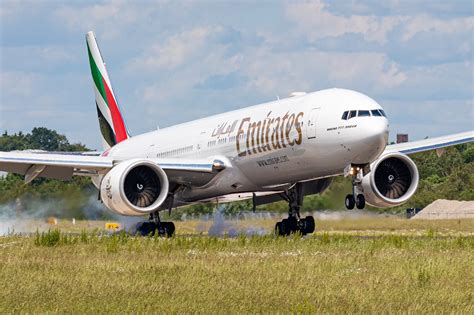
The Orlando route, typically operated by the Boeing 777-300ER, has been paused primarily due to logistical constraints rather than a collapse in demand alone. Long-haul flights of over 15 hours require precise coordination, especially when airspace disruptions extend flight times or limit routing options.
Emirates has confirmed plans to resume the service beginning May 1, initially operating six times weekly. The schedule reflects a cautious but optimistic return:
- EK219: Departs Dubai at 2:50 AM, arrives Orlando at 10:25 AM (15h 35m)
- EK220: Departs Orlando at 8:50 PM, arrives Dubai at 7:05 PM (14h 15m)
This planned resumption underscores a broader strategy: maintain network integrity while adapting to volatile external conditions. However, the airline has left room for flexibility, acknowledging that further delays remain possible depending on geopolitical developments.
A Route Built on Connections, Not Just Destination Traffic
Orlando’s role within Emirates’ network is unique. Unlike cities with strong point-to-point demand, Orlando functions primarily as a feeder market into Emirates’ vast global system. Data reveals that approximately 80% of passengers on this route connect onward via Dubai rather than ending their journey there.
The most popular connecting destinations include major Indian cities such as Mumbai, Delhi, Bengaluru, Hyderabad, and Chennai, alongside key Asian hubs like Bangkok, Singapore, Jakarta, and Manila. This heavy reliance on transit traffic makes the route more sensitive to fluctuations in global travel demand and network connectivity.

The Evolution of Emirates’ Orlando Service
Emirates first launched its Orlando route on September 1, 2015, marking its entry into Florida and its tenth destination in the United States at the time. The inaugural flight was operated using the iconic Airbus A380, signaling strong initial confidence in the market.
Over time, the airline transitioned through multiple aircraft types—from the Boeing 777-200LR to the more commonly deployed 777-300ER—reflecting adjustments in capacity and demand. Orlando was selected not only for its status as a global tourism powerhouse but also for its growing business ecosystem and cargo potential. At launch, the route supported more than 17 tons of daily cargo capacity in each direction, reinforcing its strategic importance beyond passenger travel.
Despite these strengths, the route has struggled to match the consistent performance of Emirates’ other US services, particularly those anchored in major financial and cultural centers.
Emirates’ Expansive US Network Remains Intact
While Orlando remains sidelined, Emirates continues to operate a robust network across the United States. Key destinations include:
- Boston, New York (JFK), Newark, Washington D.C.
- Chicago, Dallas/Fort Worth, Houston
- Los Angeles, San Francisco, Seattle
- Miami, including a fifth freedom route to Bogotá via Miami
The airline’s first US route, launched in 2004 to New York (JFK), remains a cornerstone of its operations and is frequently served by the flagship Airbus A380. This long-standing presence has allowed Emirates to build deep partnerships and offer seamless connectivity across North America and beyond.
What the Orlando Suspension Signals for the Future
The continued suspension of the Orlando route is less a sign of retreat and more an illustration of precision network management. Emirates is prioritizing routes with stronger yields, higher demand, and greater strategic value during a period of uncertainty. Orlando, with its heavy dependence on connecting passengers and comparatively lower traffic, naturally falls lower on that priority list.
Yet the planned May resumption—paired with an increase from five to six weekly flights—suggests that Emirates still sees long-term potential in the market. If global travel stabilizes and demand rebounds, Orlando could regain its footing within the airline’s US network.
For now, it remains a singular outlier: the only suspended US route in an otherwise resilient and adaptive Emirates network.