American Airlines Revives One of Its Shortest Domestic Flights
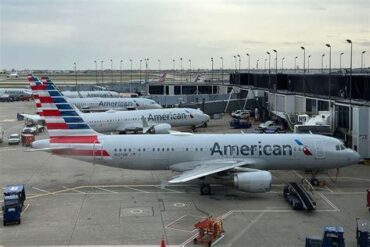
American Airlines is preparing to bring back scheduled air service between Chicago O’Hare International Airport (ORD) and South Bend International Airport (SBN), launching one of the shortest routes in its network. The new 84-mile (135-kilometer) regional flight will begin on October 3, 2026, marking American’s return to the market after a gap of more than 27 years.
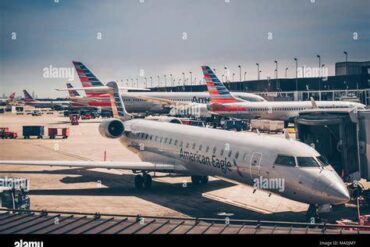
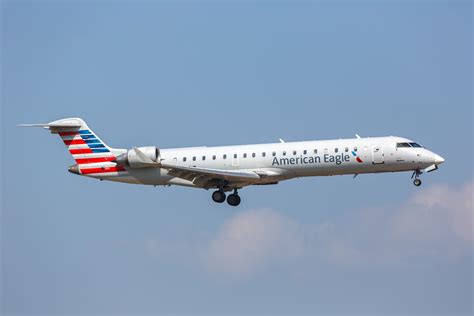
The route will operate under the American Eagle brand through regional partner SkyWest Airlines. Flights will run three times daily using Bombardier CRJ-700 regional jets, replacing the Landline motorcoach connection that American introduced in 2025. While the distance is extremely short by aviation standards, the route serves an important purpose by connecting South Bend travelers directly into American’s major hub at O’Hare.
The move highlights how airlines continue to balance traditional aircraft operations with alternative transportation options. Instead of relying on a bus connection, American will now provide a true flight experience with faster travel times, additional seating capacity, and connections through one of the world’s busiest airports.
A Historic Return After More Than Two Decades
American Airlines previously operated flights between Chicago and South Bend before ending the service approximately 27 years ago. Since then, travelers in northern Indiana have primarily relied on ground transportation or competing airline services to reach Chicago.
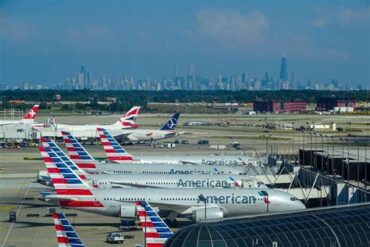
The renewed route comes as demand for convenient regional connectivity continues to grow. South Bend is home to major institutions, including the University of Notre Dame, while Chicago remains a critical business, tourism, and international gateway. A direct American Eagle connection allows passengers to avoid lengthy highway travel while gaining access to American’s global network from O’Hare.
Although the flight covers only 84 miles, the practical advantages are significant. Driving between the two airports can exceed 100 miles by road and often takes more than two hours due to traffic around Chicago. The aircraft journey itself is only a brief hop involving a short climb, limited cruise time, and an immediate descent.
CRJ-700 Aircraft Bring More Seats Than the Previous Bus Service
The new American Eagle operation will be flown with 65-seat Bombardier CRJ-700 aircraft, a regional jet already widely used throughout American’s Midwest network. The aircraft will include nine first-class seats along with additional premium seating options, providing a more traditional airline experience compared with the previous Landline buses.
The switch from motorcoach service will also increase daily capacity. The former Landline operation offered approximately 140 seats per day in each direction, while the three daily CRJ-700 flights will provide around 195 seats each way.
American’s new schedule is designed around passenger convenience, with departures spread across the day. Flights from Chicago will operate around midday, afternoon, and evening periods, while South Bend departures will support morning and afternoon travel needs.
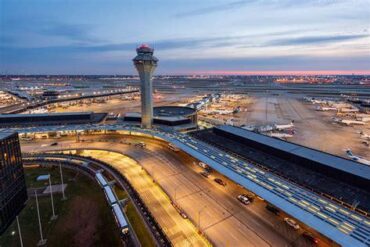
The scheduled flight time is listed at roughly 70 to 75 minutes, although much of that time comes from taxiing at O’Hare, where congestion can significantly affect aircraft movement. The actual airborne portion of the journey is much shorter.
American Airlines Faces Strong Competition From United
American will not be entering an empty market. Rival carrier United Airlines already operates a strong presence between Chicago O’Hare and South Bend, making the route one of the most competitive short domestic markets in the United States.
United currently operates up to eight daily round trips on the same city pair, using aircraft including the Bombardier CRJ200 and CRJ550. With American adding three daily flights, the route will see more scheduled departures than in previous years.
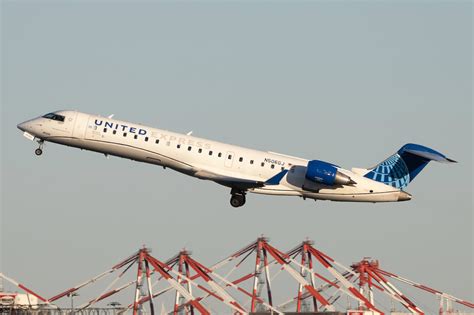
The competition reflects the importance of South Bend’s connection to Chicago. While the flight distance is small, both airlines view the route as a feeder service that helps connect regional passengers to larger domestic and international networks.
For American, the service strengthens its position at O’Hare and provides additional options for travelers who previously depended on buses or competing airlines.
The End of American’s Short-Lived Chicago Landline Network
The new flights also mark the end of American’s experimental Landline operation from Chicago. The airline launched the service in October 2025, offering bus-based “flights” from O’Hare to South Bend and Chicago Rockford International Airport.
Passengers using the Landline service followed many airline-style procedures, including baggage check-in and TSA screening before boarding. The buses featured leather seats, Wi-Fi, and AAdvantage mileage earning, creating a hybrid experience between ground transportation and air travel.
However, the Chicago Landline experiment was short-lived. The South Bend connection will transition to aircraft service, while the Rockford route will end without a replacement flight. The final Rockford bus departure is scheduled for October 4, 2026.
American’s larger Landline network at Philadelphia International Airport will continue operating, serving several nearby destinations within approximately 100 miles of Philadelphia.
A Tiny Route With Strategic Importance
At just 84 miles, Chicago O’Hare–South Bend will become American Airlines’ second-shortest domestic route once service begins. Only the 67-mile Chicago O’Hare–Milwaukee route will be shorter among American’s domestic flights.
Across American’s entire network, the shortest route is currently the 64-mile Miami–South Bimini service, launched in 2026. These ultra-short flights demonstrate that distance alone does not determine a route’s value.
For airlines, regional flights are often less about the length of the journey and more about network connectivity. The return of American’s South Bend service shows that even an 84-mile flight can play an important role in linking communities with major aviation hubs.