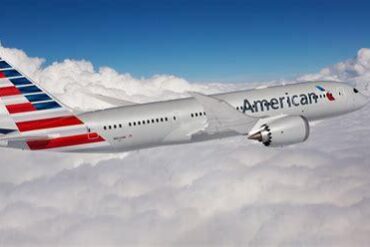
American Airlines is significantly expanding its long-haul network from Chicago O’Hare International Airport (ORD), reinforcing the airport’s role as one of its most important domestic hubs. The airline has already introduced seven new long-haul routes during the year, with three additional services scheduled to begin over the coming months. Once all are operational, these routes will represent the 10 longest nonstop flights operated by American from Chicago, highlighting an ambitious strategy to strengthen international connectivity while challenging rivals in several key markets.
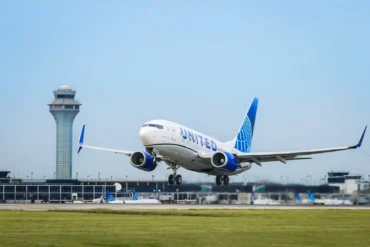
The expansion reflects more than simple route growth. It signals American Airlines’ determination to increase its presence at one of the world’s most competitive aviation hubs. Chicago O’Hare has long been dominated by both American Airlines and United Airlines, making every new route, aircraft deployment, and gate allocation strategically significant. By expanding its portfolio of ultra-long and long-haul services, American is positioning Chicago as a stronger gateway for travelers heading to Europe, Asia, and Hawaii.
The newly expanded portfolio includes seven European destinations, one trans-Pacific route, and two services to Hawaii, giving travelers from the Midwest considerably more nonstop options than before. Together, these additions broaden the airline’s global reach while improving connectivity throughout its wider international network.
Tokyo Narita Returns as Chicago’s Longest American Airlines Route
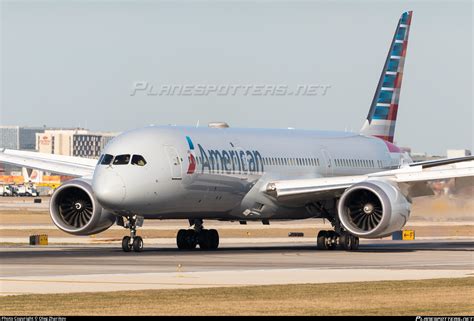
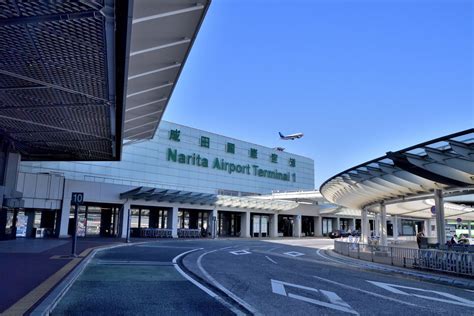
The centerpiece of the expansion is the long-awaited return of nonstop flights between Chicago O’Hare and Tokyo Narita Airport (NRT). Scheduled to resume on March 27, 2027, the service marks the return of a route that American last operated in December 2019 before suspending it for several years.
Stretching approximately 6,274 miles (10,097 kilometers) along the great-circle route, the flight will become the airline’s longest nonstop service from Chicago. The route reconnects one of North America’s largest business centers with one of Asia’s most important aviation gateways, serving both corporate travelers and leisure passengers seeking direct access to Japan and beyond.
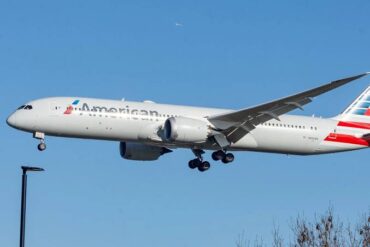
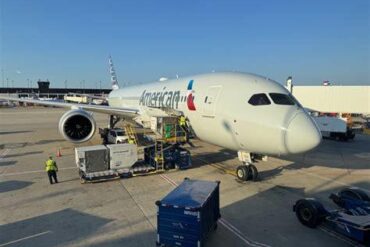
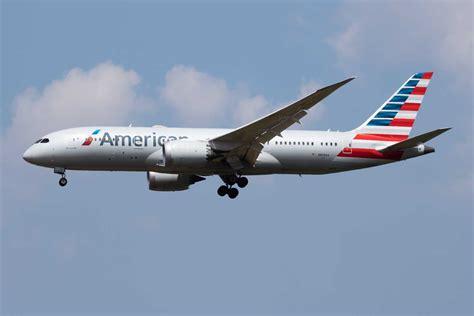
American plans to operate the service daily using its modern Boeing 787-9 Dreamliner, an aircraft well suited for ultra-long-haul operations thanks to its fuel efficiency, passenger comfort, and long-range capability. Travelers can expect the outbound flight to depart Chicago at 12:35 PM, arriving in Tokyo at 3:30 PM the following day, while the return flight will leave Tokyo at 5:50 PM and land back in Chicago at 4:20 PM on the same day because of time zone differences.
Partnership With Japan Airlines Strengthens Pacific Connectivity
The restored Tokyo service will operate under the Pacific Joint Business Agreement between American Airlines and Japan Airlines, allowing both carriers to coordinate schedules and improve passenger connectivity across their combined networks.
This partnership enables customers arriving in Tokyo to access numerous onward destinations throughout Japan and across Asia through Japan Airlines’ extensive domestic and regional operations. Likewise, inbound passengers from Asia gain seamless connections across American’s extensive North American network through its Chicago hub.
The collaboration enhances schedule flexibility while strengthening both airlines’ competitive position in the increasingly important trans-Pacific market.
Direct Competition Intensifies on Key International Routes
American’s return to Tokyo also introduces direct competition with All Nippon Airways (ANA), which already operates nonstop flights between Chicago and Tokyo. ANA’s service additionally supports connectivity for its Star Alliance partner, United Airlines, whose largest Midwest hub is also located at Chicago O’Hare.
The renewed competition gives travelers more choices in scheduling, onboard products, loyalty program benefits, and connecting itineraries. For business travelers especially, increased frequency and competitive pricing often become important advantages whenever multiple airlines serve identical long-haul markets.
The Tokyo route is only one example of growing competition. Several of American’s recently launched European services also overlap with existing United Airlines routes, creating additional head-to-head battles across some of the busiest international corridors departing from Chicago.
Hawaii Expands American’s Long-Haul Domestic Network
International expansion is only part of the airline’s strategy. American is also strengthening its domestic long-haul portfolio by restoring nonstop flights to Honolulu and launching service to Kahului, Maui.
Nonstop service to Honolulu is scheduled to begin on October 25, while flights to Kahului are expected to commence on December 17. Although domestic, both Hawaiian routes rank among the airline’s longest nonstop services from Chicago because of the considerable distance separating the Midwest from the central Pacific.
These additions provide travelers with convenient nonstop access to Hawaii while reducing reliance on connections through West Coast airports.
Chicago O’Hare Becomes an Even More Important Growth Hub
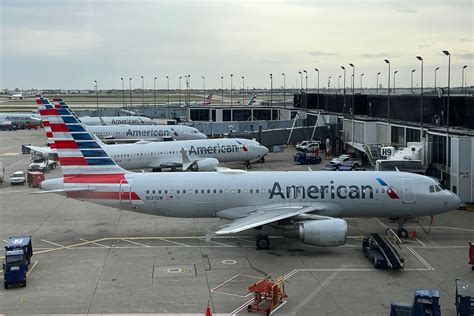
American’s route expansion coincides with substantial investment in its Chicago operations. Beyond adding destinations, the airline has committed billions of dollars toward improving customer facilities, terminal infrastructure, and operational efficiency at O’Hare.
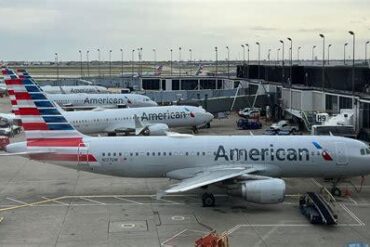
An equally important development has been the airline’s success in expanding its gate access. By acquiring additional gate resources, including facilities previously assigned to other carriers, American has increased its operational flexibility at one of the busiest airports in the United States.
Recent gate reallocations have further strengthened the airline’s competitive position, with American receiving additional gate assignments while United lost access to several positions. Since gate availability directly affects scheduling capacity and future expansion opportunities, these changes carry significant long-term strategic value.
The airport itself is also preparing for continued growth. O’Hare’s ongoing modernization program includes construction of 19 new satellite gates as part of the Concourse C expansion, scheduled for completion by 2028. The additional infrastructure will support rising passenger demand while allowing both major hub airlines to expand future operations.
American Airlines Reinforces Its Long-Term Chicago Strategy
The addition of ten flagship long-haul routes demonstrates that American Airlines views Chicago as a cornerstone of its global network rather than simply another domestic hub. From restoring trans-Pacific connectivity with Tokyo to expanding European services and strengthening nonstop links to Hawaii, the airline is building a broader portfolio designed to attract both premium business travelers and leisure passengers.
As new aircraft enter service, airport infrastructure expands, and competition with United Airlines continues to intensify, Chicago O’Hare is poised to become an even more influential gateway for international travel. American’s latest network expansion underscores a long-term commitment to growing its presence in one of the world’s most strategically important aviation markets while giving passengers a wider range of nonstop destinations than ever before.