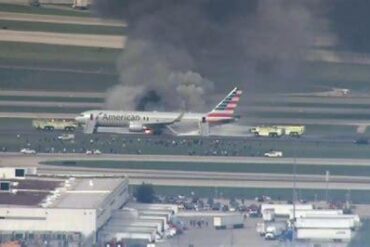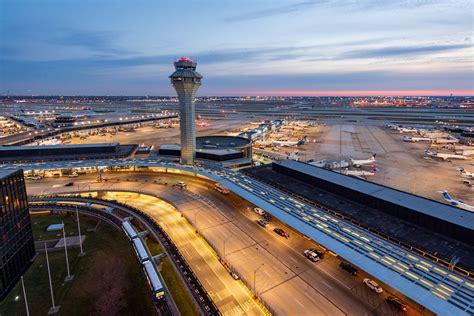
On the evening of December 30, 2025, American Airlines faced a significant operational disruption at Chicago O’Hare International Airport (ORD) after a snow removal device, reportedly a snow melter, allegedly caught fire, prompting the Federal Aviation Administration (FAA) to issue an immediate ground stop for all American flights.
The temporary order, effective from 9:34 PM to 11:00 PM, halted all American Airlines departures and restricted incoming flights, with inbound traffic holding for up to 30 minutes before clearance to land was granted. This incident added strain to an already beleaguered city grappling with back-to-back snowfalls and snarled transportation networks.
Snow Melter Blaze Disrupts Runway Operations
The fire incident reportedly occurred near runway 28C, a crucial part of O’Hare’s sprawling airfield, consisting of eight active runways. While official confirmation of the fire’s severity remains pending, aviation insider JonNYC suggested via X (formerly Twitter) that the blaze may have been limited—a “small flame”—but disruptive enough to halt operations. The event’s location, near one of the airport’s main active runways, forced multiple go-arounds and flight diversions, impacting not just American Airlines but also United Airlines, which shares a significant operational footprint at the airport.
The ATCSCC Advisory 016, released early December 31, highlighted the surface incident and issued formal warnings of airborne holding and arrival delays at ORD. Airlines and pilots were instructed to anticipate potential reroutes and longer landing queues, exacerbating delays already triggered by Chicago’s volatile weather.
Weather Compounds Crisis Amidst Ongoing Snowfall
Chicago’s weather played a pivotal role in amplifying the crisis. Though only light snow was forecast through the afternoon and evening of December 30, the residual effect of two earlier major snow dumps rendered O’Hare’s runways vulnerable to accumulated surface hazards. The fire incident, happening during ongoing snow removal operations, meant that critical snow-clearing equipment had to be sidelined while emergency responders dealt with the malfunction.
The fire near runway 28C and ongoing snow removal at runway 28L led airport authorities and air traffic control to transition operations to runways 27R and 27C. This abrupt pivot, according to reports from WindyCity Weather and News, required intricate coordination between the FAA, airport ground teams, and airline dispatchers.
Runway Reassignments and Tactical Holding Patterns
O’Hare’s runway layout is complex, with the following configurations:
- 10L/28R – 13,000 ft (Asphalt)
- 9R/27L – 11,260 ft (Asphalt)
- 9C/27C – 11,245 ft (Concrete)
- 10C/28C – 10,800 ft (Concrete)
- Additional runways ranging between 7,500 and 8,000 ft
This flexible infrastructure allows for dynamic reallocation during emergencies. Nevertheless, the sudden transition caused substantial air traffic backlog, with over 30 miles of inbound aircraft queuing north of the airfield as operations on 28C halted.
Impact on American Airlines and Diverted Flights
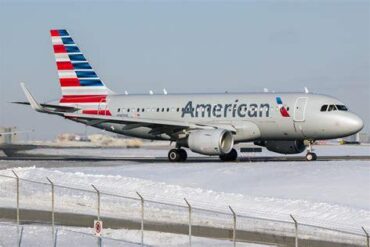
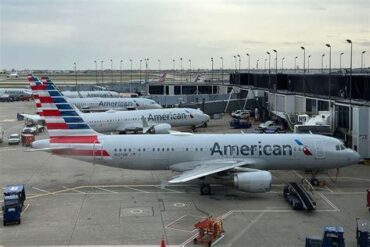
The airline most directly affected was American Airlines, with its domestic hub operations at ORD severely curtailed. According to the Bureau of Transportation Statistics, American controls 23% of all flights at O’Hare, second only to United Airlines. During the ground stop, multiple American flights were delayed, and others diverted, most notably AA1979, a Boeing 737-800 flight en route from Los Angeles International Airport (LAX), which was redirected to Indianapolis International Airport (IND).
Passengers were left scrambling for alternate plans, and the FAA advised all travelers to consult their airlines before heading to the airport. Given the cascading impact of the shutdown, delays and cancellations were expected to spill into the early hours of Wednesday, December 31.
Operational Fallout and Broader Implications
O’Hare, one of the busiest airports in the United States, is a critical node in both domestic and international aviation. Disruptions here ripple throughout the national airspace system, especially during high-travel periods. The ground stop at ORD adds to a growing list of weather-related incidents affecting air travel this winter, including a similar runway shutdown at Ronald Reagan Washington National Airport earlier in January.
The immediate concern remains the cause and containment of the fire in the snow melter. Snow melters are crucial in airport winter operations, capable of rapidly liquefying tons of snow. A fire within such a device is rare and potentially hazardous given the mix of fuel systems, high temperatures, and operational proximity to active runways.
Questions Raised Over Equipment Safety and Redundancy
This event raises significant safety and redundancy questions. Why did the snow melter ignite? Were proper inspections and safety protocols in place? Could maintenance lapses have played a role? These questions are particularly urgent as airports increasingly rely on high-powered snow equipment to maintain operational continuity during intensifying winter storms—a trend exacerbated by climate variability.
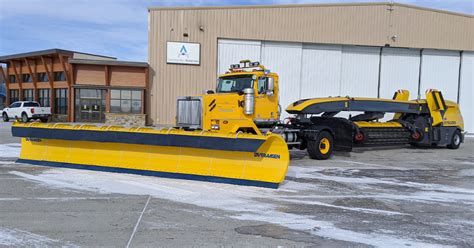
An internal investigation, if not already underway, is almost certain. Depending on findings, it could spur an industry-wide review of ground equipment safety protocols, particularly in cold-weather airport hubs like Chicago, Denver, and Minneapolis.
FAA and Airline Coordination in High-Stress Scenarios
Despite the chaos, the coordination between the FAA, airport operations, and airline dispatch teams appears to have worked efficiently. The ATCSCC advisory was timely, and the rerouting to alternate runways, while disruptive, was carried out without major safety incidents.
Such situations also reveal the fragility of flight schedules under stress. A single ground equipment failure—compounded by weather—can derail the tight choreography of airport movements. This is especially problematic for hub-and-spoke carriers like American, whose network efficiency depends on synchronized arrivals and departures.
Passenger Experience and Communication Challenges
While operational measures are vital, the passenger experience during these disruptions often suffers. Social media lit up with complaints of limited communication, long delays, and confusion at boarding gates. Several travelers noted the lack of timely updates from gate agents and customer service hotlines.
For an airline industry already grappling with reputational issues around service reliability, such lapses can have long-term brand consequences. Moving forward, American Airlines and O’Hare management may need to re-evaluate real-time communication protocols, particularly during unplanned events.
Conclusion: Weather, Equipment, and a Fragile System
The snow melter fire incident at Chicago O’Hare serves as a potent reminder of how even small-scale mechanical failures can have far-reaching consequences in aviation. As climate patterns continue to throw extreme weather into the mix, airports and airlines will need to double down on equipment resilience, coordination systems, and passenger communication strategies.
As of the early hours of Wednesday, December 31, flight operations were slowly resuming, but residual delays continued to impact schedules. The FAA has yet to release a formal incident report, and American Airlines has not issued a detailed public statement on the root cause of the fire.
Until then, questions remain—not only about what failed, but about how well-equipped the nation’s airports are to handle unexpected crises under pressure.