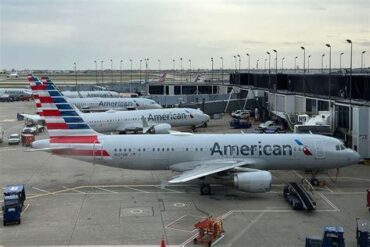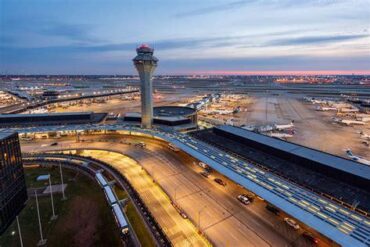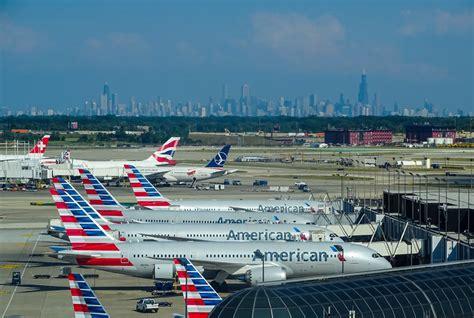
American Airlines is reasserting its commitment to Chicago, one of the most competitive aviation markets in the country, as it ramps up growth efforts at O’Hare International Airport (ORD). In a strategic push to retain and expand its footprint, the airline is making a high-stakes move to secure its future at a hub that has long been dominated by fierce competition — especially from United Airlines.
Chief Financial Officer Devon May underscored this renewed focus during an investor conference, reaffirming that Chicago remains American’s third-largest hub. Despite years of downplaying the airport’s role in its broader network strategy, recent developments, including potential gate losses and rivalry with United, have put O’Hare back at the center of American’s plans.
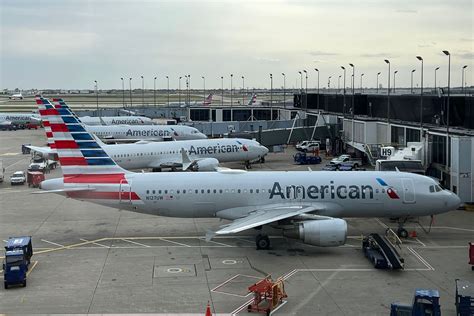
American Airlines’ Legacy at O’Hare: A Hub Rich in History and Rivalry
American Airlines’ history at O’Hare dates back to the early 1980s, when it first established the airport as a cornerstone of its domestic and international operations. Since then, the airline has gone head-to-head with United Airlines, the Chicago-based behemoth that considers O’Hare its home turf. This rivalry was immortalized in pop culture when American played a featured role in the 1990 holiday classic Home Alone, filmed in part at O’Hare.
Historically, American treated O’Hare as a flagship location, with up to 500 daily departures before the onset of the COVID-19 pandemic. However, as the pandemic reshaped air travel and forced airlines to recalibrate, American shifted its focus away from Chicago. Executives prioritized growth in what they described as the company’s most profitable hubs: Dallas-Fort Worth International Airport (DFW), Charlotte Douglas International Airport (CLT), and Ronald Reagan Washington National Airport (DCA). O’Hare, notably, was absent from the post-pandemic spotlight — until now.
A Strategic Revival: New Routes and Renewed Optimism
In 2024, American Airlines is clearly signaling a strategic shift. As Devon May stated, the airline is actively “growing back Chicago.” The carrier has announced seven new or returning routes from O’Hare, with service to destinations such as Curacao, Roanoke-Blacksburg, and St. Maarten, alongside transatlantic options like Naples, Italy. According to aviation analytics firm Cirium, the airline will operate an average of 468 daily departures from O’Hare during the summer months of June, July, and August.
This increase in operations serves a dual purpose: meeting rising customer demand and bolstering the airline’s gate usage metrics ahead of a critical deadline.
The Gate Battle: Legal Maneuvers Amid Competitive Turbulence
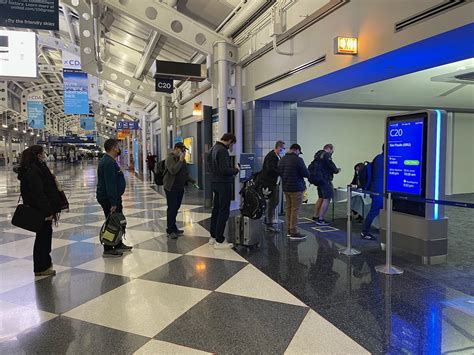
Behind American’s public optimism lies a more contentious reality. A 2018 agreement with the Chicago Department of Aviation — signed by both American and United — stipulates that gate allocations for 2026 will be based on departure volumes from 2024. In essence, an airline’s current performance directly affects its future access to gates, which are essential for operational growth.
In 2023, American averaged 349 daily departures, and 388 during the summer peak. In contrast, United’s corresponding figures were 481 and 496, giving it a distinct competitive edge. American now risks losing up to six gates, a potentially devastating blow in a market where airport real estate is synonymous with market share.
United has not only increased its departure numbers but also ramped up its marketing presence in Chicago, declaring itself as the city’s “#1 Airline” and offering MileagePlus status matches to attract frequent flyers from competitors.
American, feeling the squeeze, has taken the dispute to court, filing a lawsuit to prevent the gate redistribution. The case is currently pending, with implications that could shape Chicago’s aviation landscape for years to come.
Pandemic Fallout and the Regional Recovery Lag
American’s slower recovery at O’Hare can be partly attributed to the pilot shortage that crippled its regional partners in the aftermath of the pandemic. Devon May acknowledged that this shortage “came later than we would have liked,” delaying the return of crucial regional routes that typically feed into the mainline network.
This regional lag put American behind in the departure count race, which could now cost the airline dearly in terms of gate access. Yet, May remains bullish, stating that American intends to “fully utilize” its current assets at O’Hare, with a clear eye on expansion.
Competitive Pressure From United Airlines
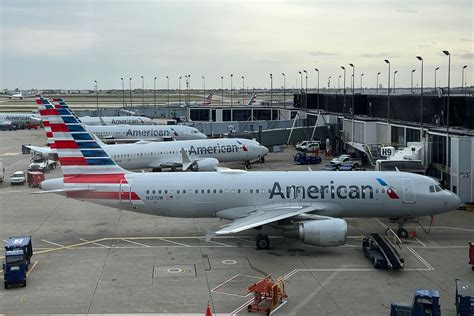
The competitive heat at O’Hare is intensifying. United Airlines, bolstered by a strong hometown presence and a strategic expansion plan, has consistently outperformed American in both frequency and gate utilization. By leveraging its base and aggressive marketing, United has managed to position itself as the dominant carrier in Chicago.
United’s assertiveness, backed by higher departure numbers, increases its eligibility for additional gates under the 2018 agreement. This makes it even more critical for American to ramp up its Chicago operations to avoid long-term structural disadvantages.
The stakes are high — not just in terms of gate access but also in terms of brand perception and customer loyalty in one of America’s busiest aviation hubs.
Strategic Importance of O’Hare in American’s National Network
While other hubs may offer higher profitability per flight, Chicago’s O’Hare presents unique value as a central nexus for cross-country and international travel. The airport’s geographic position allows American to serve a mix of short-haul, transcontinental, and long-haul international routes efficiently.
By rebuilding its footprint in Chicago, American not only protects its existing base but also positions itself to capitalize on future global traffic trends, particularly as international travel rebounds and new markets open.
Moreover, a robust O’Hare presence provides a buffer against regional instability. If weather or operational disruptions affect coastal hubs, Chicago’s central location allows for better rerouting and network resilience.
Litigation, Leverage, and the Long Game
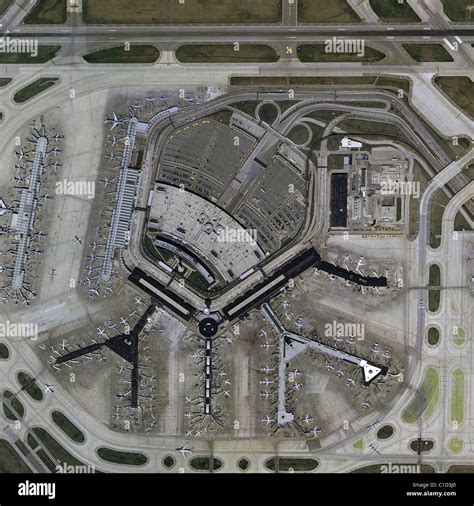
American Airlines’ legal strategy highlights the critical nature of the gate allocation battle. The lawsuit against the Chicago Department of Aviation aims to halt any redistribution until the carrier has a chance to rebuild its operations post-pandemic. By challenging the terms of the 2018 agreement, American is seeking not just a pause, but possibly a renegotiation of how gates are assigned in the future.
This litigation underscores a broader truth: airports are battlegrounds, and gates are the front lines. Without enough gates, airlines are effectively hamstrung in their ability to grow, innovate, or even maintain current operations.
The outcome of the court case could set a precedent for how other airports manage space in the post-pandemic era. If American wins, it might empower other carriers facing similar recoveries to challenge prior agreements under extraordinary circumstances.
Conclusion: A Defining Moment for American in Chicago
American Airlines’ campaign to reclaim prominence at O’Hare is a defining moment in the airline’s post-pandemic evolution. With a blend of route expansion, legal action, and strategic marketing, the carrier is making it clear that it does not intend to cede ground in Chicago without a fight.
The numbers suggest a tough road ahead. United’s operational advantage is significant, and the window for reversing the gate allocation trajectory is closing fast. However, with a revitalized flight schedule and growing public visibility, American is betting on a Chicago comeback that could reset the competitive balance at one of America’s most vital airports.
The next 12 months will be crucial. As the gate decision deadline approaches, all eyes will be on whether American’s gamble pays off — and whether Chicago remains a core pillar of its national and international ambitions.