Ryanair’s latest quarterly results quietly reveal a bold strategic wager hiding beneath familiar low-cost bravado. As inflation squeezes margins across Europe, the airline is placing disproportionate faith in one aircraft type to defend profitability while still nudging fares upward. That aircraft, the Boeing 737 MAX 8-200, has become the centerpiece of Ryanair’s inflation-resistance strategy, not through flashy onboard features but through relentlessly optimized economics.
For the three months ending December 2025, Ryanair carried 47.5 million passengers, a 6% year-on-year increase that underscores continuing demand resilience. Revenue climbed 9% to €3.21 billion, while average fares rose modestly to €44, just enough to stay ahead of Ireland’s inflation peak of 3.2%. The arithmetic looks simple. The reality is more fragile.
Margins remain under pressure from exceptional costs, regulatory fines, and delayed aircraft programs elsewhere in the fleet plan. Against that backdrop, Ryanair’s operational focus has narrowed to a single question: can one jet really offset the structural drag of inflation?
Why the 737 MAX 8-200 Became Ryanair’s Economic Anchor
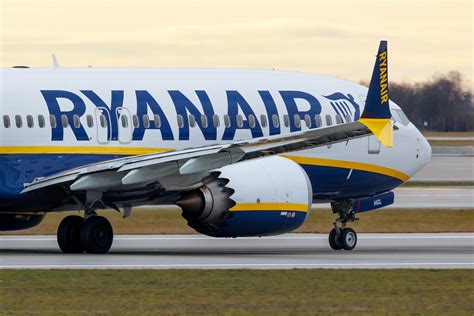
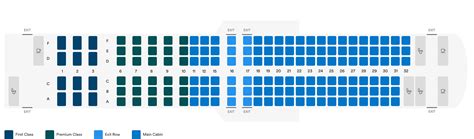
The 737 MAX 8-200, branded internally as the “Gamechanger,” is less about novelty than discipline. Externally similar to the older 737-800, it hides its advantage in density and efficiency. With 197 seats, eight more than its predecessor, every flight spreads fixed costs across more paying passengers without increasing crew numbers or airport charges in most cases.
Fuel burn per seat is materially lower, a crucial advantage as energy prices remain volatile. Maintenance intervals are longer, dispatch reliability is higher, and commonality with Ryanair’s existing Boeing infrastructure keeps training costs contained. These efficiencies compound quietly, flight after flight, quarter after quarter, forming a financial buffer that fare increases alone cannot provide.
By the end of 2025, Ryanair had 206 MAX 8-200s in service, with just four remaining deliveries expected by February. At an average fleet age of three years, these aircraft represent a sharp contrast to the airline’s overall average age of 15.5 years, effectively creating a two-speed fleet where the newest jets carry the economic burden of growth.
A Nearly Finished Fleet, and a Strategic Pause
The near-completion of MAX 8-200 deliveries brings both relief and risk. While Ryanair has largely locked in the cost advantages of this model, it also loses a temporary financial cushion: delivery delay compensation. Group CEO Michael O’Leary openly acknowledged that Q3 ancillary income dipped partly because compensation booked in the prior year did not recur.
Looking forward, the bigger uncertainty lies with the 737 MAX 10, of which Ryanair has 150 on order. Certification delays have pushed meaningful deliveries further into the future, leaving the airline temporarily reliant on squeezing more productivity from existing assets. In effect, the MAX 8-200 must now carry the weight of a fleet transition that was supposed to be shared.
Fare Growth Versus Inflation: A Narrow Corridor
Ryanair’s fare increase of 4% looks modest, almost polite, until placed against the backdrop of sharply reduced post-tax profit. After exceptional items, including €85 million set aside related to an Italian AGCM fine, net profit collapsed to €30 million, an 80% year-on-year drop.
This is where the Gamechanger earns its name. Without the MAX 8-200’s lower unit costs, Ryanair would face an uncomfortable choice between steeper fare hikes or margin erosion. Instead, the airline can raise fares just enough to outpace inflation while letting aircraft economics absorb the rest of the shock.
The WiFi Debate That Exposed Ryanair’s Cost Philosophy
Ryanair’s recent public spat with Elon Musk over Starlink WiFi inadvertently reinforced this philosophy. Management initially rejected the system over a reported 2% fuel penalty caused by added weight and drag. The response was blunt, public, and entirely on brand.
While the rhetoric grabbed headlines, the underlying logic was consistent. Any innovation that compromises fuel efficiency, even marginally, faces intense scrutiny. Later reports suggesting Ryanair remains open to Starlink indicate flexibility, but only if economics align. Passenger experience matters, but not at the expense of the per-seat cost advantage that defines the airline’s model.
Can One Jet Really Outrun Inflation?
The answer, at least for now, appears to be cautiously affirmative. The MAX 8-200 allows Ryanair to convert scale into insulation against inflation, transforming small efficiency gains into network-wide financial resilience. Yet this is not a permanent shield. Regulatory risks, airport capacity constraints, and delayed fleet expansion remain unresolved.
Ryanair’s gamble is elegantly simple and brutally demanding. As long as the Gamechanger keeps delivering lower costs per seat, the airline can keep fares competitive, profits viable, and growth intact. The moment that equation falters, inflation will no longer be something Ryanair merely outruns, but something it must finally confront head-on.