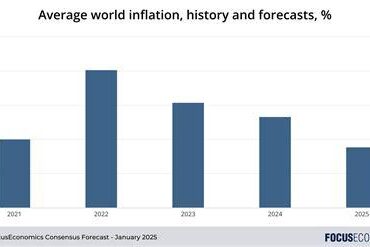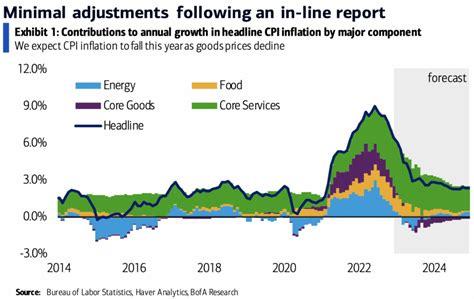
As we step further into 2025, the travel economy presents a mix of opportunity and complexity. While the overall Consumer Price Index (CPI) has risen by 2.4% year-over-year, the cost of travel has intriguingly fallen 2% from March 2024 to March 2025, according to NerdWallet’s Travel Price Index — a composite drawn from the Bureau of Labor Statistics’ CPI data. This marks a notable divergence from broader economic inflation trends, offering travelers some rare relief amidst persistent concerns about living costs.
This moderation in travel prices arrives at a crucial moment. As consumer expectations recalibrate in a post-pandemic economy, understanding the nuances of pricing in key travel categories — airfare, lodging, car rentals, dining, and entertainment — has never been more critical. In this report, we dissect these components, compare current prices to historical benchmarks, and offer strategic insights to help travelers and stakeholders navigate April 2025 with confidence.
Travel Prices vs. Pre-Pandemic Norms: How Far Have We Come?
Despite short-term declines, travel prices remain 13% higher than March 2019 levels, illustrating the lingering economic aftershock of pandemic-era disruptions. Yet, this increase is markedly below the 35.4% cumulative rise in overall CPI since March 2019. This contrast highlights how travel inflation has cooled more rapidly than inflation in sectors like housing, healthcare, and groceries, reshaping the cost landscape for domestic and international trips alike.
These disparities underscore the importance of historical context. While 2025 travelers may welcome year-over-year relief, long-term pricing trends show a sector still grappling with recovery dynamics, evolving service models, and supply-demand imbalances.
Airfare Trends: Short-Term Gains, Long-Term Efficiency
In March 2025, airfare prices declined by 3.6% month-over-month and fell 5.2% compared to March 2024, reinforcing a pattern of retreating costs in commercial aviation. Compared to a decade ago, airfare is down 12.1%, signaling profound structural changes in how airlines price and deliver service.
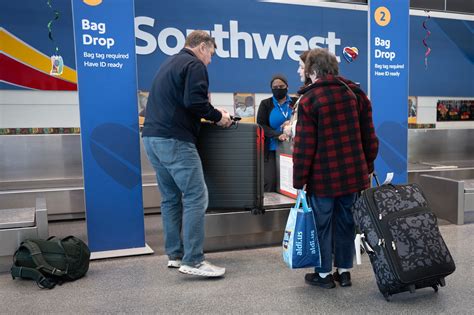
A key driver of this pricing evolution is the widespread unbundling of base fares, where the listed price often excludes essential amenities like checked bags or seat selection. Travelers face a rising tide of ancillary fees, especially as legacy carriers reconfigure pricing strategies to remain competitive. Notably, Southwest Airlines’ upcoming policy change — ending its free two-checked-bags perk on May 28, 2025 — will redefine its market positioning and likely influence industry pricing norms.
As such, while headline fares may suggest deflation, the real cost of air travel remains nuanced. Consumers must factor in hidden costs and service trade-offs as part of the total travel equation.
Hotel Rates: Rebalancing Amid Competitive Pressures
Hotel prices tell a slightly different story. While up 1.0% month-over-month in March 2025, they are down 3.7% year-over-year, reflecting an industry in flux. Compared to 2015, lodging costs have risen 19.1%, exceeding inflation in air travel but still lagging behind the broader CPI curve.
This relative decline is partially driven by growing competition from short-term rentals and boutique properties, as well as the proliferation of dynamic pricing algorithms that respond in real time to changes in occupancy, seasonality, and events. In an effort to fill rooms during shoulder seasons or in business-leaning markets, major hotel chains have had to temper rates.
However, travelers should be wary of resort fees, cleaning charges, and premium upgrades that often blur true nightly rates. The practice of quote fragmentation, now standard across many hotel booking platforms, parallels airfare’s unbundling strategy.
Car Rentals: Volatile but Declining YoY
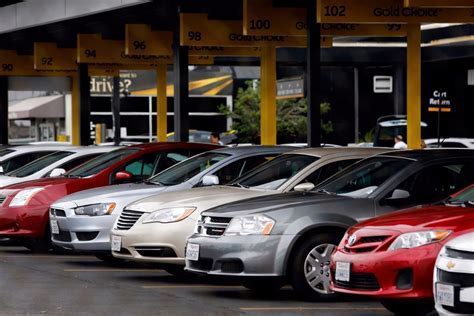
Few categories reflect the volatility of travel inflation like car rentals. After an extreme surge in 2021–2022 due to fleet shortages and chip supply issues, rental prices have begun to correct. In March 2025, prices rose 3.9% month-over-month, but they are down 8.7% compared to March 2024. Over the past decade, however, car rental costs are up 16.8% — a still-significant but manageable rise given historical distortions.
The current environment suggests rental companies are rebuilding fleet capacity and adopting more competitive pricing to regain market share lost to ride-hailing platforms and peer-to-peer car sharing services. That said, airport surcharges, fuel prepay options, and insurance add-ons remain high-margin upsells that can meaningfully increase the final bill.
Food Away From Home: The Quiet Inflation Driver
Dining out while traveling has become a major inflation vector. In March 2025, prices rose 0.4% month-over-month and are up 3.8% year-over-year, continuing a persistent upward climb. More strikingly, compared to March 2015, the category has surged by 48.9%, outpacing the general CPI and nearly doubling the rate of inflation seen in travel services.
This trend reflects both increased labor and ingredient costs, as well as a shift toward premium casual and experiential dining experiences that emphasize ambiance, locality, and customization. For travelers, food inflation now represents a growing portion of total trip spend — one that cannot be easily bypassed or optimized without sacrificing experience quality.
Entertainment Costs: Steady but Climbing
Leisure activities — including movies, concerts, and theaters — saw modest inflation in March 2025, with a 0.4% monthly increase and 2.2% year-over-year gain. Over the past decade, prices in this category have risen 37.5%, reflecting the cultural premium attached to live events and immersive entertainment, particularly post-COVID.
This inflation is shaped by venue modernization, artist revenue recovery, and tech-enabled production value, all of which increase base operating costs. While still more stable than food inflation, the entertainment sector continues to climb steadily, requiring travelers to budget accordingly if cultural experiences are a priority.
Smart Money Moves: Leveraging Travel Rewards
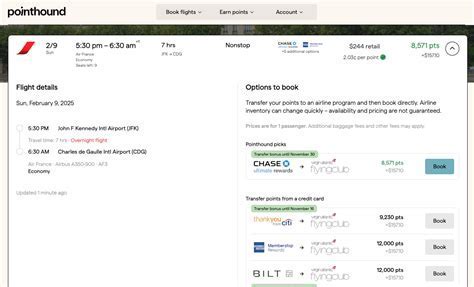
In an environment of fluctuating travel costs, strategic use of travel rewards credit cards offers a compelling hedge against inflation. Savvy travelers are increasingly turning to points and miles to offset rising expenses while also unlocking perks like trip insurance, lounge access, free checked bags, and foreign transaction fee waivers.
Top-performing travel cards in 2025 include:
- Chase Sapphire Reserve® — ideal for premium travelers seeking flexibility and top-tier perks.
- Bank of America® Premium Rewards® — a strong contender with high flat-rate returns.
- Citi Strata Premier℠ — known for broad travel protections and strong international value.
These cards not only reduce out-of-pocket expenses but also provide valuable purchase protections and concierge services that are increasingly necessary amid airline disruptions and hospitality inconsistencies.
Maximizing Rewards: Tailor to Your Travel Profile
Not all travel cards are created equal. Travelers should align card benefits with their specific needs. For instance:
- For flexibility and transfer partners, the Chase Sapphire Preferred® stands out.
- For no annual fee and solid multipliers, the Wells Fargo Autograph® is competitive.
- For flat-rate simplicity, the Capital One Venture Rewards Card offers 2x on all purchases.
- For premium lounge access and concierge perks, the Amex Platinum® remains a gold standard.
- For business travelers, the Ink Business Preferred® offers robust protections and rewards on travel, shipping, and advertising.
Matching your spending profile with the right product is the fastest route to travel inflation immunity in 2025.
Conclusion: April 2025 Brings Opportunity Amid Complexity
The April 2025 travel inflation report paints a cautiously optimistic picture. While core travel costs have declined on a year-over-year basis, legacy inflation from the past decade continues to shape long-term trends. Key categories like airfare and lodging are cooling, but food and entertainment remain stubbornly high, requiring savvy budgeting and rewards optimization.
Travelers who understand these pricing shifts and actively manage their expenses — through both timing and strategic financial tools — stand to gain the most in this evolving marketplace. As inflation in non-travel sectors continues to rise, 2025 may actually represent one of the best value years for travel in recent memory, particularly for those who know where to look and how to spend.