The issue of baggage fees has become a thorny subject for budget airlines, with passengers increasingly questioning the transparency of cabin bag pricing. UK-based publication Which? has recently uncovered a worrying trend among leading low-cost carriers such as easyJet, Ryanair, and Wizz Air. After conducting a thorough investigation that sampled over 1,500 flights, it was revealed that these airlines were charging passengers significantly higher prices than those advertised, sparking accusations of misleading practices in the industry. This article delves into the findings, the financial significance of baggage fees, and the potential legal ramifications surrounding these deceptive pricing strategies.
Uncovering the Truth Behind Airline Baggage Fees
Airline baggage fees have been a source of frustration for many travelers, and Which?‘s investigation into the matter has further highlighted the discrepancies between advertised and actual prices for cabin bags. The publication conducted an extensive sampling of over 1,500 flights across easyJet, Ryanair, and Wizz Air, only to find that these carriers were rarely offering the lowest advertised prices for baggage. Instead, they were charging considerably higher fees, with some passengers being forced to pay up to five times the advertised price.
easyJet: A Case of Unavailable Discounted Prices
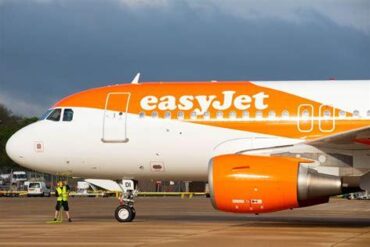
While easyJet markets cabin bag prices starting as low as £5.99, Which? found that such prices were virtually impossible to find during their investigation. The vast majority of flights sampled revealed prices closer to £30, far exceeding the airline’s advertised rate. Despite easyJet’s claim that over half of their luggage allowances were priced at £26 or less, Which? was unable to obtain details of any flight where luggage fees were below £10. The airline also refused to provide evidence for flights offering prices under £10 when requested. This contradiction raises serious concerns about the transparency of easyJet’s baggage pricing policies.
Wizz Air: A Wide Price Range with Few Discounts
Wizz Air’s baggage fees were also scrutinized, with the publication discovering an average luggage charge of €28.93, which was significantly higher than the advertised range of €10-€60. Wizz Air responded by stating that the data presented by Which? could be “potentially misleading.” This remark highlights the discrepancy between the actual fees paid by passengers and what is communicated in promotional materials, leading to confusion and frustration among travelers.
Ryanair: A Discrepancy Between Advertised and Actual Prices
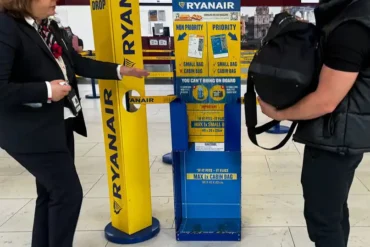
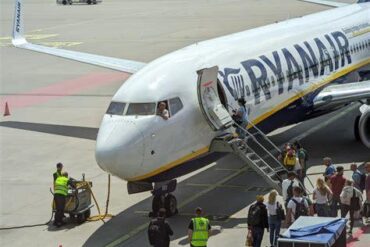
Ryanair, known for its aggressively low base fares, also came under scrutiny. The airline advertises a fee of £12 for cabin bags, but Which?‘s investigation found that this price was only available on two occasions out of the 600 flights sampled. The average price paid for a cabin bag on Ryanair was found to be £20.50, which is 70% higher than the advertised fee. In response, Ryanair questioned the validity of Which?‘s findings, arguing that the sample size of 600 flights was too small to be considered representative of their pricing structure.
The Financial Impact of Baggage Fees on Low-Cost Carriers
The practice of charging extra for luggage is not merely an inconvenience for passengers but is also a significant source of revenue for low-cost airlines. In fact, ancillary revenue, which includes income from baggage fees, often accounts for up to 40% of these airlines’ total earnings. This revenue model is crucial to the financial sustainability of budget carriers like Ryanair and easyJet, who rely on these additional charges to keep their base fares low.
These airlines are so heavily dependent on baggage fees that they have even been known to incentivize ground staff to spot passengers with oversized luggage. Reports have indicated that easyJet rewards its agents with a commission of £1.20 for every violation flagged, while Ryanair offers €2.50 per violation. This creates an environment where passengers are penalized for exceeding luggage limits, contributing further to the profitability of these airlines.
Legal Disputes and Regulatory Scrutiny
The contentious issue of baggage fees has not gone unnoticed by lawmakers. In 2024, the Spanish Government imposed a collective fine on four low-cost carriers, including easyJet, Ryanair, Volotea, and Vueling, for charging passengers to bring additional luggage onboard. This action reflects growing concern over the transparency of baggage pricing, as well as the broader issue of unfair passenger charges.
Moreover, the European Parliament has debated the issue, with discussions around introducing legislation that would allow all passengers, regardless of airline, to carry an additional piece of hand luggage without incurring extra charges. If ratified, this ruling would force budget airlines to revise their baggage fee structures, which could lead to higher base fares in exchange for more generous baggage allowances. However, such a change would be controversial, particularly for low-cost carriers that depend on these extra charges to keep their ticket prices competitive.
What Lies Ahead for Low-Cost Airlines and Their Baggage Policies?
The growing scrutiny over baggage pricing in the European airline industry suggests that change may be on the horizon. The increasing focus on transparency, along with the potential for legal reforms, could force airlines to adopt more straightforward and consistent pricing policies. This would ultimately benefit passengers, providing them with greater clarity and certainty when booking their flights.
However, this shift may come at a cost. If low-cost carriers are forced to reduce or eliminate certain ancillary charges, they will likely need to increase base fares to make up for lost revenue. While this may be seen as a positive development for some passengers, others may find themselves paying more for their flights overall.
In conclusion, while baggage fees have long been a hallmark of low-cost airlines, the ongoing investigations and legal challenges suggest that passengers are no longer willing to tolerate misleading practices. The industry will need to adapt, balancing the need for transparency with the financial realities of running a low-cost airline.