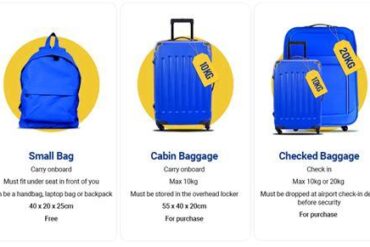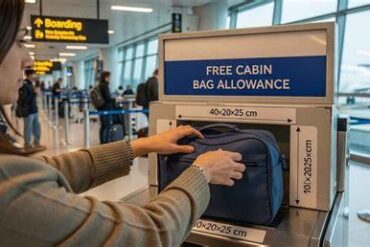
Ryanair has made a significant policy shift that will directly impact millions of travelers across Europe. Effective from July 3, 2025, the ultra-low-cost carrier has increased the permitted dimensions for its free “small personal bag” by 20%, offering more room for essentials without additional fees. The new size limit now measures 40 x 30 x 20 cm, replacing the previous 40 x 25 x 20 cm limit. This update reflects not just a technical tweak, but a subtle transformation in passenger comfort strategy for an airline synonymous with low fares and strict baggage rules.
This change translates into a rise from a 20-liter to a 24-liter capacity, offering 4 extra liters of space for travelers looking to pack more efficiently. The announcement aligns Ryanair with broader industry efforts to standardize carry-on bag dimensions across Europe, yet its chosen size remains competitive and passenger-friendly.
Why Ryanair’s Cabin Bag Expansion Is a Game-Changer
For years, Ryanair has built its brand around affordability—famously trimming down services and space wherever possible. Its strict cabin baggage policy, often a point of contention for travelers, has been a defining part of its business model. However, this 20% size increase signals a subtle but meaningful shift.
The decision doesn’t come in isolation. It’s part of a larger European trend aimed at harmonizing carry-on policies, which have long varied from one airline to another, creating confusion and frustration. The European Union Aviation Safety Agency (EASA) recently pushed for a minimum cabin bag size of 40 x 30 x 15 cm. Ryanair has exceeded this baseline by opting for the roomier 40 x 30 x 20 cm option, surpassing regulatory standards and even some rivals.
More Packing Power for the Price of Nothing
For passengers, the benefit is straightforward: more room without extra cost. Those traveling with laptops, cameras, toiletries, or additional layers will now enjoy added flexibility. Importantly, Ryanair confirmed that bags already conforming to the previous size limit will still qualify, making the transition seamless.
This move has special appeal to frequent flyers and minimalist travelers, who often opt for cabin baggage only. The extra 5 cm of depth—though it may seem minor—can accommodate bulkier items like shoes, compact jackets, or travel tech, reducing the need for check-in luggage or priority boarding upgrades.
Standardization Efforts Across Europe
The evolution in Ryanair’s cabin bag policy comes against the backdrop of a pan-European push to standardize luggage sizes. Historically, passengers flying across different airlines often had to juggle incompatible cabin bag rules. Now, with Ryanair adopting a more generous size limit that’s aligned with—but not limited to—the new EU baseline, the budget airline is taking a leadership role in fostering cross-border travel consistency.
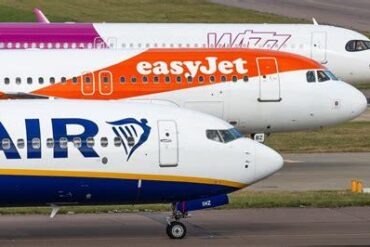
Unlike rivals such as Wizz Air, which offers the same 40 x 30 x 20 cm for its free carry-on, or easyJet, which still allows a slightly larger 45 x 36 x 20 cm, Ryanair’s decision reflects a careful balance between maintaining low-cost operations and responding to passenger needs.
This policy alignment may also suggest that Ryanair is preparing for a more harmonized European air travel market, potentially making it easier for passengers to fly multiple carriers without constantly adjusting their baggage.
No Need to Buy a New Bag
Ryanair’s announcement clarifies that travelers do not need to purchase new luggage. Bags previously designed for the 40 x 25 x 20 cm format still fall within the acceptable limits of the new size. This reassurance prevents unnecessary expenditures and waste, making it an environmentally and financially sound change for customers.
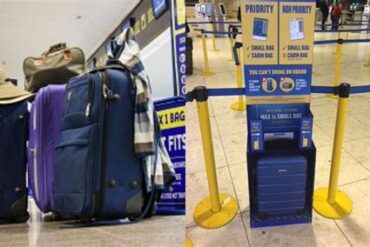
Additionally, the airline is updating all its airport bag sizers to reflect the new dimensions, ensuring smoother compliance and less ambiguity during boarding. This infrastructure upgrade reinforces Ryanair’s commitment to making the change seamless and customer-friendly.
Maximizing the 24-Litre Allowance
To truly benefit from this policy update, travelers should opt for a soft-sided personal item that easily conforms to the new 40 x 30 x 20 cm maximum. Packing cubes, compression bags, and roll-style clothing folds can help maximize available space while keeping contents organized. For those unsure whether their bag fits the bill, the updated airport sizers will offer peace of mind at check-in and boarding gates.
Seasoned travelers often know that an extra 4 liters of space can mean the difference between an uncomfortable juggle of loose items and a neatly packed cabin bag. This is especially true for tech-savvy passengers who carry a tablet, Bluetooth headphones, power banks, and chargers, all of which can now fit more comfortably.
Maintaining Efficiency While Enhancing Comfort
Ryanair’s operational model prioritizes rapid turnaround times and tightly controlled boarding processes. By expanding the small personal bag limit rather than altering the standard cabin baggage rules or adding new fare tiers, the airline has managed to enhance customer comfort without sacrificing efficiency.
This careful adjustment allows Ryanair to uphold its streamlined operations—a critical factor in maintaining its ultra-low-cost fares—while demonstrating that customer feedback and travel convenience remain part of its evolving strategy.
Ryanair vs. Competitors: A Tactical Play
When evaluating Ryanair’s baggage policy in the broader context of European low-cost carriers, the move becomes even more strategic. Here’s how it compares:
- Ryanair: 40 x 30 x 20 cm (24L)
- Wizz Air: 40 x 30 x 20 cm (24L)
- easyJet: 45 x 36 x 20 cm (32.4L)
Although easyJet’s dimensions are slightly more generous, Ryanair’s offering now matches Wizz Air and significantly exceeds the new EU minimum. Given Ryanair’s massive route network and pricing competitiveness, this policy change could offer a decisive edge for value-conscious travelers choosing between similar-priced tickets.
Moreover, this alignment may place pressure on rivals to reassess their cabin bag policies, potentially creating a more uniform standard across the industry.
The Budget Airline Experience, Upgraded
While many airlines announce baggage changes as part of revenue-generating schemes, Ryanair’s 20% cabin bag expansion bucks that trend. It delivers tangible value at no added cost, reinforcing its low-cost brand while addressing one of its most frequent criticisms: strict baggage limits.
This policy update, though small in terms of physical dimensions, is large in passenger impact. It improves packing convenience, reduces boarding anxiety, and adds flexibility for both short-haul and business travelers. In many ways, it symbolizes an evolution in how budget airlines can maintain efficiency while still responding to evolving traveler expectations.
Final Thoughts: A Modest Change with Outsized Benefits
Ryanair’s decision to expand its small personal bag allowance by 20% reflects more than a simple size adjustment—it’s a strategic modernization of its passenger experience. With no hidden costs, no required new purchases, and standardized airport support, the policy is a net win for consumers.
As more European carriers move toward baggage harmonization, Ryanair’s proactive shift positions it as a standard-setter rather than a laggard. This could pave the way for further enhancements down the road, perhaps even in areas like seating comfort or digital boarding efficiency.
In the immediate term, however, travelers can take comfort in knowing they’ll have more space, less stress, and the same low fares the airline is known for. That’s a rare trifecta in the world of budget air travel.