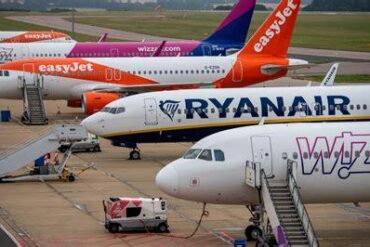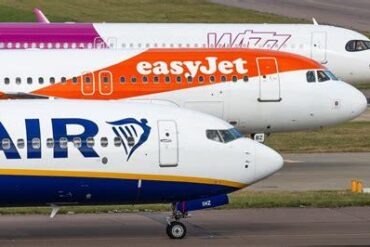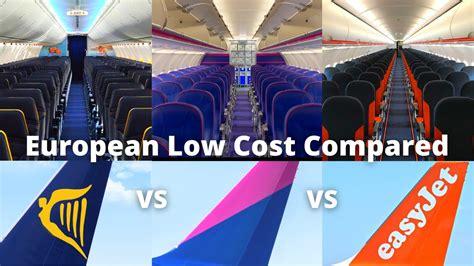
Europe’s low-cost airline sector has evolved into one of the most competitive and dynamic aviation markets in the world. Ryanair, easyJet, and Wizz Air dominate the short-haul landscape, each brandishing a distinct operating model, market focus, and fleet strategy. While all three champion affordability and high utilization, the size and composition of their fleets in mid-2025 reveal how divergent their ambitions have become. With Ryanair now flying over 600 aircraft, easyJet managing a streamlined all-Airbus fleet of 190 jets, and Wizz Air operating the youngest but smallest active lineup, the contrast is as much about growth philosophy as it is about aircraft numbers.
Ryanair Dominates With Over 600 Aircraft in Operation
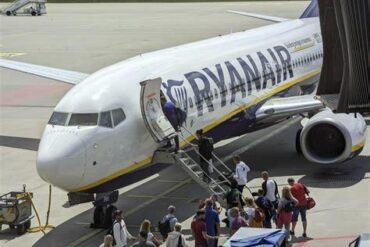
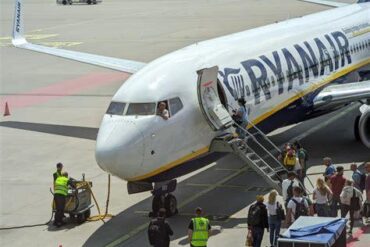
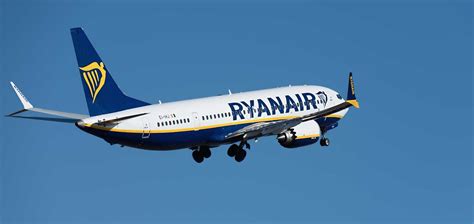
Founded in 1985, Ryanair has surged far beyond its humble beginnings with a single 15-seater turboprop. Today, it is Europe’s largest low-cost airline by fleet size, operating a formidable total of 603 aircraft across its group airlines. Central to Ryanair’s dominance is its unwavering commitment to a high-density, ultra-low-cost model, heavily reliant on Boeing 737 aircraft.
The group includes five carriers — Ryanair DAC, Ryanair UK, Malta Air, Buzz, and Lauda Europe — with each contributing to the group’s massive operational footprint. Ryanair DAC itself operates 324 aircraft, while subsidiaries Malta Air (179 aircraft), Buzz (74), and Lauda Europe (26, all Airbus A320s) provide strategic flexibility across European regions.
The backbone of the Ryanair fleet consists of:
- 395 Boeing 737-800s
- 181 Boeing 737 MAX 8-200s
- 1 Boeing 737-700
- 26 Airbus A320-200s (Lauda Europe)
Ryanair’s success hinges on fleet standardization, rapid turnaround times, and a network built on secondary airports, where cost savings can be reinvested into offering ultra-low fares. The addition of the 737 MAX 8-200 — optimized for fuel efficiency and higher seating capacity — underscores the airline’s long-term bet on cost per seat and sustainability.
easyJet Maintains Second Place With All-Airbus Strategy
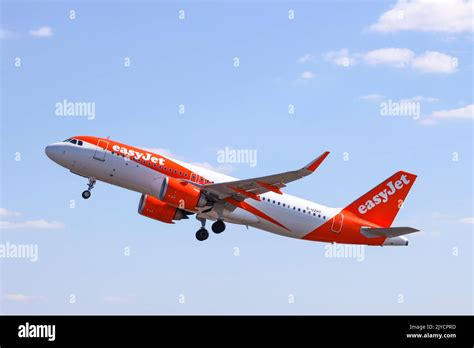
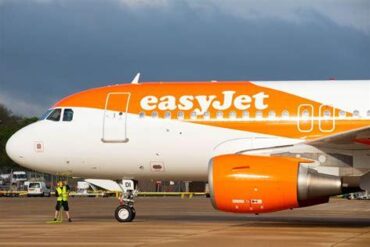
easyJet, launched in 1995, operates the second-largest fleet among Europe’s low-cost giants, totaling 190 aircraft as of mid-2025. Unlike Ryanair, easyJet exclusively flies Airbus aircraft — a transition that began in the early 2000s and has since matured into a hallmark of its operational model. The fleet comprises:
- 47 Airbus A319-100s
- 82 Airbus A320-200s
- 50 Airbus A320neos
- 11 Airbus A321neos
The airline initially operated Boeing 737s but pivoted decisively with a landmark Airbus order in 2002. Its acquisition of GB Airways in 2008 further entrenched its Airbus dependency. By operating a single-OEM fleet, easyJet benefits from simplified crew training, streamlined maintenance, and optimized asset utilization across its expansive European network.
Unlike Ryanair’s strategy of low-cost penetration into underserved airports, easyJet’s model emphasizes high-yield, slot-constrained airports like London Gatwick, Amsterdam Schiphol, and Geneva. This nuanced difference results in fewer aircraft overall but positions easyJet for higher revenue per passenger, particularly in business-heavy corridors. The airline is now focusing on replacing its aging A319s and A320ceos with more fuel-efficient neos, ensuring longevity and environmental compliance in the face of tightening emissions standards.
Wizz Air: Smallest But Youngest Fleet in the Market
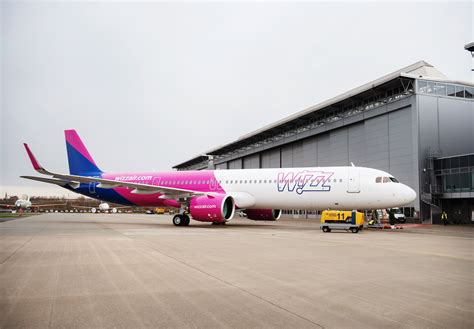
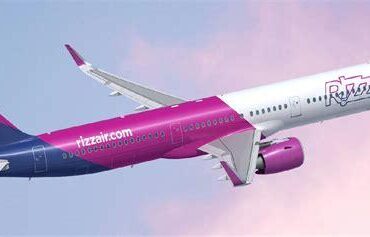
Budapest-based Wizz Air, although operating the smallest fleet of the three, is carving out a unique position in the low-cost market. With 138 aircraft across its European divisions — excluding Wizz Air Abu Dhabi — the airline stands out for maintaining one of the youngest fleets in Europe, with an average age well below its rivals.
As of mid-2025, the Wizz Air fleet includes:
- 20 Airbus A320-200s
- 3 Airbus A320neos
- 33 Airbus A321-200s
- 81 Airbus A321neos
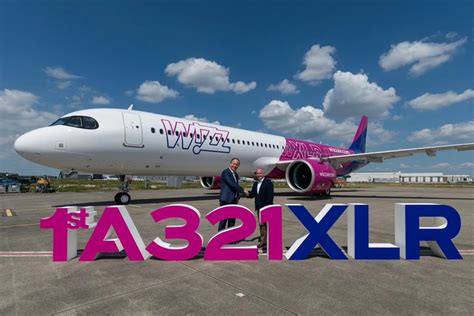
- 1 Airbus A321XLR (recently delivered but not yet fully operational in scheduling databases)
Wizz Air has historically thrived in Central and Eastern Europe, targeting low-cost underserved markets and offering direct connectivity from regional cities. Its low overheads, lean operating model, and fleet uniformity have been key advantages. However, current operations are facing turbulence due to Pratt & Whitney GTF engine issues, grounding around 30 aircraft and disrupting summer capacity planning.
Despite this setback, Wizz Air’s growth ambitions remain robust. With 288 aircraft on order — including a staggering 244 A321neos and 44 A321XLRs — the airline is poised for aggressive expansion, including deeper penetration into Western Europe and longer-haul European markets. The new A321XLRs are critical to that evolution, extending Wizz Air’s reach while maintaining operational efficiency.
Diverging Strategies Behind The Numbers
Though similar in branding and pricing, these carriers diverge sharply in their strategic focus. Ryanair remains the archetype of scale, spreading capacity widely to maintain market presence and cost leadership. Its decision to operate via five airline certificates allows regulatory flexibility and cost arbitrage across jurisdictions, enabling it to station crews and register aircraft where operational conditions are most favorable.
In contrast, easyJet concentrates aircraft at key hubs, maximizing slot value and optimizing yield per flight. Its network is built on primary airports, offering appeal to both leisure and business travelers. easyJet leverages fare bundles, assigned seating, and premium services to enhance ancillary revenue, setting it apart from Ryanair’s more spartan offering.
Wizz Air is now entering a phase of recalibration. After years of relentless expansion, the focus has shifted toward profitability, fleet reliability, and core network optimization. With support from Pratt & Whitney, Wizz is prioritizing the return of grounded jets and reassessing route economics, a pragmatic move that balances ambition with operational stability.
Fleet Growth Outlook: The Next Five Years
The fleet numbers of 2025 are just a waypoint. All three carriers are now laying the foundation for historic fleet expansions that will define European skies for the next decade.
- Ryanair has 179 aircraft pending delivery, including 150 Boeing 737 MAX 10s and 29 MAX 8-200s. These aircraft will enhance capacity on high-density routes while preserving the airline’s cost structure. Ryanair’s long-term fleet ambition exceeds 800 aircraft by the early 2030s.
- easyJet leads in order volume with 290 Airbus jets on the way — 125 A320neos and 165 A321neos. These will not only renew its fleet but also unlock further capacity without increasing airport slots.
- Wizz Air’s pending deliveries are nearly as large, with 288 aircraft in the pipeline. The heavy tilt toward A321neo and A321XLR variants will further solidify Wizz Air’s positioning as a long-haul capable, low-cost operator, especially from smaller cities with fewer direct options.
The shift toward new-generation aircraft is universal. Environmental pressure, regulatory requirements, and fuel costs are forcing all three airlines to modernize. These aircraft bring significant fuel savings, lower CO2 output, and more flexible seating configurations — crucial for sustainability and unit economics.
Shaping the Future of European Short-Haul Travel
Despite the fierce competition, the collective influence of Ryanair, easyJet, and Wizz Air on Europe’s aviation ecosystem is unmistakable. Together, they command a dominant share of short-haul capacity, offering direct links between more than 500 cities, and reshaping customer expectations around air travel pricing and accessibility.
Yet success no longer hinges solely on scale. The next phase of low-cost leadership will be defined by fleet agility, regulatory navigation, technological integration, and sustainability leadership. Each airline is adapting in its own way — Ryanair with scale and standardization, easyJet with premium-focused precision, and Wizz Air with youthful expansion and long-range capability.
By the end of this decade, Europe’s skies will not just be more crowded, but more efficient, connected, and strategically divided between these three titans of low-cost aviation.