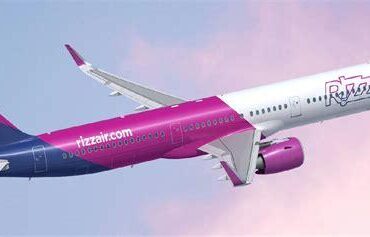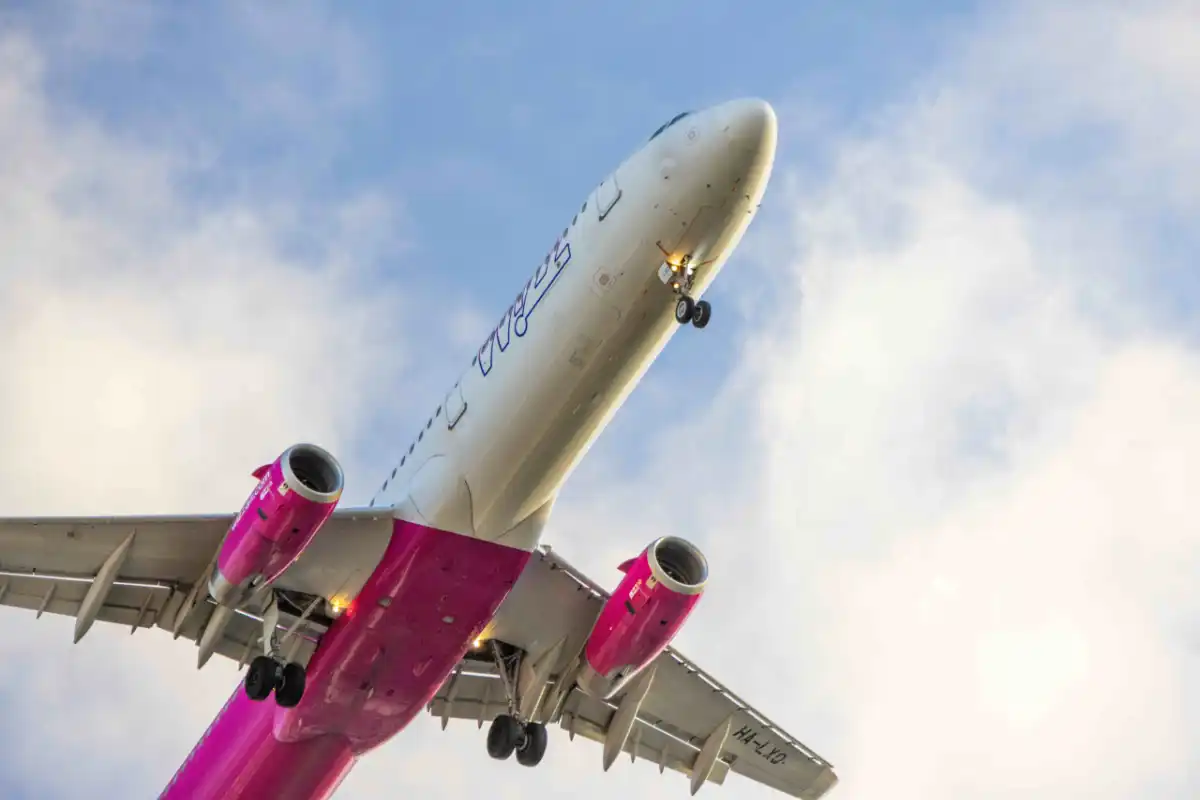
European budget aviation is entering a new era as Wizz Air becomes the first low-cost carrier in Europe to commit to offering Starlink inflight WiFi across its fleet. The announcement marks a significant shift in the airline industry’s approach to onboard connectivity, with Wizz Air positioning itself at the forefront of a technological transformation that could redefine passenger expectations for years to come.
The airline has described the move as the next step in the evolution of affordable and always-connected air travel, promising passengers access to high-speed internet throughout their journey. Unlike traditional inflight connectivity systems that often suffer from slow speeds, limited coverage, and expensive usage fees, Starlink’s satellite-powered network has earned a reputation for delivering broadband-like performance even at cruising altitude.
For an airline built around the ultra-low-cost model, the decision represents both an ambitious investment and a calculated risk. Yet it also highlights how connectivity is rapidly becoming an essential component of the modern travel experience rather than a luxury add-on.
Wizz Air Plans Large-Scale Starlink Rollout Across Its Fleet
Wizz Air has confirmed that it will begin introducing Starlink connectivity on aircraft from 2027, with the long-term objective of equipping every new-generation aircraft in its fleet with the technology. While the carrier has not provided a detailed implementation schedule, the scale of the project is substantial.
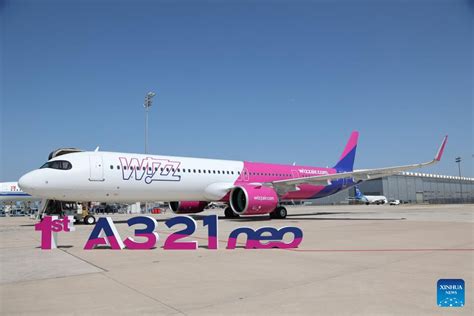
The airline currently operates approximately 265 Airbus A320-family aircraft, making it one of Europe’s largest low-cost carriers. A significant portion of the fleet consists of newer Airbus NEO variants, meaning roughly 200 aircraft could potentially require Starlink installation or integration over time.
Such a rollout is far from a simple upgrade. Aircraft must undergo hardware installation, certification procedures, and extensive testing before entering service with the new connectivity system. Despite these challenges, Wizz Air appears determined to establish a standardized passenger experience across its growing network.
Chief Commercial Officer Ian Malin emphasized that affordable travel should not require passengers to sacrifice digital connectivity, arguing that modern travelers increasingly expect uninterrupted access to communication, entertainment, and work-related tools regardless of where they are flying.
After years of focusing almost exclusively on fare competition, airlines are increasingly recognizing that passenger experience can be a powerful differentiator, especially in highly competitive European markets.
What Makes Starlink Different From Traditional Inflight WiFi?
Starlink’s aviation service is fundamentally different from older satellite internet solutions that have dominated commercial aviation for years. Traditional systems often rely on geostationary satellites positioned tens of thousands of kilometers above Earth, resulting in higher latency and slower performance.
Starlink uses a vast constellation of low-Earth-orbit satellites, dramatically reducing the distance data must travel. The result is faster speeds, lower latency, and a more responsive internet experience.
For passengers, this translates into capabilities that were previously difficult or impossible on commercial flights. Activities such as high-definition video streaming, cloud-based work, video conferencing, online gaming, and large file downloads become far more practical.
One of the most attractive aspects of Starlink’s aviation product is its gate-to-gate connectivity. Unlike many traditional inflight internet services that activate only after reaching a certain altitude, Starlink can remain available from departure gate to arrival gate. This means travelers can continue browsing, messaging, and working even while the aircraft is taxiing.
The system has already demonstrated impressive performance on airlines that have adopted the technology. Early passenger feedback consistently highlights fast connection speeds, reliable service, and minimal interruptions during flight.
The End of Airplane Mode? A New Passenger Experience
The arrival of Starlink on Wizz Air aircraft could significantly alter passenger behavior in the cabin. For decades, flying meant temporarily disconnecting from the digital world. While inflight WiFi gradually reduced that isolation, costs and performance limitations often discouraged widespread usage.
Starlink changes that equation.
Passengers increasingly expect seamless digital access in every aspect of daily life, and aviation has remained one of the last environments where connectivity gaps persist. With reliable broadband speeds available at 39,000 feet, travelers can remain productive throughout a flight, maintain contact with family and colleagues, stream content, or manage business operations without interruption.
This shift is particularly important for younger travelers and digital professionals who view internet access as a necessity rather than an optional service. As remote work and global mobility continue to grow, onboard connectivity is becoming a critical factor in airline choice.
Why Rival Budget Airlines Have Rejected Starlink
Perhaps the most intriguing aspect of Wizz Air’s announcement is that competing European low-cost carriers have largely avoided the technology.
Both Ryanair and easyJet have publicly expressed reservations about adopting Starlink. Industry discussions have frequently centered on cost concerns, particularly because Starlink’s commercial model limits airlines’ ability to charge passengers separately for access.
For traditional inflight internet providers, charging users directly has long been an important revenue source. Starlink’s approach challenges that model by encouraging airlines to provide connectivity as a complimentary service.
This creates a difficult financial equation for budget airlines, whose business models are built around tight margins and careful cost control. Installing equipment across hundreds of aircraft and covering ongoing service expenses represents a significant commitment.
Wizz Air’s decision therefore stands out as a bold departure from the conventional low-cost airline strategy.
The Financial Gamble Behind Wizz Air’s Connectivity Strategy
The economic implications of this initiative cannot be ignored. Wizz Air will incur substantial costs not only for hardware installation but also for maintaining service across a large and rapidly expanding fleet.
At first glance, offering free high-speed internet appears inconsistent with the airline’s low-cost philosophy. However, the carrier may be pursuing broader strategic benefits.
Connected passengers are more likely to interact with digital platforms during flight, potentially increasing purchases of ancillary products and services. From seat upgrades and onboard sales to destination experiences and travel partnerships, connectivity can create additional revenue opportunities beyond the ticket price.
The technology also delivers operational advantages. Flight crews can receive real-time updates, weather information, maintenance data, and operational communications more efficiently. Enhanced connectivity may contribute to improved decision-making, greater efficiency, and better customer service.
In this context, Starlink becomes more than a passenger amenity—it evolves into an operational tool capable of generating value throughout the airline.
A Defining Moment for European Low-Cost Aviation
Wizz Air’s Starlink announcement could prove to be one of the most consequential technology decisions made by a European low-cost airline in recent years. By embracing high-speed, gate-to-gate connectivity while competitors remain cautious, the carrier is betting that the future of budget travel includes more than simply offering the lowest fare.
If the strategy succeeds, passengers may soon view free, high-performance internet as a standard feature rather than a premium benefit. That would place pressure on rival airlines to follow suit, potentially accelerating the adoption of next-generation connectivity throughout Europe.
For now, Wizz Air stands alone as the continent’s first low-cost carrier to embrace Starlink at scale—a move that could reshape expectations for affordable air travel and usher in a new age of permanently connected flight.