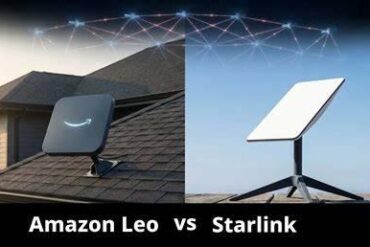
The race to dominate the skies with next-generation inflight internet has become one of aviation’s most aggressive technology wars. Airlines are no longer competing only on fares, loyalty programs, or premium cabins. Today, connectivity matters just as much as legroom, especially for travelers who expect uninterrupted streaming, gaming, video conferencing, and social media access at 35,000 feet. That reality placed Delta Air Lines directly in the center of a growing battle between Elon Musk’s Starlink and Amazon’s Project Kuiper.
When Delta decided to move forward with Amazon instead of Starlink, the reaction from Musk was immediate and public. The SpaceX chief criticized the airline on social media, predicting passengers would abandon the carrier over the decision. Yet behind the headlines and online sparring lies a much bigger story about technology ecosystems, airline economics, and the future of connected travel.
Delta’s refusal to embrace Starlink was not simply a rejection of Musk. It was a strategic calculation about scale, partnerships, passenger behavior, and long-term digital ambitions.
For Delta, inflight WiFi is no longer just an onboard convenience. It is becoming the backbone of the airline’s customer experience strategy.
Delta Chose Amazon Because The Deal Went Beyond Internet Access
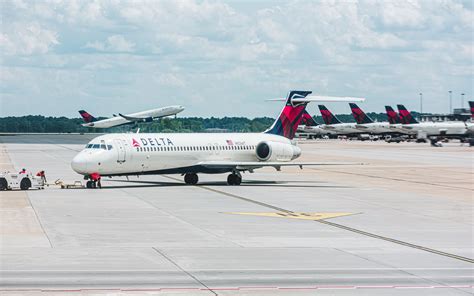
Delta CEO Ed Bastian made it clear that the airline’s decision was driven by more than raw satellite performance. According to Bastian, Amazon brought a broader ecosystem to the table than Starlink could offer.
That distinction matters enormously.
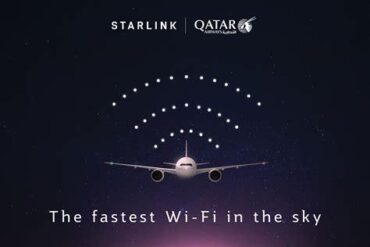
Starlink’s primary advantage is speed. SpaceX has rapidly built one of the world’s largest low-Earth orbit satellite constellations, giving airlines access to high-bandwidth internet capable of supporting streaming-quality connectivity across entire cabins. Several airlines have embraced the system precisely because it promises fast and free internet with relatively low latency.
But Delta was looking beyond bandwidth numbers.
Amazon’s Project Kuiper proposal reportedly included integration opportunities tied to Prime entertainment services, digital retailing capabilities, cloud infrastructure, and gaming technologies. For an airline increasingly focused on monetizing passenger engagement, that ecosystem approach carried major weight.
Delta sees the aircraft cabin as a digital environment rather than merely a transportation space. The airline wants passengers connected not just to the internet, but to entertainment platforms, shopping opportunities, loyalty products, and personalized experiences. Amazon’s infrastructure potentially allows Delta to integrate all of those services into one seamless system.
That broader vision appears to have outweighed Starlink’s stronger brand recognition.
Why Delta Believes Starlink Was Not The Complete Package
Elon Musk has successfully marketed Starlink as a revolutionary aviation product, and in many ways it is. Airlines adopting the technology often highlight dramatic improvements over older satellite systems that struggled with slow speeds and inconsistent coverage.
However, airline procurement decisions rarely revolve around hype alone.
Delta spent years evaluating inflight connectivity providers before making its choice. The airline even tested Starlink technology in 2022, signaling genuine interest in the SpaceX platform. That trial demonstrated Delta was not dismissing Musk’s company outright.
Instead, the airline appears to have concluded that Starlink excelled in one category while Amazon provided a more comprehensive strategic partnership.
The distinction between a technology vendor and a long-term ecosystem partner is critical in modern aviation. Airlines increasingly want suppliers capable of supporting data analytics, passenger personalization, e-commerce integration, and digital entertainment alongside connectivity itself.
Amazon’s deep experience in cloud computing and consumer ecosystems likely gave Delta confidence that Project Kuiper could evolve alongside the airline’s broader ambitions.
Another factor may have been negotiating leverage. Delta operates one of the world’s largest fleets, meaning any connectivity rollout represents a multibillion-dollar operational commitment over time. By partnering with Amazon during Project Kuiper’s growth phase, Delta may secure more influence over product customization and future development.
Project Kuiper Still Faces Enormous Pressure
Despite Delta’s endorsement, Amazon’s satellite network remains significantly smaller than Starlink.
SpaceX currently operates roughly 10,000 low-Earth orbit satellites, giving Starlink a massive global coverage advantage. By comparison, Project Kuiper remains in an earlier stage of deployment, with around 300 satellites planned in its initial constellation.
That disparity creates risk.
Starlink already has real-world operational experience across aviation, maritime, and residential markets. Amazon is still building much of its infrastructure. Delta’s decision therefore reflects a substantial bet on Amazon’s ability to scale quickly and reliably before installations begin in 2028.
The timeline itself is revealing.
Delta is not rushing deployment. The airline appears willing to wait several years for Amazon’s system to mature, suggesting confidence that the long-term ecosystem benefits outweigh the short-term advantages Starlink currently possesses.
For passengers, the immediate impact may be minimal. Delta already offers connectivity services across much of its fleet, and the airline’s future Amazon-powered platform will likely emerge gradually over multiple years.
Still, the symbolic importance of the decision is enormous because Delta represents one of the aviation industry’s most influential premium carriers.
Elon Musk’s Public Reactions May Be Hurting Starlink
Musk’s outspoken response to Delta’s rejection generated headlines, but it may also highlight a growing challenge for Starlink’s airline ambitions.
Several major carriers have recently rejected the technology, and in multiple cases the disagreements became unusually public.
Earlier in 2026, Ryanair dismissed Starlink over concerns involving weight and drag penalties tied to the system’s hardware installation. Ryanair CEO Michael O’Leary publicly criticized the technology, prompting Musk to fire back online. The exchange quickly escalated into insults and threats, including Musk joking about buying Ryanair and removing O’Leary from leadership.
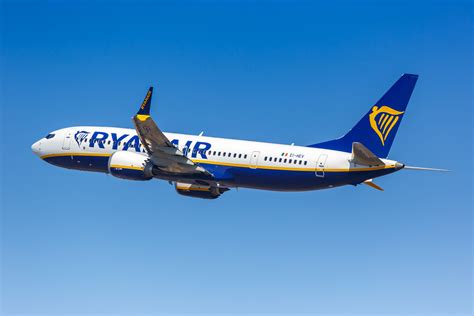
easyJet later followed Ryanair’s decision by avoiding the technology as well.
For some airline executives, those confrontational public exchanges may raise concerns. Aviation is an industry built heavily on long-term relationships, operational trust, and quiet negotiation. Public disputes can complicate supplier relationships, especially when airlines are making decade-long infrastructure commitments.
Delta’s leadership has remained notably calm throughout the controversy. Rather than escalating tensions, Ed Bastian focused on explaining the business rationale behind the Amazon partnership.
That contrast in tone may ultimately matter as much as the technical debate itself.
Delta’s Decision Signals A Bigger Shift In Aviation Technology
The fight between Amazon and Starlink reflects a broader transformation happening across commercial aviation. Airlines are increasingly viewing connectivity providers as strategic technology partners rather than utility vendors.
The future onboard experience may blend streaming, shopping, gaming, advertising, loyalty integration, artificial intelligence, and real-time personalization into one continuous digital ecosystem. In that world, internet access becomes only one piece of a much larger platform.
Delta believes Amazon is better positioned to support that future.
Whether the airline made the right call remains uncertain. Starlink still possesses enormous technological momentum, a proven satellite network, and strong support from many carriers worldwide. But Delta’s decision demonstrates that the inflight connectivity war is no longer solely about who delivers the fastest WiFi.
It is about who controls the digital passenger experience of the future.