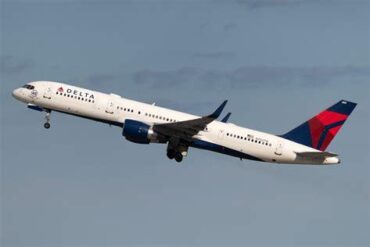
Delta Air Lines made a strategic decision that may define the next decade of in-flight connectivity competition. While United Airlines aggressively transformed its fleet with Starlink-powered internet, Delta walked away from the deal over one critical issue: branding control.
The dispute was not about technical capability. Starlink had already proven it could deliver fast, low-latency, gate-to-gate internet at a level passengers immediately recognized. Instead, the conflict centered around visibility. Delta reportedly wanted travelers to access the service through its own Delta Sync ecosystem rather than through a Starlink-branded portal. SpaceX, meanwhile, viewed Starlink itself as a premium consumer-facing product that deserved center stage.
That disagreement ultimately collapsed negotiations, pushing Delta toward Amazon’s competing low-Earth-orbit satellite network solution. The problem for Delta is timing. Amazon’s aviation connectivity rollout is not expected to begin on Delta aircraft until 2028 — years after United plans to complete most of its Starlink deployment.
In the increasingly competitive battle for premium travelers, that gap could become a major disadvantage.
Delta Prioritized Delta Sync Over Starlink Visibility
For years, airlines treated onboard Wi-Fi as an optional extra. Slow speeds, unreliable coverage, and expensive pricing meant passengers rarely chose airlines based on connectivity alone. That environment changed dramatically when Starlink entered aviation.
Unlike traditional geostationary satellite systems, Starlink’s low-Earth-orbit network dramatically reduced latency while increasing bandwidth. The result felt closer to home broadband than airplane Wi-Fi. Video conferencing, live streaming, gaming, and cloud-based work suddenly became realistic at 35,000 feet.
Delta recognized the importance of next-generation connectivity early. However, according to reports from aviation industry insiders and SpaceX investors, the airline insisted that passengers remain inside Delta’s branded digital ecosystem rather than interacting directly with the Starlink platform.
That distinction mattered enormously to both companies.
Delta has spent years building Delta Sync into a central part of its customer experience strategy. The airline wants passengers using its app, engaging with its loyalty program, consuming personalized offers, and remaining within Delta-controlled digital channels throughout the journey. From a corporate perspective, surrendering visibility to an external technology brand risked weakening that ecosystem.
Starlink approached the issue from the opposite angle. The brand itself had already become synonymous with high-speed aviation internet. For SpaceX, hiding the Starlink identity behind airline branding reduced the value of its growing reputation among consumers.
The disagreement reportedly became impossible to resolve.
United Turned Starlink Into A Competitive Weapon
While Delta hesitated, United Airlines moved aggressively.
United understood something increasingly important about modern airline competition: connectivity is no longer merely an amenity. For business travelers especially, reliable internet has become a core expectation. A passenger who can participate in live Zoom meetings, transfer large files, and stream media seamlessly during a flight experiences a fundamentally different product.
United capitalized on that shift faster than almost any major carrier.
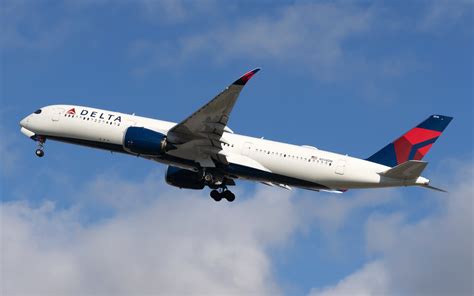
The airline operated its first Starlink-equipped mainline flight in October 2025 and rapidly accelerated installations across both regional and mainline fleets. By early 2026, more than 300 United aircraft had already received Starlink hardware, with plans targeting 800 aircraft by year’s end.
That pace matters because airline retrofits historically move slowly. Cabin upgrades often take years to scale fleet-wide due to certification requirements, aircraft downtime, and logistical bottlenecks. United bypassed much of that hesitation and treated Starlink deployment like a strategic arms race.
Passengers noticed immediately.
Travelers increasingly post speed tests, streaming videos, and gaming sessions from onboard Starlink-equipped flights across social media platforms. The technology itself became part of United’s marketing narrative. In effect, Starlink evolved into both infrastructure and advertising simultaneously.
That consumer recognition is precisely why the branding dispute with Delta became so consequential.
Why Branding Became More Important Than Technology
At first glance, rejecting Starlink over branding may appear shortsighted. Yet from Delta’s perspective, the decision aligns with a broader corporate philosophy.
Delta positions itself as a premium airline built around customer experience ownership. Everything from its lounges to its mobile app strategy revolves around maintaining tight control over the passenger relationship. Allowing another brand to dominate a major touchpoint inside the cabin potentially weakens that identity.
The airline likely feared a future where travelers praised “Starlink Wi-Fi” instead of “Delta Wi-Fi.”
That concern is not trivial. Technology companies increasingly overshadow traditional service providers in customer perception. Consumers frequently remember Apple CarPlay more than the vehicle itself, Netflix more than the television manufacturer, and Amazon Alexa more than the smart speaker brand.
Delta clearly wanted to avoid becoming merely the transportation layer for someone else’s technology ecosystem.
Still, airline passengers rarely care about corporate branding strategy when their onboard internet barely works. They care about speed, reliability, and consistency. That creates risk for Delta if competitors continue widening the connectivity gap before Amazon’s solution arrives.
Amazon LEO Gives Delta Operational Advantages
Despite the criticism surrounding the delayed rollout, Delta’s partnership with Amazon is not without strategic benefits.
The airline already relies heavily on Amazon Web Services infrastructure, making deeper integration with Amazon’s aviation connectivity platform relatively seamless. Operationally, the partnership could create long-term efficiencies across passenger data systems, inflight entertainment, personalization tools, and cloud services.
Amazon also reportedly offers hardware advantages that appealed strongly to Delta.
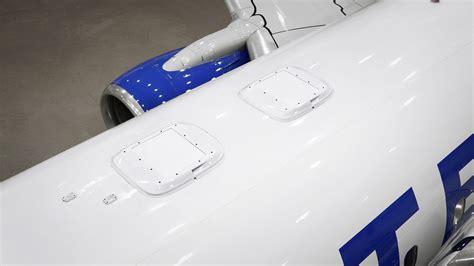
Its aviation antenna system is designed to be smaller, lighter, and more aerodynamic than some competing solutions. Reduced drag translates directly into fuel savings — a massive consideration for airlines operating thousands of flights daily. Even marginal efficiency gains can save millions annually.
Installation speed also became a major selling point. Reports indicate Amazon’s antenna can be retrofitted in as little as one day per aircraft. Faster installations mean less aircraft downtime and lower operational disruption during rollout phases.
For a carrier the size of Delta, those logistical efficiencies matter enormously.
There is also the entertainment ecosystem angle. Amazon can integrate Prime Video content, Amazon Studios programming, and broader cloud-connected services directly into Delta’s onboard experience. That deeper integration could eventually create a highly personalized cabin environment tied closely to passenger profiles and loyalty accounts.
In other words, Delta sacrificed immediate speed-to-market advantages in exchange for tighter ecosystem control and potentially smoother long-term integration.
The Risk Of Arriving Too Late
The challenge is that airline technology adoption shapes customer expectations quickly.
By the time Delta begins introducing Amazon LEO connectivity in 2028, United could already have years of operational maturity with Starlink. Frequent travelers may become accustomed to uninterrupted streaming, stable video calls, and fast uploads as standard features rather than premium perks.
Once passengers adjust to that level of connectivity, downgrading becomes noticeable.
Corporate travel departments may also begin factoring onboard internet performance into airline preferences. For executives, consultants, financial professionals, and remote workers, productivity during flights increasingly holds measurable value.
That creates a competitive danger for Delta. Even if Amazon’s system eventually matches or surpasses Starlink technically, United may already own the perception battle.
Perception often matters more than specifications.
The Future Of Airline Competition Is Digital
The Delta-Starlink breakup reveals a much larger shift happening inside aviation.
Airlines are no longer competing only on schedules, seats, or loyalty programs. They are increasingly competing as digital platforms. Connectivity, cloud ecosystems, streaming partnerships, passenger data integration, and branded technology experiences are becoming central components of airline identity.
United chose speed and visibility by embracing Starlink publicly.
Delta chose ecosystem ownership and long-term integration through Amazon.
The winner may ultimately depend on what passengers value more: the fastest available technology today or the most seamless digital experience tomorrow.