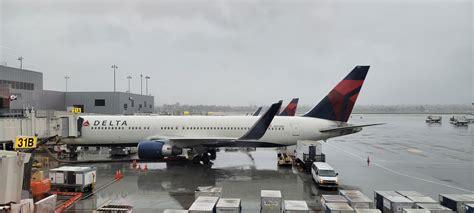
Delta Air Lines, long celebrated as “The On-Time Machine,” is facing a sobering shift in its once-unquestioned dominance in operational reliability. Recent data from credible aviation sources now indicates that United Airlines has overtaken Delta in a crucial reliability metric — the flight cancelation rate — marking a potential turning point in the competitive dynamics among the major U.S. carriers.
Delta’s Former Reign: Reliability as a Brand Pillar
Under former CEO Richard Anderson, Delta carved a niche as a beacon of punctuality and operational excellence. This wasn’t just a branding exercise. It was a rigorously engineered strategy backed by substantial investments in systems, talent, and culture. The highlight? 243 consecutive days in 2018 without a single mainline flight cancelation — a staggering feat that solidified Delta’s industry-leading status.
But that era may be fading. Where Delta once delayed flights for hours to avoid cancelations (a tactic not uncommon in the industry but one that still upheld their record), today’s numbers tell a different story.
The New Data: United Surpasses Delta
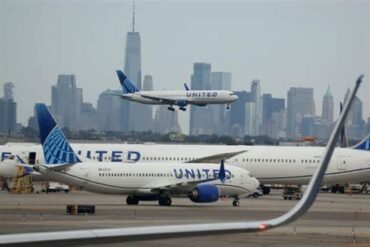
Data from the reliable aviation insider JonNYC revealed that Delta’s year-to-date cancelation rate reached 1.22%, narrowly eclipsed by United’s lower 1.15%. The difference may seem marginal, but in an industry where every decimal point equates to thousands of affected passengers, it’s significant.
Zooming in on the New York City area airports, Delta’s struggles become more glaring. Delta canceled a whopping 5.08% of its total seat capacity, while United limited its seat cancelations to just 1.55%. Shockingly, Delta even performed worse than JetBlue, which logged a 4.10% cancelation rate. For an airline once viewed as untouchable in reliability, being outperformed by JetBlue is an unthinkable slide.
Operational Erosion: What Went Wrong at Delta?
Several factors are coalescing to erode Delta’s historical edge in punctuality:
1. Leadership Transition and Cultural Drift
While Richard Anderson was a behind-the-scenes architect of operational precision, current CEO Ed Bastian has focused more on lifestyle branding and celebrity endorsements — notably hiring Tom Brady as a “performance coach.” The pivot from operations to optics may signal a loss of focus on Delta’s traditional core competencies.
2. Post-Pandemic Workforce Challenges
Like many airlines, Delta faced massive talent attrition during the COVID-19 pandemic. As experienced staff exited, the replacements were younger, less seasoned, and slower to adopt legacy practices that upheld Delta’s excellence. This shift in workforce maturity has impacted everything from gate turnaround times to contingency management.
3. Technical and Scheduling Failures
Delta’s pilot scheduling software has come under scrutiny, especially after the carrier struggled more than its rivals to recover from a severe Northeast storm. These technical glitches have created bottlenecks, leaving planes grounded and flights canceled — an unacceptable outcome in the eyes of time-sensitive business travelers.
4. External Factors: The Rising Tide Lifts All Jets
To United’s credit, their rise isn’t solely because of Delta’s stumble. United has made significant investments in digital operations platforms, employee training, and airport infrastructure. Their turnaround is real. As Delta’s operational edge dulled, United has sharpened its own tools, leading to a rare reversal in brand perception.
From Dominance to Parity: A Decade of Closing Gaps
In the early 2010s, Delta’s lead in operational metrics over United was so wide it bordered on monopolistic. Completion factors, on-time percentages, and customer satisfaction numbers put Delta in a league of its own. But over the years, United steadily closed the reliability gap, culminating in what may now be a passing of the baton.
The broader question isn’t just whether Delta has lost its reliability crown — it’s whether Delta’s brand can sustain itself without it. For years, elite travelers and corporate contracts hinged on Delta’s promise of punctuality. If that promise falters, so too might its premium pricing model.

What It Means for Travelers
Delta’s slip has tangible consequences for everyday passengers. A higher cancelation rate increases the odds of:
- Unexpected layovers or rebookings
- Missed business meetings or personal events
- Greater uncertainty when traveling through congested hubs like JFK or LGA
For travel managers, this shift is a data point to reconsider preferred carrier agreements. For frequent flyers, it might mean redistributing loyalty across carriers — especially if United continues to uphold and improve on its reliability metrics.
Looking Ahead: Will the Title Return?
Delta is not doomed. It remains one of the world’s most respected airlines, with a robust international network, a strong frequent flyer program, and an enviable safety record. But reclaiming the “On-Time Machine” mantle will require more than nostalgia. It demands a recommitment to:
- Operational transparency
- Technology upgrades in crew and aircraft scheduling
- Leadership that prioritizes internal excellence over external glamour
Industry insiders await full-year statistics from the Department of Transportation for a more definitive picture. Yet the early signals are unmissable: Delta no longer dominates, and United is rising.
Final Thoughts: A Wake-Up Call for Delta
The aviation landscape is unforgiving. Brands are built over decades but can tarnish in a matter of quarters. Delta’s recent performance is not catastrophic — but it is symptomatic of a brand that may be losing its operational soul.
United, once trailing by miles, now stands shoulder-to-shoulder with Delta, and in some crucial metrics, steps ahead. The battle for operational supremacy in U.S. aviation has a new narrative, and it’s no longer a one-airline story.