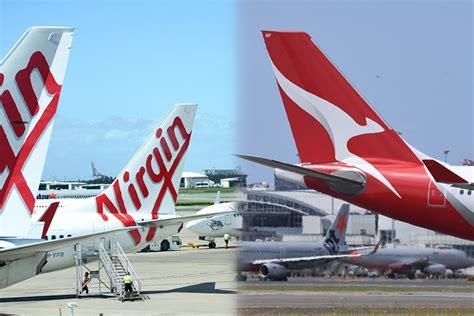
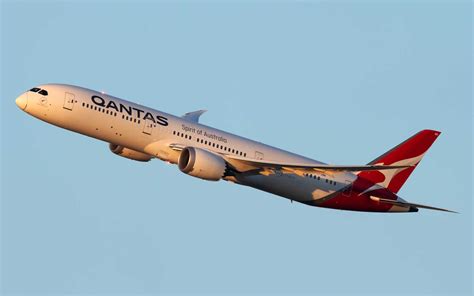
The global airline industry just received a wake-up call, and Qantas Airways is leading the charge. In the recently released 2025 Skytrax World Airline Rankings, Qantas proudly joined aviation heavyweights such as British Airways, Lufthansa, Japan Airlines (JAL), All Nippon Airways (ANA), Cathay Pacific, and Air France, reinforcing its place among the world’s elite carriers. But conspicuously missing from the top spots are prominent U.S. airlines like United, Southwest, Delta, and Frontier, igniting discussions about service gaps and shifting industry standards.
The rankings, often referred to as the ‘Oscars of the Airline Industry,’ are compiled based on comprehensive passenger feedback from more than 100 nationalities, covering over 325 airlines. The evaluation period, which spanned from September 2024 to May 2025, assessed critical factors such as cabin comfort, in-flight entertainment, service quality, and overall passenger satisfaction. The results underline a stark reality for the aviation sector: while American airlines dominate in size and fleet volume, they are faltering in delivering memorable travel experiences.
Qantas Soars as Global Standards Shift
Qantas’ inclusion among the world’s top carriers is no accident. The Australian flag carrier has consistently invested in fleet modernization, enhanced customer service, and superior onboard offerings. Its latest success in the Skytrax rankings cements its reputation for reliability, comfort, and world-class hospitality. Travelers have taken note, with many citing Qantas’ spacious economy cabins, refined business class, and attentive crews as key reasons for loyalty.
Joining Qantas at the summit are established European and Asian names. British Airways, despite challenges from Brexit and pandemic-era turbulence, maintains its standing through premium service offerings and extensive global connectivity. Similarly, Lufthansa continues to lead Europe with its strong operational efficiency and commitment to passenger comfort, especially on long-haul routes.
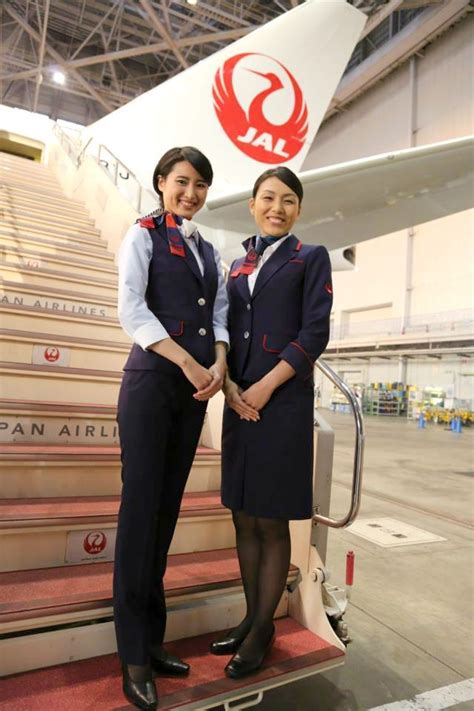
In Asia, Japan Airlines, ANA, and Cathay Pacific are redefining excellence in air travel. Their focus on precision, cultural hospitality, and continuous innovation has set benchmarks that many Western carriers struggle to match. Air France, revitalized by fleet upgrades and improved service consistency, rounds out the elite group, showcasing Europe’s renewed competitive spirit in aviation.
Where Are United, Southwest, Delta, and Frontier?
While global airlines scale new heights, major U.S. carriers have been notably absent from the top tier. The highest-ranking American airline, Delta, only managed to secure 22nd place, falling short of the global elite. United Airlines, despite its vast network and significant market share, slipped to 51st place, while JetBlue followed closely behind at 52nd. Southwest Airlines, known for its low-cost model, and Frontier Airlines, which caters to budget-conscious travelers, failed to make a significant impact on the global rankings altogether.
This underperformance is more than just numbers. It reflects growing dissatisfaction among passengers over cramped seating, inconsistent service, excessive ancillary fees, and operational unpredictability. Many U.S. airlines have prioritized cost-cutting and fleet expansion over investing in the passenger experience, a strategy now under scrutiny as global competitors raise the bar.
Global Leaders Set a New Standard
At the summit of this year’s Skytrax rankings is Qatar Airways, securing its ninth title as the world’s best airline since 1999. Its success stems from exceptional onboard services, advanced aircraft, and meticulously trained crew members. Hot on its heels are Singapore Airlines, Cathay Pacific, and Emirates, airlines synonymous with luxury, efficiency, and technological innovation.
European carriers like Turkish Airlines, Swiss International Air Lines, and Air France have also reinforced their positions by focusing on regional excellence, culinary enhancements, and customer care initiatives. These airlines demonstrate that size alone does not define excellence—strategic investment in passenger well-being does.
The Disconnect: U.S. Airlines and Passenger Expectations
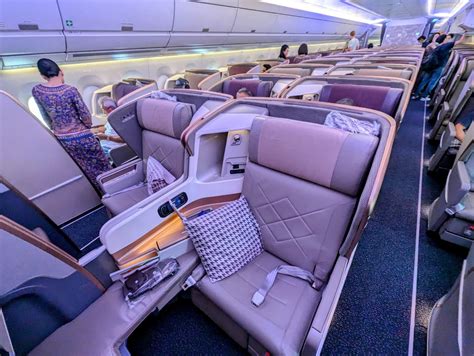
The Skytrax results expose a widening gap between the operational scale of U.S. airlines and their ability to meet rising passenger expectations. Despite having some of the largest fleets and generating record revenues, U.S. carriers are grappling with negative perceptions around customer service, seat comfort, and overall value.
Recent years have seen U.S. airlines plagued by flight disruptions, staff shortages, and declining cabin standards, fueling frustration among travelers. Surveys reveal a common sentiment: while American carriers may offer competitive fares and expansive route maps, they often fall short where it matters most—providing a seamless, comfortable, and respectful travel experience.
Notably, Air Canada claimed the title of Best Airline in North America, a significant achievement that underscores how even regional neighbors are outpacing U.S. carriers in customer satisfaction metrics.
Pockets of Success for U.S. Airlines
To be fair, certain segments showcase promising results for American airlines. In categories like in-flight entertainment, brands such as Delta, United, American Airlines, and JetBlue secured spots within the global top 20, reflecting ongoing investment in digital upgrades and onboard connectivity.
Similarly, in the regional airline space, JetBlue ranked sixth, and Alaska Airlines seventh, recognized for their friendly cabin crews and quality of service on domestic routes. However, these niche victories do little to alter the overall perception of declining international prestige among U.S. carriers.
What the Rankings Mean for Travelers
For millions of American travelers preparing for summer vacations, the 2025 Skytrax rankings carry critical implications. With global airlines offering superior comfort, service, and reliability, more U.S. passengers are looking beyond domestic options for their long-haul journeys.
The rankings highlight that travelers are no longer driven by price alone. Instead, there is growing demand for respectful treatment, comfortable cabins, and consistent service. Airlines that neglect these aspects risk losing customer loyalty and international competitiveness.
The Path Forward for U.S. Airlines
Industry analysts argue that for American carriers to regain global stature, a fundamental shift in priorities is necessary. Short-term profits must give way to long-term investment in areas such as:
- Comprehensive crew training focused on hospitality.
- Enhanced cabin configurations prioritizing passenger comfort.
- Transparent pricing models with reduced hidden fees.
- Technological integration that simplifies travel processes.
- Environmental sustainability initiatives to meet global standards.
Furthermore, a focus on consistency—delivering reliable, positive experiences across all ticket classes—is key to rebuilding trust and closing the satisfaction gap.
Looking to 2026: Can U.S. Airlines Rise?
The next 12 months will be pivotal. As international carriers push innovation and elevate standards, U.S. airlines face mounting pressure to evolve or risk further reputational decline. Delta’s modest showing at 22nd place offers a foundation to build upon, but the path to matching the likes of Singapore Airlines or Emirates requires bold action and a renewed commitment to service excellence.
Travelers are making their voices heard, and their message is clear: airlines that respect time, comfort, and dignity will win loyalty in an increasingly competitive market. Whether U.S. carriers heed this call remains to be seen.
Final Thoughts: A Global Wake-Up Call
The 2025 Skytrax rankings serve as more than an annual scoreboard—they are a mirror reflecting evolving traveler expectations and a rapidly transforming aviation landscape. For airlines like Qantas, British Airways, Lufthansa, and their Asian counterparts, the results validate strategic efforts to prioritize the customer journey.
For U.S. carriers, the absence from the top tier is a sobering reminder that dominance in fleet size and market share is no substitute for passenger satisfaction. As global competition intensifies, only those willing to adapt will secure their place among the best.
American travelers deserve better—and the skies are watching.