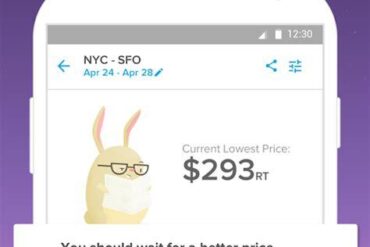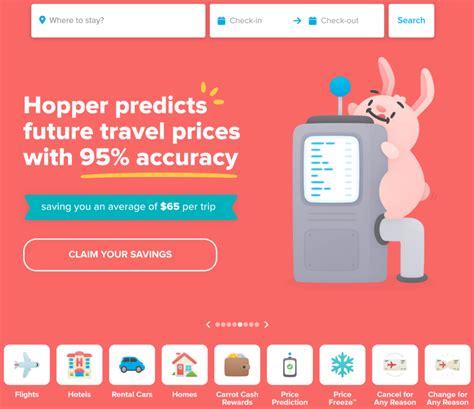
Online travel agencies have revolutionized how we book flights, hotels, and vacation packages. Among these platforms, Hopper has gained significant traction for its sleek mobile interface, predictive pricing algorithms, and the promise of low-cost travel deals. However, a closer examination reveals that Hopper’s hidden fees have sparked controversy and distrust among savvy travelers.
In this detailed investigation, we analyze the true cost of using Hopper, exposing how the app’s pricing model often misleads users with bait-and-switch tactics and unexpected fees.
The Illusion of Low Fares: Why Hopper’s Deals Aren’t Always What They Seem
At first glance, Hopper appears to offer some of the lowest airfare deals on the market. One example, widely discussed on the Tripadvisor Air Travel Forum, involves a user attempting to book a round-trip flight to Japan through Hopper for $433—a remarkable deal given the departure city. However, upon digging deeper, the same flight on the Air Canada website was listed at $581, already suggesting something was amiss.
What truly raised red flags was the additional “Carrier Charge” that appeared at checkout—an eye-watering $700 fee, more than doubling the original fare. This unexpected surcharge is not clearly disclosed in Hopper’s promotional fare previews, misleading travelers into thinking they’ve found a bargain.
This pricing strategy closely resembles bait pricing, where an attractively low fare is used to lure users into starting the booking process, only to be met with substantial hidden charges at the final stage. This lack of transparency directly contradicts industry norms followed by most reputable airlines and travel agencies.
Understanding “Carrier Charges”: Are They Legitimate or Just Smoke and Mirrors?
One of the central issues is the ambiguous nature of Hopper’s so-called Carrier Charges. In traditional airline fare structures, the base fare is typically broken down into:
- Base airfare
- Taxes and government-imposed fees
- Airline-imposed surcharges (often labeled as fuel surcharges or carrier-imposed fees)
On direct airline websites such as Air Canada, these charges are usually clearly itemized and included within the displayed fare. For instance, Air Canada may show:
- Airfare: $1883.60
- Taxes, fees, and charges: $75.78
- Total fare: $1959.38
However, Hopper appears to segment these charges inconsistently, introducing additional fees late in the booking process, which do not reflect a standard or explainable surcharge structure. Many users suspect that these inflated “carrier fees” are, in fact, a markup imposed by Hopper itself, disguised to look like a necessary airline fee.
The Risk of Booking Through Third-Party Aggregators
While third-party platforms like Hopper can offer convenience and sometimes cheaper fares, they introduce serious risks:
- Lack of control over booking: Airlines may not allow changes, upgrades, or refunds for tickets booked through OTAs (Online Travel Agencies).
- Difficult customer support: Many users report long wait times or unhelpful automated support through Hopper.
- Hidden service charges: As this article outlines, unexpected fees are common, especially during checkout.

Frequent flyers often recommend booking directly with the airline, even if the fare is marginally higher. The benefits of direct booking include better customer service, full transparency in fare breakdowns, and direct handling of any itinerary changes or cancellations.
User Experiences: Growing Frustration and Warnings from Frequent Travelers
The Hopper-related thread on Tripadvisor reveals a consistent pattern: dissatisfaction and distrust. Experienced travelers, many with thousands of forum contributions, consistently advise against using Hopper. Comments like:
“Rarely are the posts positive ones. Regular visitors here avoid them.”
and
“Why would you even think Air Canada would quote a price and then add hidden fees?”
underscore a collective skepticism about Hopper’s business practices.
This isn’t just anecdotal. A brief search of app reviews on both the App Store and Google Play confirms a recurring theme: users drawn in by attractive pricing only to face nonrefundable fees, confusing checkout experiences, and elusive customer support.
Misleading Checkout Tactics: The Psychological Trap
Hopper’s pricing strategy also leverages a form of behavioral pricing psychology. By showing a very low fare initially, they hook the user’s attention and initiate a mental commitment. When higher fees appear later in the process, users are more likely to proceed, believing they’ve already invested time and effort.
This tactic exploits the sunk-cost fallacy, a well-documented psychological principle where people continue an endeavor once they’ve invested time, money, or energy—even if the situation worsens.
Moreover, Hopper often bundles extra services—such as flexible ticket insurance, rebooking options, or customer support add-ons—further increasing the final price. These services, while potentially valuable, are preselected by default and require manual deselection, adding to the complexity of the checkout process.
Regulatory Oversight and Legal Grey Areas
Despite widespread dissatisfaction, Hopper continues to operate legally in most markets. This is partly because online travel agencies are loosely regulated, especially in the U.S. where consumer protection laws have not kept pace with digital travel platforms.
The Department of Transportation (DOT) mandates that all advertised airfare prices must include all mandatory taxes and fees, but it’s unclear whether Hopper’s interface technically violates this. Because Hopper often classifies the added costs as “carrier fees,” they skirt regulatory scrutiny—even if those fees are arbitrarily inflated or misleading.
Travel forums and consumer watchdogs have called for tighter oversight, but until stronger legislation emerges, the burden falls on travelers to read the fine print and scrutinize every stage of the booking process.
How to Avoid Hidden Fees When Booking Flights
To shield yourself from the traps laid by hidden-fee platforms, consider these strategies:
- Always cross-check fares on the airline’s official website before committing to a booking via any third-party service.
- Read reviews and forums, especially from sources like Tripadvisor or Reddit, which often highlight real user experiences.
- Avoid platforms that delay full price disclosure until the final stages of checkout.
- Use credit cards with travel protection in case the OTA cancels or alters your booking without consent.
Final Verdict: Hopper’s Low Prices Come at a High Cost
While Hopper promotes itself as a smart, AI-powered fare prediction tool, the reality of its hidden fees paints a different picture. The platform’s deceptive fee structures, opaque checkout process, and poor customer service suggest that what you save upfront, you often pay back—and more—through hidden charges.
Travelers should proceed with caution, especially when a deal looks too good to be true. In the increasingly complex world of online airfare pricing, transparency and trust matter more than marginal savings. Until Hopper reforms its pricing practices or regulatory bodies tighten enforcement, booking directly with airlines remains the safer and often smarter choice.
In conclusion, the façade of cheap airfare on Hopper may appeal at first glance, but the deeper one ventures into the checkout process, the clearer it becomes: these deals often come with hidden strings attached. Travelers deserve clarity, honesty, and peace of mind—not sticker shock at the final click.