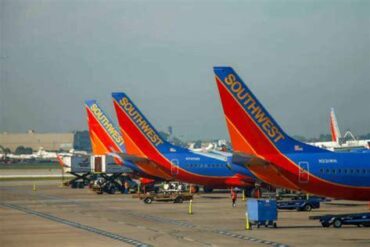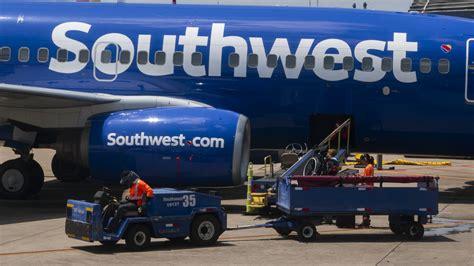
Southwest Airlines, once a beacon of baggage fee freedom, has made a pivotal shift in its customer service model. Known industry-wide for its two free checked bags policy, the airline has confirmed it will implement a tiered baggage fee structure starting May 28, 2025. This new strategy, although controversial among loyal passengers, aligns Southwest with broader industry trends favoring fee-based service models.
The announcement signals a significant break from the airline’s legacy of customer-first amenities, suggesting a strategic pivot driven by financial pressures and evolving market demands.
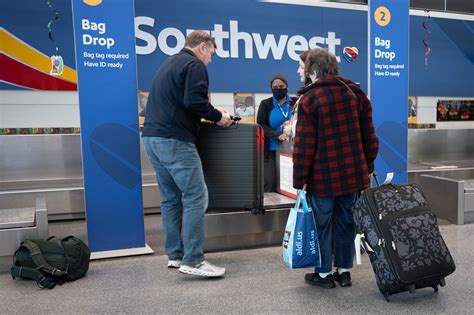
The End of a Signature Perk for Most Travelers
For decades, Southwest Airlines proudly touted its “bags fly free” slogan, distinguishing itself from other U.S. carriers that increasingly monetized every aspect of the flying experience. That era is now effectively ending for the majority of Southwest passengers.
As of the new policy’s rollout:
- Business Select and A-List Preferred passengers will retain the ability to check two bags free of charge.
- Military members will continue to enjoy free checked bags under the existing military benefit program.
- All other travelers — including those holding Wanna Get Away, Wanna Get Away Plus, and Anytime fares — will face new baggage fees:
- $35 for the first checked bag
- $45 for the second checked bag
This move is particularly significant because Southwest has long leveraged its free baggage policy as a competitive differentiator. The airline now must reposition its brand identity, or risk losing passengers to carriers offering competitive pricing without hidden extras.
Why the Shift? Strategic Revenue Generation
This policy shift is not occurring in a vacuum. It reflects a larger industry trend where airlines increasingly rely on ancillary revenue to offset rising fuel costs, labor demands, and post-pandemic operational recovery efforts. For Southwest, the cost of maintaining no-fee baggage services was becoming a liability.
According to airline analysts and insiders, this shift is part of a calculated strategy to strike a balance between maintaining affordability and delivering shareholder value. The introduction of bag fees allows the carrier to tap into a consistent revenue stream without directly raising base ticket prices — a move that might alienate price-sensitive consumers.
The Legacy of Free Bags: A Core Brand Pillar
Southwest’s previous baggage policy wasn’t just a cost benefit — it was central to its identity. As Michael Taylor, Senior Managing Director of Travel and Hospitality at J.D. Power, noted, the airline built its reputation on being “different” from legacy carriers like Delta, American, and United.
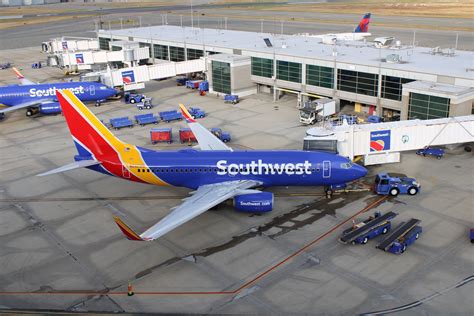
“Southwest was begun on the premise that they would be **‘different’ from other large carriers,’” Taylor remarked. That differentiation was essential in cultivating customer loyalty and sustaining long-term brand goodwill.
However, the pressures of increased competition and the proliferation of low-cost carriers like Spirit and Frontier have forced Southwest to adapt or risk falling behind.
How Southwest’s New Fees Compare Across the Industry
While some travelers are undoubtedly disappointed, it’s important to put the new fees into perspective. Compared to other U.S. airlines, Southwest’s new baggage pricing remains competitive, particularly for the first bag:
- Delta Air Lines: $35+ (1st bag), $45+ (2nd bag)
- American Airlines: $35–$40 (1st), $45+ (2nd)
- United Airlines: $35+ (1st), $45+ (2nd)
- Spirit Airlines: $26+ (1st), $36+ (2nd) – often varies dramatically based on route and timing
- Frontier Airlines: $49+ (1st), $69+ (2nd)
Even with the introduction of these fees, Southwest remains more affordable in most scenarios, especially when avoiding last-minute airport charges. The risk, however, is that this new policy will blur the distinctions that once made Southwest a standout in a crowded marketplace.
Managing Baggage Fees: What Travelers Can Do
To soften the impact of these changes, savvy travelers have a few strategic options:
- Book higher-tier fares: While more expensive up front, fares like Business Select still include the two free checked bags. Depending on travel frequency, the math may favor these higher tiers.
- Use airline co-branded credit cards: Holders of the Southwest Rapid Rewards Credit Card may benefit from complimentary bag check-in, or earn points redeemable toward fees and future travel.
- Pre-pay for bags online: Many airlines, including Southwest, offer discounted baggage fees if paid during the ticket booking process. Waiting until airport check-in can mean higher fees.
- Travel light: More travelers are opting for carry-on-only travel, reducing costs and avoiding long waits at baggage claim.
Navigating the Rapid Rewards Program Under the New System
Frequent flyers who are part of the Rapid Rewards loyalty program should take extra time to understand how the changes affect their tier status and benefits. As mentioned, only A-List Preferred members will continue to receive free checked baggage perks.
For members hoping to maintain that perk, qualifying for A-List Preferred involves accumulating either 70,000 tier qualifying points or 50 qualifying one-way flights in a calendar year. This might push casual travelers into higher spending brackets if they want to preserve that status.
Southwest’s loyalty program, once lauded for its no blackout dates and simple redemption structure, now mirrors competitors in using status-based rewards as a buffer against rising fees. It creates a two-tiered customer experience where loyalty is rewarded, and occasional travelers are burdened.
Industry Repercussions: Southwest’s Gamble
Southwest’s baggage fee announcement is more than a policy update; it is a strategic inflection point that signals deeper currents within the airline industry. Carriers across the globe are shifting from all-inclusive models to a la carte pricing, unbundling services to maximize per-passenger profitability.
By abandoning its most iconic perk, Southwest is gambling that it can remain competitive on price and service, while increasing shareholder value through new revenue streams. If successful, it could become a blueprint for how mid-market carriers evolve post-COVID.
However, if the backlash from loyal passengers is strong, or if ultra-low-cost carriers continue to undercut Southwest’s fares, the airline could see its loyalty base erode — particularly among price-sensitive travelers with alternatives.
Preparing for the Future of Air Travel
The era of all-included flying is effectively over. With Southwest’s change, the final domino in legacy baggage fee resistance has toppled. The writing is on the wall: travelers must now adapt to a world where every amenity has a price tag.
What does this mean for the average flyer?
- Plan travel budgets with incremental costs in mind.
- Re-evaluate loyalty programs and maximize credit card perks.
- Compare total trip costs, not just base fares.
- Expect dynamic pricing models to continue evolving — what costs $35 today may cost $45 next month.
As the airline industry continues to adjust its value offerings, consumer awareness becomes paramount. Those who stay informed and flexible can still extract value and comfort from their flying experiences — even in an era of fee-first air travel.
Final Thoughts: A Defining Moment in Southwest’s Legacy
This latest policy shift could define the next chapter in Southwest Airlines’ history. Once a disruptor, now adapting to disruption, the airline must walk a careful line between profitability and passenger satisfaction.
The future of flying is undoubtedly changing. And while many will mourn the loss of Southwest’s signature perk, it’s clear that understanding new policies, adapting quickly, and flying smart will be essential in this next phase of air travel evolution.