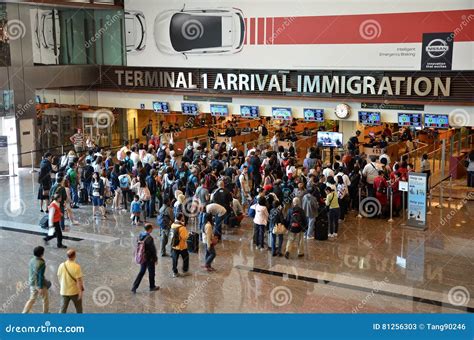
Singapore’s 2025 overhaul of customs regulations and GST exemptions marks a turning point for international travelers entering the city-state. As a critical global transit and tourism hub, Singapore’s new guidelines demand stricter compliance, especially for travelers carrying high-value goods, luxury items, or gifts from overseas. The intent is to close existing tax loopholes, reinforce revenue collection, and position Singapore as a model for efficient border control — but for the average visitor, these changes introduce significant implications.
In 2025, the Goods and Services Tax (GST) in Singapore rose to 9%, affecting imports and traveler declarations alike. This increase sharpens the focus on previously overlooked or misunderstood areas of customs compliance, particularly in how long a traveler was abroad and what they are bringing back. Under the updated regulation, travelers who have been outside Singapore for 48 hours or more are granted GST relief of up to S$500 (approximately USD 390). Those returning in less than 48 hours receive only S$100 in relief.
What often trips up international visitors is the assumption that if an item is used, worn, or lacks a price tag, it doesn’t require declaration. However, under Singapore’s regulations, usage does not equate to exemption. Whether it’s a new designer handbag, smartwatch, or luxury apparel, all goods purchased abroad must be declared if their cumulative value exceeds the GST exemption cap. This applies even when foreign VAT has already been paid or when the traveler believes their items to be second-hand.
The consequences of non-compliance have already been felt. Recent enforcement operations by Singapore Customs identified over 200 tourists who attempted to circumvent declarations. In a striking example, 153 travelers were caught smuggling alcohol, tobacco, collectible toys, and luxury goods. The severity of the breach spanned all major entry points — airports, seaports, and land crossings, suggesting a pervasive lack of awareness and a growing trend of risk-taking among visitors.
Misconceptions Around Gifts, Used Goods, and Digital Receipts
A particularly problematic area involves gifts. Many tourists assume that if they didn’t buy the item — such as receiving a luxury watch or bag — they are exempt from paying tax. But gifts are treated as imports. If their value exceeds the traveler’s GST-free allowance, the overage is taxable. Travelers often lack receipts for such items, complicating the declaration process.
Experts like Kor Bing Keong, GST leader at PwC, emphasize the importance of digital documentation. Customs officers may refer to online marketplaces or comparable products to assess value, and without receipts, travelers are at the mercy of these estimates. For this reason, digital receipts or screenshots of product listings should be saved — especially when the value is high or the item is from a well-known brand.
GST Exemptions: Specific Allowances and the Role of Travel Duration
Singapore’s customs rules define two exemption thresholds based on trip length:
- 48 hours or more abroad: GST relief of S$500.
- Less than 48 hours abroad: GST relief of S$100.
This distinction places an added burden on short-term travelers or regional visitors — for example, those flying in from neighboring countries like Malaysia, Thailand, or Indonesia. It’s common for weekend travelers to return with goods that easily exceed the S$100 cap. As a result, even budget shopping sprees can become taxable events.
Customs@SG App: The Digital Solution for Seamless Declarations
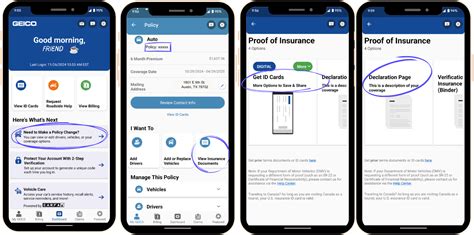
To ease the process, Singapore Customs launched the Customs@SG mobile app, enabling travelers to declare taxable goods and pay GST prior to arrival. This app eliminates the need for physical declaration at customs counters and streamlines tax clearance.
Travelers can:
- Enter item descriptions and values in advance.
- Upload receipts or images.
- Make secure tax payments via the app.
- Use fast-track customs lanes with digital confirmation.
This digital-first approach reflects Singapore’s push toward border automation and digital transparency, reducing manual inspections while increasing compliance. The app also benefits travelers with tight layovers or those unfamiliar with declaration protocols, making it a crucial tool for a stress-free entry.
Insider Tips: Avoiding Penalties and Customs Delays
Dr. Lynda Wee, an expert from Nanyang Technological University, recommends travelers pack potentially taxable items in accessible areas of their luggage — preferably at the top or in a separate compartment. This facilitates inspections and demonstrates a cooperative attitude if flagged. More importantly, when unsure, travelers should always choose to declare. Singapore Customs often operates under a ‘declare-first’ principle, where honesty results in faster clearance and avoids hefty fines.
Additionally, travelers should keep in mind:
- Tampering with price tags, repackaging, or disguising goods does not prevent taxation.
- Items bought for personal use or intended as gifts are still taxable if thresholds are exceeded.
- Customs officers use global price references to value undeclared items — usually erring on the high side.
Enforcement Trends: What the Numbers Reveal About Traveler Behavior
The enforcement numbers reveal a worrying pattern. Of the 200+ violators in early 2025, most were unaware that clothing, handbags, or electronics needed to be declared. Some believed wearing an item made it immune from scrutiny, while others assumed that ‘personal shopping’ didn’t qualify as taxable. These misinterpretations led to customs violations that now carry financial penalties and delayed clearances, and may even lead to being flagged for future travel into Singapore.
Moreover, Singapore’s high-profile crackdowns reflect its intent to create a zero-tolerance culture for smuggling and misdeclaration. The customs process is increasingly data-driven, leveraging AI-powered scanning and profiling technologies to identify high-risk passengers and discrepancies in baggage scans.
Global Tourism Ripple Effects: Changing How Tourists Shop
These GST reforms are not just a national issue — they are having a profound influence on how global tourists shop. In many cases, tourists are modifying their spending behavior, choosing either to ship items separately or avoid purchasing physical goods altogether. There is a noticeable pivot toward experience-based tourism — spending on fine dining, cultural tours, and entertainment, all of which are immune to customs declarations.
Retailers in source markets, particularly in Hong Kong, Japan, South Korea, and Europe, are now advising tourists about Singapore’s tax rules at the point of sale. Some even offer customized shipping services to mitigate declaration risks, charging extra to handle customs duties upfront.
Industry Response: Airlines and Travel Agents Educate Travelers
Airlines and tour operators are beginning to include customs education as part of their pre-departure checklists. Singapore Airlines, for example, is reported to be updating its in-flight entertainment with brief videos explaining customs compliance. Travel agencies that sell premium shopping tours are also updating their itineraries to include warnings about return-trip tax implications.
The tourism industry understands that Singapore’s customs reforms set a new regional benchmark. Similar systems may soon be adopted by other Asian and Middle Eastern destinations seeking to modernize border security while increasing indirect tax revenue. Consequently, being an informed traveler is no longer optional — it’s an essential component of global travel.
Balancing Regulation With Experience: The Future of Singapore Tourism
While the regulations may seem restrictive, Singapore is striving to balance fiscal responsibility with a positive tourism experience. By offering digital solutions and transparency, the country positions itself as efficient, secure, and modern. Tourists willing to comply will continue to enjoy one of the world’s safest and most advanced travel environments — albeit with a keener eye on what’s in their suitcase.
These customs rules are not designed to penalize but to ensure that Singapore remains sustainable, equitable, and competitive. For travelers, the lesson is clear: know the rules, plan ahead, and when in doubt, declare. Doing so will not only save money but also contribute to the integrity of the global travel ecosystem.
Conclusion
Singapore’s 2025 customs regulations are a clear signal to the global travel community: transparency, responsibility, and preparation are now essential for a smooth travel experience. As GST enforcement ramps up, and as declarations become more tightly scrutinized, travelers must adapt their habits and expectations. Those who do so will not only avoid penalties but will help shape a new standard for ethical and efficient international tourism.