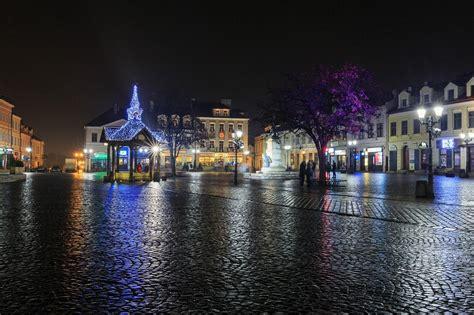
Located in the heart of southeastern Poland, Rzeszow is a city that has undergone a remarkable transformation over the past decades. Once a quiet provincial hub, it has evolved into one of Poland’s most dynamic urban centers, combining a deep-rooted historical heritage with a forward-looking spirit. As we enter 2025, Rzeszow presents itself as a destination that is not only rich in cultural significance but also modern in its offerings — making it a compelling place to visit for both first-time tourists and seasoned travelers.
The city’s charm lies in its balance between tradition and progress. Architectural gems from the Renaissance and Baroque eras coexist with sleek contemporary buildings, while cozy pierogi restaurants neighbor vibrant cocktail lounges. Rzeszow’s strategic location also makes it an ideal base for exploring the scenic Subcarpathian region.
Rzeszow Market Square: The Beating Heart of the City
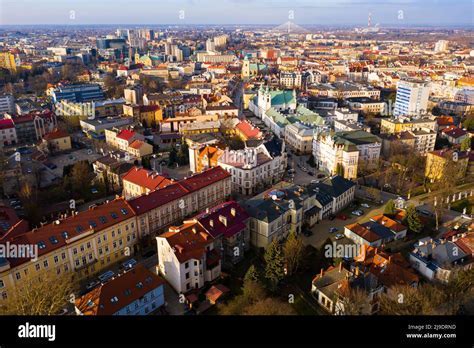
At the center of Rzeszow lies Rynek, the Market Square — a vibrant and historic space that reflects the soul of the city. This cobblestone square has been the focal point of civic life for centuries and continues to buzz with activity, surrounded by well-preserved merchant houses, outdoor cafes, and boutiques. The square is home to the Ratusz, or Town Hall, a stunning 16th-century building that showcases elegant Renaissance architecture and serves as a picturesque backdrop to many public events throughout the year.
Just below the surface of the square lies the Rzeszow Underground Tourist Route, an impressive network of medieval tunnels and cellars. This subterranean world was once used by merchants for storage and protection and now serves as a museum that vividly illustrates the city’s commercial history.
Architectural and Cultural Heritage: Rzeszow’s Historic Soul
Rzeszow boasts an array of architectural styles, each telling a unique story. The Lubomirski Castle, once the seat of one of Poland’s most influential noble families, stands proudly as a reminder of the city’s aristocratic past. Though it now houses judicial offices, its gardens and exteriors remain open to the public, offering a peaceful setting for a stroll and a moment of reflection.
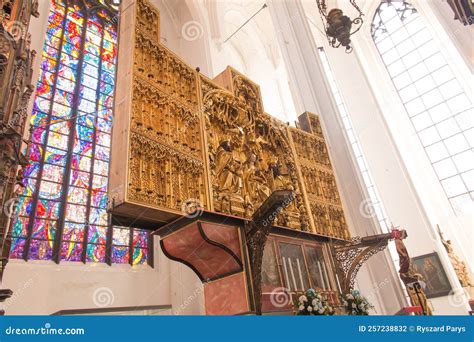
Nearby, the Bazylika Wniebowzięcia Najświętszej Marii Panny, or Basilica of the Assumption, enchants visitors with its exquisite baroque interiors and ornate altars. This sacred site is not only a center of worship but also a repository of artistic treasures that speak volumes about the city’s religious and cultural devotion.
Museums and Monuments: Where History Meets the Present
History in Rzeszow is not confined to its buildings — it thrives in its many museums and public monuments. The Museum of Bedtime Cartoons, one of the more quirky attractions, delights families and nostalgia lovers with its collection of beloved Polish animation memorabilia. Meanwhile, the Ethnographic Museum, housed in a beautifully preserved manor, offers a deeper dive into the traditional customs and folk art of the Subcarpathian region.
Monuments such as the Tadeusz Nalepa Statue, dedicated to the father of Polish blues, and the Monument to the Revolutionary Act — a striking, modernist sculpture — represent Rzeszow’s connection to national identity, resistance, and cultural pride.
Green Escapes: Parks and Outdoor Attractions
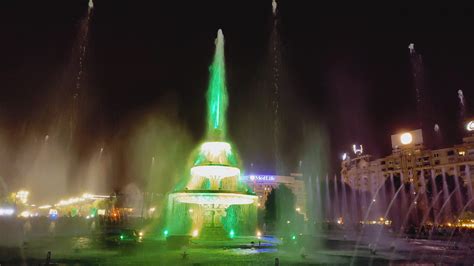
Despite its urban development, Rzeszow is surprisingly green. The city is interwoven with parks and public gardens that provide serene escapes from the bustle. Bulwary Rzeszowskie, the scenic riverside boulevards along the Wisłok River, are ideal for jogging, cycling, or simply relaxing under the shade of a willow tree. The Multimedia Fountain Park, especially vibrant in summer, offers a choreographed show of light, water, and music that captivates locals and tourists alike.
Polish Cuisine Refined: Where to Eat in Rzeszow
The city’s culinary scene strikes a balance between traditional Polish dishes and international sophistication. For those seeking authentic regional flavors, Restauracja Folk delivers a rustic yet refined take on Subcarpathian cuisine, offering dishes like pierogi with wild mushrooms and slow-roasted pork knuckle.
Meanwhile, Radosc Restaurant (Joy) blends Polish and European influences, creating a modern dining experience with seasonal, locally-sourced ingredients. For Italian food lovers, Bellanuna Osteria and D’oro Ristorante consistently receive praise for their wood-fired pizzas and rich pasta offerings.
Vegetarians and international diners won’t feel left out — from Bollywood Masala’s fragrant Indian dishes to Oranzeria’s upscale vegetarian Polish fare, Rzeszow is expanding its palate rapidly.
Where to Stay: Comfort Meets Style
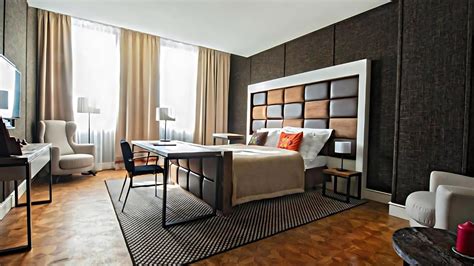
Accommodations in Rzeszow reflect the city’s dual personality: historic charm meets modern convenience. The Hotel Bristol Tradition & Luxury, located just off the Market Square, stands out for its elegant interiors, combining folk-inspired décor with five-star amenities.
For a more business-oriented stay, the Hilton Garden Inn Rzeszow provides contemporary rooms with city views and seamless access to the commercial district. Blue Diamond Hotel, slightly outside the city center, is a wellness-focused retreat offering spa treatments and gourmet dining — perfect for those looking to unwind.
After Dark: Nightlife and Entertainment
Rzeszow’s nightlife is vibrant yet sophisticated. Start your evening at Cocktail Culture, a stylish bar known for its mixology craft and ambient interiors. If you prefer a more traditional setting, Pijalnia Rzeszowska offers a cozy pub environment with local brews and classic Polish bar snacks.
For live music lovers, many cafes and bars host open mic nights and jazz sessions. Irish Pub & Steakhouse is not only a great dining venue but also a hotspot for casual evening gatherings.
Late-night food is best enjoyed at Warsztat Pizza & Restaurant, where Italian-American dishes keep the night going.
Local Arts and Cultural Events
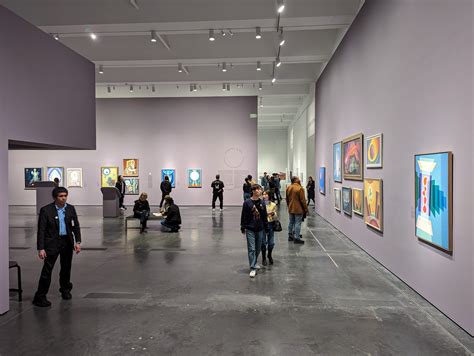
Rzeszow is a city that celebrates the arts. It regularly hosts the Rzeszow Theatre Festival, the Jazz Bez Festival, and open-air cinema nights in the summer. Art galleries such as the Bureau of Art Exhibitions (BWA) showcase both contemporary and traditional Polish works, giving insight into the region’s creative pulse.
In 2025, the city is poised to unveil several new cultural initiatives, including expanded public art installations and cross-border exhibitions with neighboring Slovakia and Ukraine.
When to Visit and Travel Essentials
The best time to visit Rzeszow is from late spring to early autumn, when the city is alive with festivals, open-air events, and café terraces. However, the winter months offer a more intimate experience with fewer tourists and cozy Christmas markets that light up the historic core.
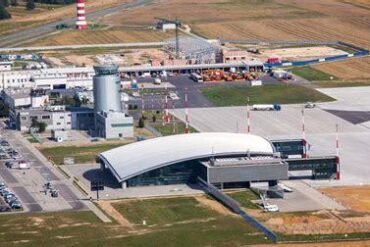
Rzeszow is served by Rzeszow-Jasionka Airport, with direct connections to major European hubs. The city’s public transportation is efficient and affordable, with trams, buses, and a growing network of bike paths. English is increasingly spoken, particularly among younger locals and hospitality staff, making navigation and communication relatively easy for international visitors.
Final Thoughts: Why Rzeszow Belongs on Your 2025 Travel List
Rzeszow is not merely a stopover — it is a destination in its own right. With its blend of historical depth, urban energy, and heartfelt hospitality, it offers something for every traveler. As Poland’s southeastern jewel, it opens doors not only to its own stories but also to the broader wonders of the Carpathian region.
Whether you’re drawn by its architecture, intrigued by its culture, or enticed by its food, Rzeszow in 2025 is more inviting than ever before. This is the time to explore its evolving identity and to discover why more travelers are adding it to their Central European itineraries.