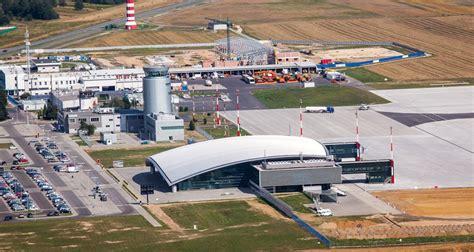
Nestled in the heart of southeastern Poland, Rzeszów–Jasionka Airport (IATA: RZE, ICAO: EPRZ) stands not merely as a regional airfield, but as a rapidly developing strategic and logistical hub. Located just 10 kilometers north of Rzeszów, within the Podkarpackie Voivodeship, this international airport has transformed over the decades from a modest airstrip into one of Poland’s most vital transport arteries—especially in times of geopolitical tension and humanitarian need.
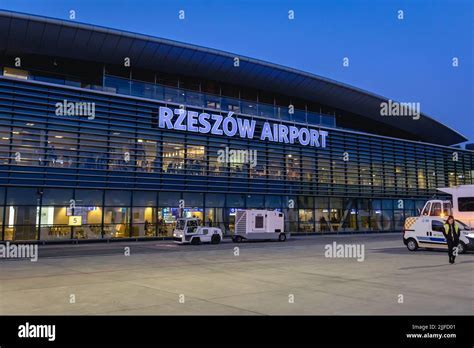
Historical Evolution: From Post-War Beginnings to Global Role
The genesis of Rzeszów–Jasionka Airport traces back to 1940, when the initial facilities were established during wartime. However, those were obliterated in 1944, requiring a complete rebuild. Commercial traffic officially resumed in 1949, following the end of World War II. By then, Poland’s national airline, LOT Polish Airlines, had already initiated domestic services in late 1945, establishing the airport as part of a circular route that included Warsaw, Łódź, Kraków, Lublin, and Rzeszów.
Throughout the Cold War, the airport also hosted the Polish Air Force, integrating both military and civil functions. This dual-use identity continued until 1999, when the air base was formally closed, allowing for exclusive civilian development and setting the stage for international integration.
Modernization and Terminal Expansion: A Decade of Acceleration
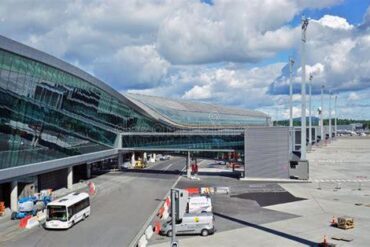
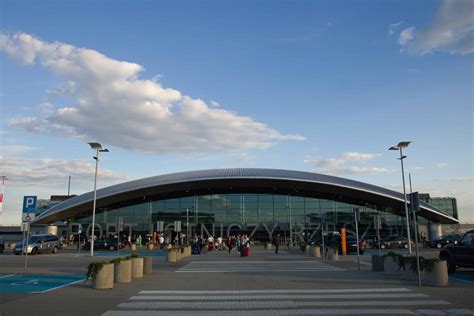
The first decade of the 21st century marked a turning point. A new terminal project began in 2006, albeit delayed by funding and administrative hurdles. The momentum culminated in May 2012, when a state-of-the-art passenger terminal was inaugurated. This modern facility represented a substantial leap in capacity and service level, positioning Rzeszów–Jasionka as an emerging regional hub.
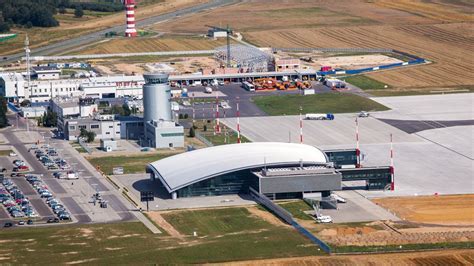
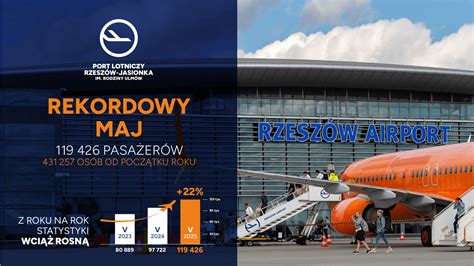
This transformation bore statistical fruit. Passenger traffic, which stood at 279,996 in 2007, surged to over 1.14 million by 2024—a more than fourfold increase in less than two decades. Notably, the airport’s infrastructure was recognized for its effective use of EU funds, earning positive evaluations in a 2014 European Court of Auditors (ECA) report amid broader criticism of inefficient regional airport development across Europe.
Strategic Location and Military Significance During Ukraine Crisis
Since February 2022, Rzeszów–Jasionka has played a pivotal logistical role amid the Russian invasion of Ukraine. Its geographic proximity—just a short drive along the A4 autostrada to the Ukrainian border—has transformed it into a frontline trans-shipment hub for international military and humanitarian aid. Supplies are flown into RZE and rapidly distributed into Ukraine by road convoys.
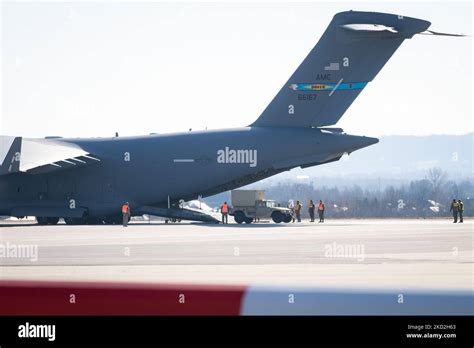
This role was dramatically underlined when two MIM-104 Patriot missile systems were stationed at the airport by the United States in March 2022. In the same month, U.S. Secretary of State Antony Blinken and President Joe Biden both made diplomatic visits to Rzeszów, reinforcing its strategic prominence. Further high-profile visits followed, including Prince William’s arrival in March 2023 and President Andrzej Duda’s dedication of the airport to the Ulma Family in 2024, honoring the Polish martyrs who protected Jews during World War II.
Runway Capabilities: Built for Giants
Rzeszów–Jasionka boasts one of the longest runways in Poland, measuring 3,200 meters (10,499 feet) in length and 45 meters in width, surfaced with reinforced concrete. This makes it suitable for even the largest and heaviest aircraft, including:
- Antonov An-124 and the legendary An-225 Mriya
- Boeing C-17 Globemaster III
- Lockheed C-130 Hercules
- Boeing 747 in passenger and cargo variants
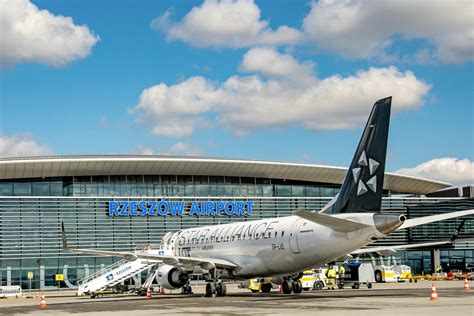
Such capabilities are not just theoretical. Rzeszów’s apron has physically hosted multiple super-heavy aircraft simultaneously, serving as evidence of its operational resilience and infrastructure robustness.
Airlines, Routes, and Seasonal Connectivity
While historically viewed as a regional airfield, Rzeszów–Jasionka’s current roster includes major European carriers and seasonal intercontinental connections, such as:
- LOT Polish Airlines: Warsaw–Chopin, seasonal flights to Newark and Gdańsk
- Ryanair: London–Stansted, Dublin, East Midlands, Alicante, Bristol, Malta, Milan–Malpensa, Manchester, and Zadar (seasonal)
- Lufthansa: Munich
- Wizz Air: Milan–Malpensa and Rome–Fiumicino
- Smartwings Poland: Seasonal charters to Antalya, Bodrum (from May 2025), and Rhodes
- FlyLili: Charter flights to Tel Aviv
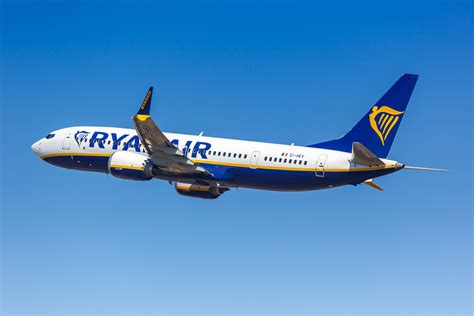
These routes not only serve holiday travelers but are also essential for the growing diaspora in Ireland, the UK, and Italy, offering direct links to Rzeszów’s sizable expat community.
Rail and Bus Connectivity: Seamless Ground Access
Enhancing its role as a regional gateway, Rzeszów–Jasionka inaugurated a dedicated rail line on 3 October 2023. Operated by Podkarpacka Kolej Aglomeracyjna, this 18-minute journey between the airport and Rzeszów Główny railway station represents a vital addition for passengers and airport staff. Tickets are affordably priced at 4 PLN, ensuring accessibility and sustainability.
On the road front, scheduled bus services operated by MPK and MKS connect the airport to the city center and broader voivodeship network, strengthening public transport integration.
Crisis Response and Humanitarian Airlift Capabilities
During the Ukraine conflict, the airport’s facilities were swiftly repurposed for emergency logistics, accommodating military aircraft, field hospitals, and press encampments. Aircraft landing with aid and personnel ranged from NATO tactical transports to civilian humanitarian missions. Rzeszów has become the unofficial western airlock to Ukraine, proving that its relevance extends beyond commercial aviation into geopolitical infrastructure.
The presence of military and government figures underscores this dimension, as do ongoing security enhancements including radar systems and joint NATO-Poland coordination mechanisms.
Passenger Trends and Operational Efficiency
Despite experiencing a sharp dip in 2020 due to the pandemic, passenger numbers at RZE have skyrocketed in the recovery phase:
- 2020: 235,190 passengers
- 2022: 731,141 passengers
- 2023: 1,020,189 passengers
- 2024: 1,145,257 passengers (projected)
Aircraft movements have also surged to over 21,000 in 2024, reflecting not only leisure travel growth but also the military and NGO traffic that supplements civil aviation operations.
Naming and Cultural Significance: Honoring the Ulma Family
On 24 March 2024, Polish President Andrzej Duda officially renamed the airport “Rzeszów Ulma Airport” in honor of the Ulma family of Markowa. This family of Polish Catholics was executed by Nazi forces in 1944 for sheltering Jewish families during the Holocaust. Their legacy is now embedded in the airport’s identity, symbolizing courage, sacrifice, and regional heritage.
The renaming is more than symbolic—it aligns the airport with Poland’s broader efforts to commemorate WWII resistance, affirming Rzeszów’s place not just in air traffic maps but in moral history.
Conclusion: A Gateway Forged by History, Powered by Strategy
Rzeszów–Jasionka Airport’s journey from a rebuilt wartime airstrip to one of Poland’s eight busiest airports exemplifies strategic foresight, regional resilience, and global responsiveness. It is not merely a place where passengers embark and disembark—it is a symbolic portal between East and West, between past sacrifice and future vision.
As Poland’s eastern air frontier continues to evolve, its role in security, diplomacy, commerce, and humanitarian outreach will only intensify. Whether serving military missions, diaspora flights, or EU-funded tourism initiatives, Rzeszów–Jasionka Airport stands as a cornerstone of Poland’s 21st-century transport architecture.