Ciudad Juárez International Airport, officially known as Abraham González International Airport, serves as a vital aeronautical and economic artery for the northern Mexican state of Chihuahua. As one of the most dynamic regional airports in Mexico, it supports both civilian travel and cargo logistics, acting as a linchpin for the El Paso–Juárez transborder megaregion. The airport’s evolution from a modest airfield into a modern regional hub reflects broader developments in Mexican aviation, border trade, and urban growth.
Strategic Location and Regional Role
Situated at 31°38′11″N 106°25′43″W, Ciudad Juárez International Airport lies just 12 kilometers southeast of Ciudad Juárez’s urban center, placing it within close reach of the U.S.–Mexico border. This proximity to El Paso, Texas, enables the airport to serve dual urban populations in one of the most integrated binational metro areas in North America.
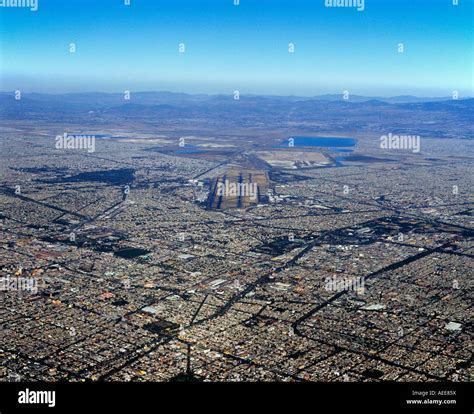
The airport acts as a gateway to northern Mexico and is a preferred point of departure for passengers who seek domestic flights without crossing into the U.S. With high U.S. departure taxes, Ciudad Juárez International offers a cost-effective option for Mexican nationals and cross-border commuters. Yet, paradoxically, its international potential is underutilized, as U.S.-bound travelers typically use El Paso International Airport, just across the Rio Grande.
Ownership, Operations, and Elevation
Grupo Aeroportuario Centro Norte (OMA) is the airport’s operator, overseeing its infrastructure, passenger services, and long-term development plans. The airport sits at a notable elevation of 1,190 meters (3,904 feet) above mean sea level. This high-altitude setting presents certain operational considerations, particularly for aircraft performance during takeoffs and landings in hotter weather conditions, a challenge common to highland airports in northern Mexico.
Infrastructure and Runway Configuration
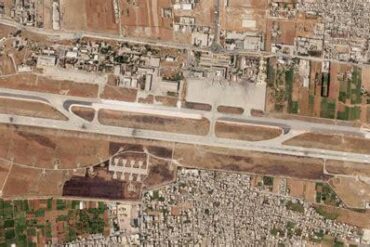
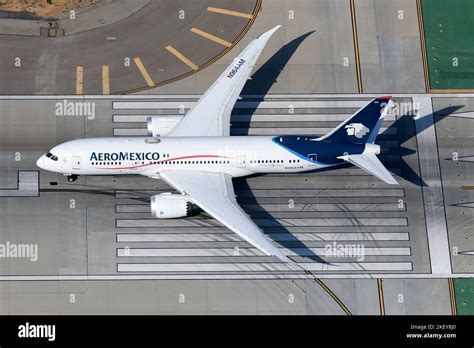
Ciudad Juárez International Airport boasts a dual-runway layout, supporting a diverse array of aircraft operations. The primary runway, designated 03/21, stretches 2,700 meters (8,858 feet) and is surfaced with asphalt, accommodating the narrow-body aircraft typical of domestic commercial aviation. The secondary runway, 15/33, at 1,750 meters (5,741 feet), serves smaller regional jets, general aviation aircraft, and flight training schools.
The airport’s apron layout includes seven aircraft stands, supporting simultaneous turnaround operations, especially during peak hours. This infrastructure supports the airport’s evolving operational needs, particularly in cargo handling and domestic travel, sectors that have both grown steadily over the past decade.
Terminal Facilities and Expansion Plans
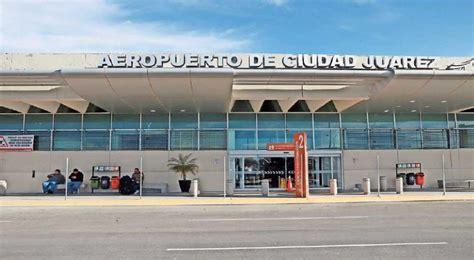
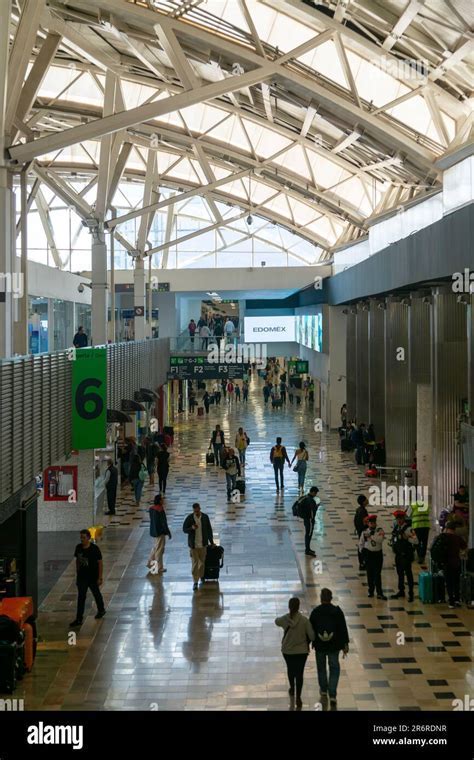
The airport’s main passenger terminal covers 15,480 square meters (166,600 square feet) and is designed for both domestic and limited international functionalities. Inside the terminal, travelers have access to:
- Three departure gates (A, B, and C)
- VIP lounges and business areas
- Rental car services and on-site parking
- Check-in counters for multiple airlines
- Taxi and rideshare services
A notable renovation was completed in 2003, updating the facility to accommodate increasing traffic. More significantly, a multi-phase expansion project began in 2021, scheduled for completion by 2025, which will nearly double the airport’s boarding gate capacity to seven—with four gates on the lower level and three on the upper level. This expansion aims to future-proof the terminal, in anticipation of continued growth in passenger numbers and logistics demands.
Passenger Growth and Ranking in Mexico
Ciudad Juárez International Airport has consistently climbed the ranks among Mexico’s busiest airports. In 2024, the airport surpassed 2.14 million passengers, making it the 13th busiest in the nation, according to OMA’s official statistics. Notably, it first crossed the 2 million passenger mark in 2022, a major milestone in its operational history. This trajectory reflects:
- Increased domestic tourism
- Stronger business travel linked to the maquiladora industry
- Population growth in the Juárez–El Paso metro region
Airlines and Domestic Connectivity
Due to Mexican regulations and tax structures, Ciudad Juárez International Airport only operates domestic passenger flights, despite its designation as an international airport. Nonetheless, the airport is served by Mexico’s leading carriers, offering wide-reaching domestic connectivity:
- Aeroméxico & Aeroméxico Connect: Mexico City
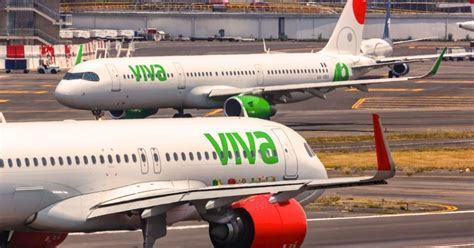
- Viva Aerobus: Mexico City, Monterrey, Cancún, Puerto Vallarta, León, Guadalajara, Mazatlán, Mexico City–AIFA
- Volaris: Guadalajara, Mexico City, Monterrey, Tijuana, Mexico City–AIFA
- TAR Aerolíneas: Hermosillo, Querétaro, Torreón/Gómez Palacio, La Paz
These routes connect Ciudad Juárez with major commercial, coastal, and industrial cities across Mexico, underlining its role as a northern air bridge to the rest of the country.
Busiest Routes and Passenger Volume
The busiest routes at Ciudad Juárez International in 2023 provide insight into traveler demand and market dynamics:
- Mexico City: 394,842 passengers
- Guadalajara: 212,589 passengers
- Cancún: 124,471 passengers
- Monterrey: 104,608 passengers
- Tijuana: 56,725 passengers
The overwhelming demand for Mexico City flights reflects the capital’s central role in business, governance, and international connectivity. Meanwhile, Cancún and Puerto Vallarta illustrate rising demand for domestic leisure travel among residents of Ciudad Juárez and El Paso.
Cargo Operations and General Aviation
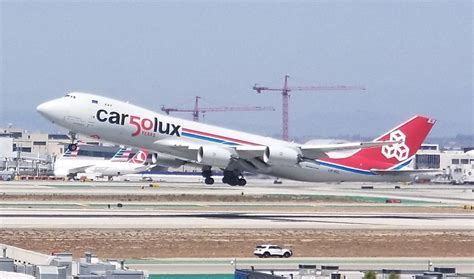
Beyond commercial passenger flights, Ciudad Juárez Airport plays a growing role in cargo logistics and express freight services. Major cargo operators include:
- Estafeta: routes to La Paz and San Luis Potosí
- TUM AeroCarga: routes to Monterrey and Toluca
These carriers support the maquiladora industry, enabling fast shipment of manufactured goods, electronics, and automotive parts across Mexico. The airport’s freight apron and handling systems have been tailored to meet the just-in-time delivery requirements of cross-border commerce.
Additionally, the airport maintains a dedicated general aviation terminal, which hosts:
- Private charter flights
- Flight schools
- Tourism operators
- Executive aviation services
Challenges and Competitive Landscape
Despite its strategic location, Ciudad Juárez Airport faces several limitations. Chief among them is the lack of international passenger service, a direct consequence of:
- High departure taxes on international flights from Mexico
- Passenger preference for El Paso International Airport
This results in a disproportionate reliance on domestic traffic, which limits the airport’s ability to serve international tourism and U.S.-bound travelers directly. While cross-border land travel is efficient, the absence of nonstop flights to U.S. destinations constrains growth opportunities in the binational tourism and business market.
Future Prospects and Development
Looking forward, Ciudad Juárez International Airport stands at a crossroads of opportunity and constraint. The current expansion project promises to enhance passenger flow, increase gate capacity, and modernize the terminal’s architecture. However, unlocking the airport’s full potential depends on several key developments:
- Negotiation of bilateral aviation agreements that enable direct cross-border routes
- Tax reform to reduce Mexico’s high international departure fees
- Public-private partnerships to attract low-cost international carriers
With over 2.1 million passengers in 2024, a robust cargo network, and strategic urban proximity to El Paso, the airport has structural advantages that few other Mexican regional airports can match.
Conclusion: A Vital Node in Mexico’s Northern Corridor
Ciudad Juárez International Airport is more than just an air terminal—it is an integral part of the binational ecosystem that links northern Mexico with the United States. While its operations are focused on domestic travel, its infrastructure, location, and ongoing expansions place it in an ideal position for future international connectivity.
As the Juárez–El Paso region continues to grow in economic integration, manufacturing output, and population, the role of Abraham González International Airport is likely to become even more central to mobility, logistics, and commerce in northern Mexico.