As of July 13, 2025, a seismic shift in global travel preferences is unfolding: San Miguel de Allende and Mexico City are eclipsing traditional favorites like Denver, Los Angeles, Atlanta, Havana, and Rio de Janeiro. Travelers from the US, Canada, the UK, Germany, Spain, Italy, and China are drawn to Mexico’s unique fusion of centuries‑old history, vibrant contemporary culture, and modern conveniences. This dual‑city phenomenon underscores a broader renaissance in Mexican tourism, where meaningful immersion and authentic encounters have become the currency of choice for discerning explorers.
From UNESCO‑designated heritage sites to sprawling urban jungles alive with street art, both destinations boast accolades and visitor numbers that command global attention. San Miguel de Allende was crowned Travel + Leisure’s Best City in the World for 2025, while Mexico City welcomed 45 million international visitors in 2024—an increase of 7.4% year‑over‑year. Yet beyond raw statistics lies a deeper narrative about cultural preservation, community resilience, and responsible tourism that will shape how these cities evolve in the years ahead.
With cobblestone lanes steeped in colonial elegance on one hand, and an electrifying metropolitan pulse on the other, Mexico is rewriting the rules of Latin American travel. Here’s an in‑depth look at what makes San Miguel de Allende and Mexico City the world’s hottest destinations in 2025, and why your next adventure belongs here.
Unparalleled Prestige and Visitor Surge
San Miguel de Allende has once again clinched the crown as Travel + Leisure’s Best City in the World for 2025, a testament to its enduring blend of small‑town warmth and cosmopolitan flair. Designated a UNESCO World Heritage Site, the city saw arrival figures climb toward its 2018 peak of approximately 468,883 visitors, with hotel occupancy hovering at 51.5% in April 2024. Meanwhile, Mexico City solidified its position as Latin America’s tourism powerhouse, drawing 45 million international guests in 2024 and showcasing a year‑over‑year growth of 7.4%.
These numbers signal more than a fleeting trend. They reflect a global appetite for experiences that transcend conventional sightseeing. Visitors now seek immersive cultural exchanges, culinary adventures that honor regional traditions, and intimate encounters with the artisans, chefs, and storytellers who give these cities their soul. As San Miguel and Mexico City climb the travel rankings, industry leaders are taking note—and adapting to accommodate both the influx and the imperative to preserve local heritage.
San Miguel de Allende: The Small City with Global Reverberations
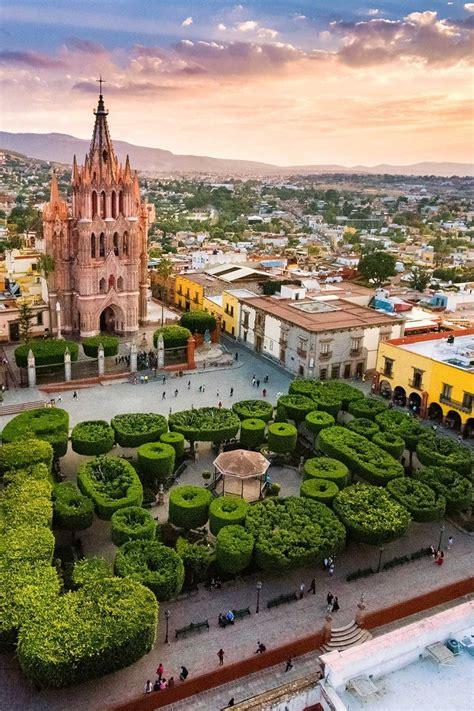
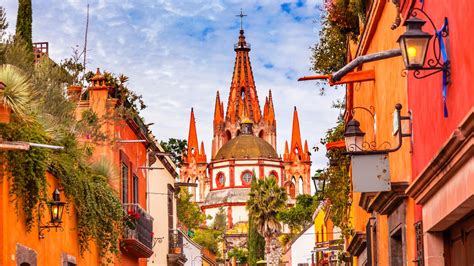
Nestled amidst the highlands of central Mexico, San Miguel de Allende captivates with its cobblestone streets, baroque churches, and pastel‑colored facades. The Parroquia de San Miguel Arcángel, with its towering pink spires, serves as an architectural beacon visible from nearly every vantage point. Artists from around the world converge on Fabrica La Aurora—a former textile mill turned creative hub—where studios and galleries pulse with innovation.
Yet beneath the city’s picturesque veneer, conversations about gentrification and affordability have intensified. An influx of foreign buyers and short‑term rentals has driven property values upward, prompting local authorities to explore regulations to cap nightly rates and protect long‑term residents. Community forums now balance economic opportunity against the risk of eroding the very authenticity that fuels San Miguel’s appeal.
Despite these challenges, the city’s offerings remain compelling. Cultural festivals—from jazz soirées in intimate courtyards to literary readings under candlelight—imbue the streets with year‑round energy. Wellness retreats leverage the region’s tequila‑vineyard backdrop, pairing holistic spa treatments with rooftop yoga sessions at dawn. And at family‑run markets, travelers sample artisanal cheeses and locally distilled mezcals while forging connections that transcend language barriers.
Mexico City’s Renaissance: From Ancient Ruins to Modern Marvels
Sprawling across 1,485 square kilometers, Mexico City is a tapestry of eras: Aztec teocalli foundations buttressed by grand colonial cathedrals and juxtaposed against steel‑and‑glass skyscrapers. The UNESCO‑listed Centro Histórico remains the epicenter, where the Zócalo’s vast plaza plays host to civic ceremonies and impromptu mariachi performances. Nearby, the Palace of Fine Arts dazzles with its Art Nouveau façade and Diego Rivera murals that chronicle Mexico’s revolutionary spirit.
Street art has emerged as a vibrant counterpart to historical sites. Murals in neighborhoods like Roma and Condesa celebrate local narratives—indigenous motifs, social justice themes, and pop‑culture icons—transforming ordinary walls into open‑air galleries. Culinary adventurers sample tacos al pastor from Coyoacán’s bustling stands or book reservations at multi‑course tasting menus in Polanco’s fine‑dining temples.
However, this renaissance has provoked friction. In July 2025, protests erupted in Condesa and Roma against overtourism and unchecked Airbnb conversions. Windows bore signs reading “Gringos, stop stealing our home,” and tour guides found themselves rerouted to less crowded boroughs. Municipal authorities responded with proposed zoning reforms and limits on short‑term rentals, aiming to strike a balance between economic vitality and community integrity.
Balancing Overtourism and Local Livelihoods
Both San Miguel de Allende and Mexico City stand at a crossroads between growth and preservation. City planners collaborate with grassroots organizations to pilot “cultural corridors” that guide visitors through designated zones, reducing strain on residential streets. Officials also incentivize year‑round tourism to mitigate seasonal spikes that inflate housing costs and overwhelm infrastructure.
Travelers are called upon to be conscious participants. Opting for home‑stays or family‑run inns channels revenue directly into neighborhoods. Small‑business walking tours emphasize artisans crafting ceramics, textiles, and silverware by hand, fostering respect for time‑honored techniques. Dining choices at comunitarios—communal kitchens managed by local families—provide authentic meals while supporting social programs.
This shift toward responsible tourism underscores a collective recognition: the highest luxury is not exclusivity, but sustainability. In prioritizing community well‑being alongside visitor satisfaction, these Mexican destinations model a new standard for global hotspots.
Who Is Visiting and Why
The evolving visitor profile reflects Mexico’s broad appeal:
Travelers from the US and Canada seek authenticity and affordability, trading cookie‑cutter resorts for boutique enclaves and farm‑to‑table eateries. European guests—particularly from the UK and Germany—are drawn to art galleries, architectural heritage, and the Mediterranean‑like energy that both cities exude. Greek and Croatian tourists cite the historic plazas and warm hospitality as reminiscent of home, while Chinese travelers increasingly prioritize immersive urban experiences, from mural tours to cooking classes focusing on regional specialties.
This diversification of demographics underscores a shared desire: cultural resonance over passive sightseeing. Whether sampling chapulines (grasshoppers) in Oaxaca or tracing Aztec pathways beneath Mexico City’s surface, today’s travelers want to feel part of the narrative.
Immersive Experiences: Arts, Culture, and Community
In San Miguel de Allende, arts and culture permeate daily life. Murals bloom on every corner, often commissioned by local patrons to honor indigenous heritage. Literary festivals draw authors and poets from across Latin America, while workshops in traditional pottery, weaving, and printmaking offer hands‑on learning.
Mexico City’s contemporary arts scene thrives alongside its antiquities. Cutting‑edge galleries in Juárez showcase emerging Mexican talent, and the Museo Jumex blurs boundaries between art and architecture. Culinary tours explore markets like San Juan—where exotic ingredients like huitlacoche and escamoles (ant larvae) sit beside edible flowers—offering a sensory education in Mexico’s gastronomic legacy.
Both cities champion ethical engagement: community‑led food tours, cooperative‑run mezcalerías, and language‑exchange meetups foster genuine connections. These engagements transform tourists into allies, bridging cultural divides and amplifying local voices.
Beyond the Stars: Exploring Wider Mexican Wonders
While San Miguel de Allende and Mexico City headline Mexico’s tourism success, the country’s tapestry extends far beyond two urban centers. In Oaxaca, the Zapotec ruins of Monte Albán rise above mist‑shrouded valleys, and Hierve el Agua’s mineral springs ripple like frozen waterfalls. Yucatán’s Riviera Maya blends white‑sand beaches with ancestral sites—Chichén Itzá’s El Castillo pyramid stands sentinel amid jungle canopy.
Baja California’s Valle de Guadalupe rivals Napa in its winemaking prowess, pairing boutique reds with Baja Med cuisine that marries seafood, local produce, and Mediterranean influences. Whale‑shark encounters off La Paz offer heart‑pounding communion with marine giants, while Cabo San Lucas’s iconic sea arch provides a natural amphitheater for sunset spectacles.
For off‑the‑beaten‑path adventurers, Chiapas unfolds as a world unto itself: Palenque’s jungle‑clad temples breathe ancient majesty, and San Cristóbal de las Casas buzzes with indigenous markets and artisan cooperatives. Hidden gems like Puebla’s Talavera‑tile‑adorned cathedrals and Isla Holbox’s flamingo‑wading lagoons beckon those who seek serenity amid the unexpected.
Practical Travel Insights for 2025
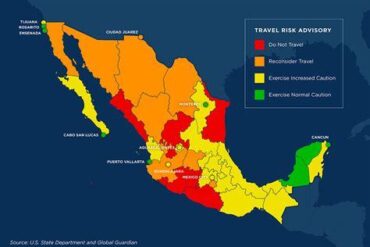
Safety in Mexico has improved steadily, with major tourist zones maintaining strong security protocols. Travelers should remain aware in crowded nightlife districts and consult up‑to‑date advisories for specific regions. Domestic flights between key cities are plentiful and competitively priced, while long‑distance buses offer comfortable overnight journeys. Rideshare services operate widely in urban centers, providing transparent, meter‑based fares.
Budgeting depends on destination and style: hostel dorms can cost as little as $15–25 USD per night, midrange hotels $80–150, and luxury properties $350+. San Miguel’s boutique market often commands premium rates, so booking early is paramount. Dining options span under‑$5 street tacos to multi‑course feasts north of $100, with communal kitchens offering excellent value.
Spanish remains the lingua franca outside tourist hubs; learning key phrases enhances both safety and connection. Finally, travelers can minimize their footprint by supporting eco‑certified operators, choosing refillable water containers, and respecting local customs—ensuring that Mexico’s brightest stars continue to shine for generations to come.
Conclusion: A Transformative Mexican Odyssey
In 2025, San Miguel de Allende and Mexico City stand as twin luminaries in Mexico’s tourism firmament—one whispering tales of romance and artisanal mastery, the other thundering with urban dynamism and cultural complexity. Together, they embody a new era of travel where authenticity, sustainability, and meaningful engagement eclipse mere sightseeing. For the global traveler seeking more than a postcard memory, Mexico offers a journey that transforms not just the itinerary, but the soul.