Private aviation has long been a defining symbol of celebrity mobility, yet recent flight-tracking transparency has revealed something far more fascinating than simple luxury. The world’s most famous entertainers, entrepreneurs, and business leaders are not merely flying occasionally for convenience—they are operating aircraft that accumulate extraordinary mileage across global networks of work, touring, and business ventures. Modern tracking data compiled from aircraft movement records now offers a rare glimpse into which public figures truly dominate the skies.
The emerging picture challenges popular assumptions. While pop stars are often portrayed as the most frequent users of private aviation, the real mileage leaders include technology executives, global entrepreneurs, and media moguls whose aircraft operate almost like corporate assets rather than personal indulgences. These jets routinely cross continents, linking major financial centers, entertainment hubs, and international headquarters with remarkable efficiency.
Understanding how these aircraft are used reveals much more than celebrity travel habits. It offers insight into the modern ecosystem of business aviation, where aircraft are selected not simply for prestige but for range, operational flexibility, and productivity in flight. In many cases, these jets function as flying offices, creative studios, and strategic command centers operating thousands of feet above the Earth.
The Celebrities Leading the Private Jet Mileage Rankings
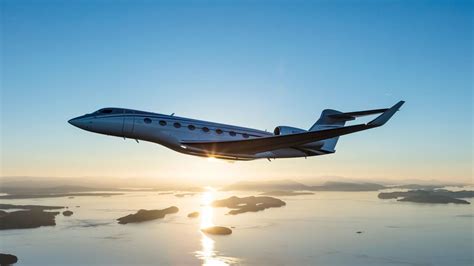
Flight data reveals a striking hierarchy among celebrity jet owners, and the individual who sits at the top might surprise many observers. Rather than a musician or Hollywood icon, the aircraft logging the most miles belongs to former Google CEO Eric Schmidt. His Gulfstream G650 has accumulated an astonishing 846,608 miles across 687 flights, representing one of the most intensively used celebrity aircraft currently tracked.
Such extraordinary usage illustrates how corporate leaders depend on private aviation to maintain international schedules that commercial airlines simply cannot support efficiently. Schmidt’s aircraft frequently operates intercontinental missions connecting Silicon Valley with Europe and Asia, where technology partnerships, investment meetings, and global conferences demand rapid mobility.
Close behind in the rankings is Kim Kardashian, whose Gulfstream G650 reflects the global nature of modern entertainment and fashion industries. Her aircraft has logged 591,172 miles across 326 flights, demonstrating a pattern of fewer but significantly longer missions. From fashion events in Paris to business engagements in New York and Los Angeles, the aircraft effectively serves as a mobile headquarters for an expanding media empire.
The third position belongs to rapper Travis Scott, whose aviation strategy differs dramatically from the traditional executive jet model. Instead of a conventional business aircraft, Scott operates an Embraer E190, a much larger airliner-derived platform designed to transport touring crews, production staff, and collaborators.
This diversity of aircraft ownership highlights a key truth about celebrity aviation: travel demands vary widely depending on profession. A technology executive may prioritize range and connectivity, while a touring musician requires passenger capacity and logistical flexibility.
Why the Gulfstream G650 Became the Celebrity Jet of Choice
One aircraft appears repeatedly across the private aviation leaderboard: the Gulfstream G650. Among the highest-mileage celebrity aircraft, this jet dominates ownership lists, flown by figures including Eric Schmidt, Kim Kardashian, Bill Gates, Elon Musk, and former Microsoft CEO Steve Ballmer.
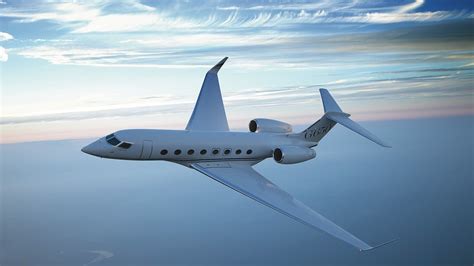
The aircraft’s popularity stems from a combination of engineering excellence and operational versatility. Introduced in 2009 and certified in 2012, the G650 represented a generational leap in business jet capability. Powered by twin Rolls-Royce BR725 engines, it cruises comfortably at Mach 0.85 and can exceed Mach 0.90, making it one of the fastest business aircraft in service.
Speed alone, however, does not explain its dominance. The true advantage lies in its ultra-long-range capability of approximately 7,000 nautical miles, enabling nonstop flights between distant city pairs such as Los Angeles and Singapore or New York and Dubai. For global executives and entertainers, eliminating refueling stops dramatically reduces travel time and simplifies scheduling.
Inside the aircraft, Gulfstream engineered a cabin environment designed to minimize fatigue during long journeys. The jet maintains a lower cabin altitude of roughly 3,900 feet, improving passenger comfort and reducing jet lag. Advanced sound-attenuation technology creates an unusually quiet interior environment, allowing passengers to conduct meetings, sleep, or work without the intrusive noise often associated with aircraft cabins.
Large panoramic windows further distinguish the G650 from earlier business jets. These oversized openings flood the cabin with natural light, creating a more spacious atmosphere while offering spectacular views at cruising altitude.
For celebrities constantly crossing time zones and continents, these seemingly small design choices translate into measurable advantages in productivity and wellbeing.
A Closer Look at the Highest-Mileage Celebrity Jets
Flight data collected from publicly accessible aircraft tracking systems reveals the remarkable scale of these aviation operations. Some jets accumulate hundreds of flights annually, while others specialize in long-haul missions spanning half the globe.
The following aircraft represent some of the most active celebrity-owned jets currently documented:
- Eric Schmidt – Gulfstream G650
- 687 flights
- 846,608 miles flown
- Over 1,000,000 gallons of fuel consumed
- Kim Kardashian – Gulfstream G650
- 326 flights
- 591,172 miles flown
- Bill Gates – Gulfstream G650
- 355 flights
- 562,782 miles flown
- Elon Musk – Gulfstream G650
- 358 flights
- 516,801 miles flown
- Steve Ballmer – Gulfstream G650
- 408 flights
- 421,309 miles flown
These figures illustrate how modern celebrity aviation increasingly mirrors corporate aviation practices. Aircraft are frequently utilized for business travel, international investments, philanthropic missions, and global events, rather than simple personal leisure.
When Capacity Matters: Touring Aircraft for Musicians
Not every celebrity relies on a traditional business jet. Musicians embarking on global tours often face logistical challenges that require significantly larger aircraft.
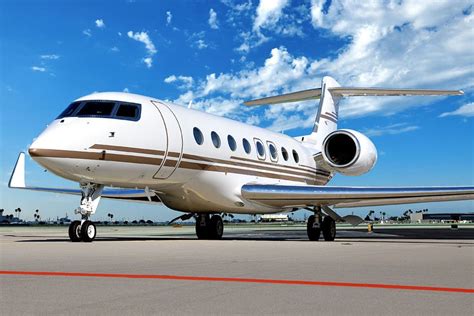
One of the most distinctive aircraft among celebrity fleets belongs to Travis Scott, whose Embraer E190 stands apart from sleek executive jets typically associated with private aviation.
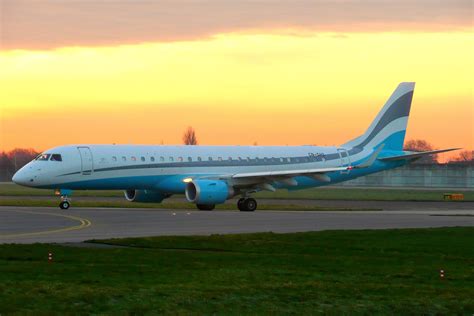
Originally designed as a regional airliner, the E190 offers a far greater passenger capacity than conventional business jets. This configuration allows Scott to transport touring teams, production crews, security personnel, and creative staff together on a single aircraft.
The numbers reflect this operational model. The aircraft has completed 419 flights totaling 577,484 miles, demonstrating how touring schedules require continuous movement between cities across North America, Europe, and Asia.
Another high-profile aviation user is Kylie Jenner, who operates a Bombardier Global 7500. This jet represents one of the newest and most advanced platforms in business aviation, offering extended range and a next-generation cabin layout.
Jenner’s aircraft has logged 416,887 miles across 271 flights, showcasing how modern celebrity enterprises—particularly those connected to fashion, beauty, and digital media—have become truly global operations.
Different Flying Styles: Frequency Versus Distance
Examining flight frequency reveals an entirely different dimension of celebrity aviation. While total mileage determines ranking positions, the number of flights often tells a more revealing story about travel patterns.
Country music star Luke Bryan holds the distinction of recording 880 flights, the highest number among the group, despite ranking lower in overall mileage. His aircraft of choice, the Learjet 60, excels at shorter domestic routes and can operate from smaller airports closer to concert venues.
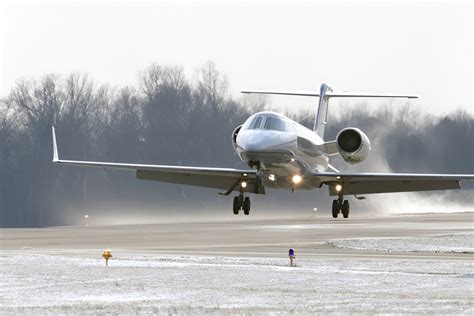
This operational style suits the demands of music touring, where artists frequently perform in multiple cities within a single week. The aircraft’s ability to access smaller regional airports reduces travel time between performances and allows flexible scheduling.
In contrast, Eric Schmidt’s jet flies fewer flights but covers far greater distances due to intercontinental missions. A single long-haul trip across the Pacific Ocean can generate more mileage than several domestic flights combined.
Another interesting case is Michael Bloomberg, who operates a Dassault Falcon 900. Known for its tri-engine configuration and strong short-runway performance, the aircraft offers a balance between range and operational flexibility.
Bloomberg’s aviation pattern reflects a hybrid travel model involving both business engagements and philanthropic activities across multiple continents.
Environmental Debate Surrounding Celebrity Private Jets
As flight tracking data becomes increasingly visible to the public, discussions surrounding the environmental impact of private aviation have intensified. The aircraft with the highest mileage naturally generate the largest carbon footprints due to fuel consumption.
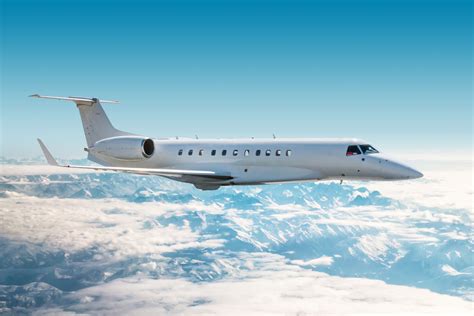
Estimates derived from fuel usage indicate that Travis Scott’s Embraer E190 produces roughly 14,775 metric tons of CO₂, the highest among the celebrity aircraft analyzed. The aircraft’s larger size and passenger capacity contribute significantly to its overall emissions.
Eric Schmidt’s Gulfstream G650 follows with more than 10,000 metric tons of CO₂, largely due to the extensive number of long-haul flights it performs.
Meanwhile, smaller aircraft such as Luke Bryan’s Learjet 60 generate comparatively lower emissions despite frequent operations because their engines consume less fuel per flight.
These statistics highlight a broader challenge facing the aviation industry: balancing the efficiency and productivity of private air travel with growing environmental concerns.
Aircraft manufacturers have already begun addressing these issues through advances in aerodynamics, engine efficiency, and sustainable aviation fuel (SAF). Many modern jets, including the Gulfstream G650 and Bombardier Global 7500, are certified to operate using SAF blends that significantly reduce lifecycle carbon emissions.
While private aviation remains a small portion of global aviation traffic, the visibility of celebrity travel has made it a focal point in environmental discussions about the future of air transport.
How Celebrity Aviation Reflects the Future of Business Jets
Beyond celebrity intrigue, these aircraft offer a preview of broader trends shaping the business aviation industry. The preferences of high-profile owners often signal technological directions that manufacturers pursue in future aircraft designs.

Three themes consistently emerge from the data.
First is the overwhelming demand for ultra-long-range capability. Aircraft capable of crossing oceans nonstop eliminate logistical complexity and dramatically reduce travel time for global operators.
Second is the emphasis on high-comfort cabin environments designed for productivity. Quiet cabins, low cabin altitudes, and advanced connectivity systems allow passengers to work seamlessly during long flights.
Third is the growing importance of operational versatility. Jets must access smaller airports, operate efficiently across varying mission profiles, and support both business and personal travel.
Manufacturers such as Gulfstream, Bombardier, Dassault, and Embraer are already competing to push these capabilities further. New aircraft designs emphasize longer range, smarter avionics, improved aerodynamics, and compatibility with sustainable aviation fuels.
The Growing Transparency of Celebrity Air Travel
One of the most significant developments influencing celebrity aviation today is the rise of public flight tracking. Digital platforms now aggregate aircraft transponder signals and publish movement data accessible to aviation enthusiasts and journalists alike.
This transparency has reshaped public understanding of how private jets are used. Instead of speculation or paparazzi sightings, detailed flight logs can reveal the scale and frequency of travel undertaken by high-profile figures.
For some celebrities, this visibility has sparked criticism, while others have embraced sustainability initiatives or carbon offset programs to mitigate environmental concerns.
Yet despite increased scrutiny, demand for private aviation continues to grow. For individuals managing global businesses, creative projects, and international commitments, private jets remain an indispensable tool for maintaining tight schedules and maximizing productivity.
A Sky Filled with Celebrity Aircraft
Taken together, the flight records of celebrity jet owners paint a fascinating portrait of modern mobility among the world’s most influential figures. From Silicon Valley executives orchestrating multinational companies to musicians transporting entire touring teams across continents, private aircraft have evolved into strategic assets rather than simple luxury vehicles.
The dominance of aircraft like the Gulfstream G650 underscores how performance, comfort, and range have become the defining factors in private jet selection. Meanwhile, larger aircraft such as the Embraer E190 reveal how certain industries require entirely different aviation solutions.
As aviation technology continues advancing—through sustainable fuels, more efficient engines, and innovative aircraft designs—the skies above major cities will likely remain filled with the distinctive silhouettes of private jets carrying some of the most recognizable names in business and entertainment.
What once symbolized exclusivity now also represents something more practical: a global transportation network for the ultra-connected world of celebrity entrepreneurship and international influence.