The global cruise industry is currently navigating turbulent waters, not merely due to weather disturbances but also because of shifting geopolitical landscapes and emerging market dynamics. Cruise chaos was narrowly averted recently in Alaska when the Celebrity Edge, a massive luxury liner, broke free from its moorings during fierce gale-force winds, posing a significant threat to both the ship and nearby vessels. Simultaneously, the Norwegian Cruise Line (NCL) made headlines in an unexpected arena—the NHL—while the backdrop of Middle Eastern evacuations added another layer of complexity to the cruise narrative. Each of these events encapsulates a broader trend within the cruise industry, illustrating how operators are adapting swiftly to challenges that range from environmental factors to humanitarian crises.
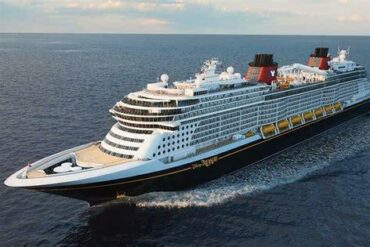
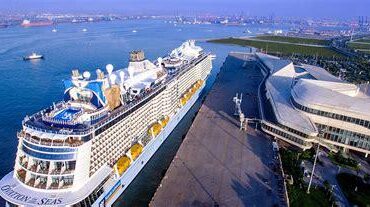
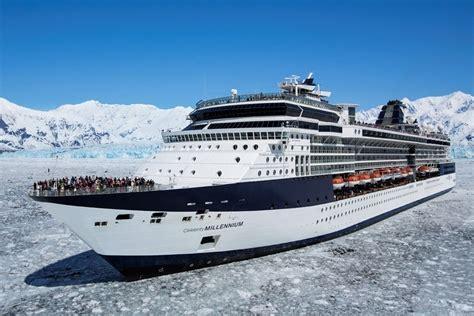
On June 16, the usually serene port of Juneau, Alaska, transformed into a scene of high alert when the Celebrity Edge, carrying thousands of passengers, suddenly broke free from its moorings due to sudden and violent winds. This incident occurred amidst the presence of four other cruise ships docked nearby, which dramatically increased the risk of multi-vessel collisions. Fortunately, the crew’s prompt and skilled maneuvering allowed them to re-secure the ship without any injuries or structural damage. Passengers, although understandably rattled by the experience, resumed their voyage just hours later, revealing both the resilience of cruise operations and the inherent risks involved in maritime travel.
This alarming event in Alaska is not an isolated incident; it reflects a troubling trend. Over the past month, at least six mooring failures have been reported across major North American ports, raising serious concerns about the increasing unpredictability of climate conditions. As Arctic tourism continues to rise, the potential for similar incidents at remote ports becomes more pronounced, prompting port authorities and cruise operators to reassess dock infrastructure and emergency protocols ahead of future storms.
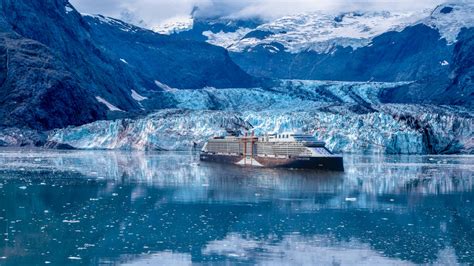
In stark contrast to the tumultuous events in Alaska, the cruise industry has also stepped into a humanitarian role amid escalating tensions in the Middle East. With hostilities flaring between Israel and Iran, a luxury cruise ship became a vital lifeline for those in need. The Crown Iris, a vessel with a long history under various banners including that of Norwegian Cruise Line, was repurposed to facilitate the evacuation of approximately 1,500 young adults participating in Birthright Israel’s heritage trip. This operation transported evacuees from Ashdod to Cyprus, effectively transforming the cruise ship into a floating safe zone, escorted by naval forces to ensure their safety.
This unexpected use of cruise ships highlights the flexible potential of maritime infrastructure in responding to global crises. It poses pressing questions for cruise lines regarding how they might need to integrate geopolitical risks into their itinerary planning moving forward. As the world becomes increasingly interconnected, the cruise industry must navigate not only the allure of travel but also the complexities of global conflict.
Meanwhile, on the other side of the spectrum, Norwegian Cruise Line is making waves far from the ocean by tapping into the excitement of the NHL. In an unprecedented move, NCL has launched a digital advertising campaign that appears during the Stanley Cup Finals, showcasing Caribbean cruises to a broader audience. This strategic partnership with the NHL marks a significant shift in NCL’s marketing approach, as they aim to diversify their visibility beyond traditional travel avenues. The campaign, which features ads broadcast via ESPN and TNT, has generated substantial buzz, particularly appealing to younger, adventure-seeking demographics, notably Gen Z and Millennials, who are now the fastest-growing segments booking cruises.
However, despite this innovative marketing strategy, the cruise industry is not impervious to broader economic pressures. On Tuesday, cruise stocks experienced a dip, with Norwegian down 2% to $18.13, while competitors like Viking and Carnival also faced losses. Analysts attribute this downturn to a combination of rising fuel prices, unpredictable weather incidents like the one in Juneau, and geopolitical instability, all of which weigh heavily on traveler confidence.
This recent series of events—from the Celebrity Edge’s close call in Alaska to the humanitarian role played by Crown Iris and Norwegian’s bold branding initiative—serves as a wake-up call for the cruise industry. It reveals a volatile balancing act that operators must maintain in an increasingly complex world. The implications of these stories extend beyond individual incidents; they underscore a pivotal moment for the cruise sector as it grapples with the realities of modern travel.
Infrastructure Needs Modernization: The rising frequency of extreme weather events necessitates that ports, especially in high-traffic areas like Alaska, reevaluate their design and resilience against new climate norms.
Cruise Lines as Humanitarian Assets: In light of recent events, governments may start viewing cruise ships not merely as leisure vessels but as essential tools for emergency evacuations or medical support in crisis zones.
Market Branding Matters: NCL’s innovative strategy in collaborating with the NHL indicates that cruise lines must become increasingly creative in their marketing efforts to maintain consumer trust and visibility in a crowded marketplace.
Looking ahead, the cruise sector faces a myriad of challenges as it adapts to an environment fraught with uncertainty. With hurricane season approaching and geopolitical tensions on the rise, cruise companies must innovate to stay afloat—both literally and metaphorically. Anticipate a surge in investments towards AI-powered weather prediction tools, enhanced risk management partnerships, and dynamic route planning that can pivot mid-voyage.
Travelers are likely to demand greater transparency regarding safety protocols, emergency drills, and refund flexibility during uncertain times. Additionally, travel advisors, insurance companies, and tourism boards will need to adjust quickly to this evolving landscape, as the narrative surrounding cruise travel shifts from one of fantasy and escape to one that prioritizes real-time crisis management.
As the cruise industry navigates this new era, it is evident that smooth seas can no longer be taken for granted. The resilience demonstrated in responding to challenges such as the chaotic events in Alaska and the humanitarian efforts in the Middle East may well shape the future of travel at sea. The dream of exploring the world aboard a cruise ship remains alive, yet it comes with heightened responsibilities and considerations for both operators and travelers alike.