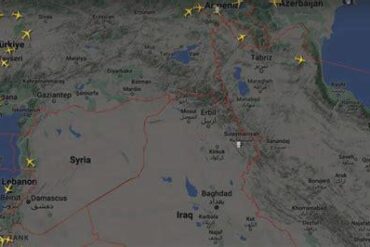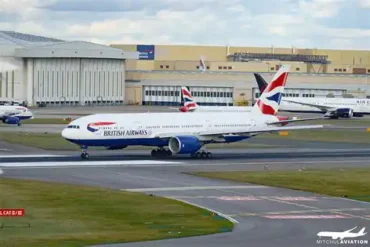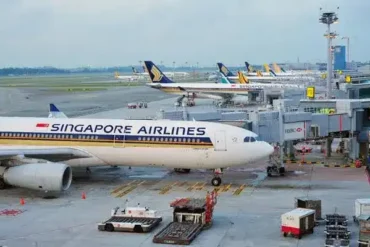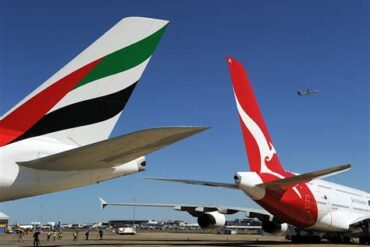
In the wake of a fragile ceasefire in the Middle East, Australia, Greece, Iran, and the United States are grappling with an unprecedented level of flight chaos that has left travelers in disarray. While the cessation of hostilities between Israel and Iran has momentarily alleviated some tensions, it has not resolved the extensive logistical challenges that continue to plague major transit hubs such as Doha, Dubai, Abu Dhabi, and Istanbul. As airlines scramble to navigate through lingering airspace restrictions and operational strains, passengers find themselves facing significant disruptions that threaten to derail their travel plans.
Current State of Air Travel
Despite the promise of a ceasefire, the aviation sector is still experiencing widespread complications. Key flight corridors remain closed or limited due to security concerns, which has led to a ripple effect of flight cancellations, delays, and re-routed itineraries. For travelers departing from Australia, particularly those flying to destinations in Europe, the situation has become increasingly complex. Airlines like Emirates, Qatar Airways, and Etihad Airways are cautiously reinstating routes, yet the overall travel experience remains far from seamless.
Passengers have reported a multitude of issues, including extended layovers and unexpected detours, which have dramatically increased travel expenses. One particularly illustrative incident involved a traveler departing from Sydney, whose connection in Abu Dhabi was rescheduled just one day before her flight. This last-minute change split her itinerary into two separate bookings, leaving her unsure if she would even have a seat on the second leg of her journey. Such instances highlight the fragility of the current recovery in air travel and the challenges faced by those reliant on Gulf-based airlines for long-haul connections.
Challenges Faced by Airlines and Passengers
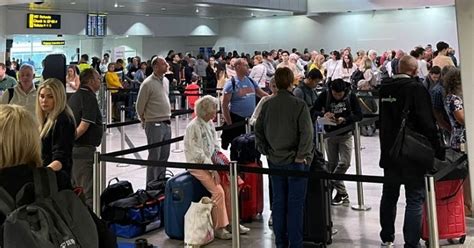
The recent escalation of conflicts, such as the Iranian missile strikes near military installations in Qatar, has prompted temporary airspace restrictions across the Gulf region. As regional governments close access to vital flight corridors, airlines are left scrambling to manage the fallout. Hundreds of flights have been delayed or rerouted, creating a backlog that carriers are still struggling to resolve.
Major airlines, including Qatar Airways, have acknowledged the difficulties in restoring their schedules, while expressing optimism for a gradual return to normalcy by late June. However, as passenger volumes surge with the onset of summer travel, the timing of these disruptions has exacerbated the challenges faced by both airlines and travelers.
Travelers with tight layovers, especially those heading to destinations like Greece, Cyprus, or the Balkans, are particularly vulnerable to these ongoing complications. Many low-cost and long-haul tickets are sold as separate bookings, meaning that any alteration to one leg of the journey can render subsequent connections non-guaranteed. This has resulted in not just delays but also financial losses from missed flights, hotel bookings, and change fees.
Responses from Airlines
In response to the chaos, airlines have adopted various strategies to mitigate the impact on their customers. Some have rolled out travel waivers that allow passengers to rebook without incurring additional costs. Others have extended their customer service hours and launched online platforms for faster support. However, discrepancies in policies regarding non-flexible tickets have led to frustration among travelers, especially those unfamiliar with the complexities of multi-leg itineraries.
The inconsistency in how different carriers handle the crisis has further complicated matters for passengers who are already under considerable stress. Travelers are advised to remain vigilant about their booking conditions and to check for updates regularly.
The Role of Travel Insurance
As the situation continues to evolve, travel insurance has emerged as a critical concern. Many standard policies exclude coverage for events related to war, terrorism, or political conflict. Consequently, passengers who did not opt for comprehensive coverage are now discovering that their options for recourse are severely limited. Travelers are strongly encouraged to scrutinize their insurance documents, verify coverage for geopolitical disruptions, and consider purchasing additional protections for high-risk regions.
Future Outlook: A Fluid Situation
Security analysts have cautioned that although the recent ceasefire has temporarily eased airspace disruptions, the overall environment remains precarious. Tensions in the region are prone to flare up again, and travelers may face renewed delays or closures with little warning. Ongoing military activities, strained diplomatic ties, and a volatile security climate could trigger future interruptions, leaving passengers in a state of uncertainty.
For those planning to travel, proactive measures are essential. Monitoring airline updates, registering travel with government advisory services, and avoiding short layovers through conflict-prone areas can help mitigate risks. Where feasible, travelers should opt for flexible tickets or ensure that all legs of their journey are booked under a single itinerary.
Practical Tips for Travelers
For individuals currently in transit or preparing for departure, having access to emergency funds, alternative routes, and backup accommodations can be invaluable in the event of extended delays. Utilizing airline apps or third-party services to track real-time changes can offer quicker access to rebooking options than waiting on customer service lines.
Ultimately, the ongoing turbulence in the Middle East serves as a stark reminder of how quickly geopolitical tensions can disrupt global travel. For both travelers and airlines, flexibility and preparation are paramount. Carriers operating in the region must enhance their internal systems to manage rebookings effectively and maintain clear communication with passengers. Timely updates, transparent policies, and responsive customer care can significantly alleviate stress and contribute to a smoother travel experience, even amidst uncertainty.
As the international travel landscape continues to evolve, Australia, Greece, Iran, and the US must navigate the ongoing challenges posed by a partially restored airspace. Until the skies over the Middle East are fully stabilized, travelers will need to remain alert, adaptable, and patient as they traverse one of the world’s most strategically sensitive air corridors.