Russia’s Largest Drone Barrage Signals Tactical Escalation Before Key Diplomatic Call
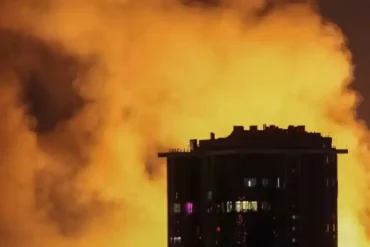
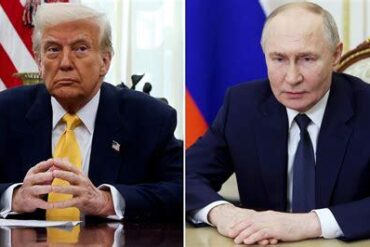
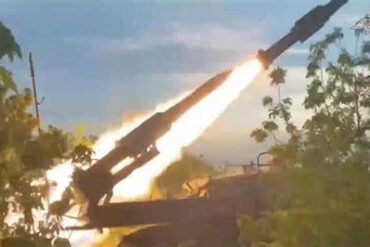
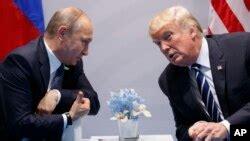
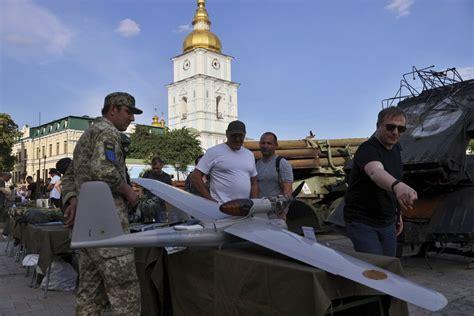
In an unprecedented show of force, Russia launched 273 drones across Ukrainian territory on Sunday, marking the largest drone attack since the start of the full-scale invasion in 2022. The massive aerial offensive came just 24 hours before a highly anticipated call between former U.S. President Donald Trump and Russian President Vladimir Putin, during which an urgent ceasefire proposal is expected to be discussed.
According to Ukraine’s Air Force, the drone bombardment surpassed all previous records, eclipsing even the February offensive launched on the war’s third anniversary. The assault, which triggered prolonged air raid sirens throughout the night, devastated homes, terrorized civilians, and claimed the life of at least one woman, with others injured—including a four-year-old child.
Kyiv Struck as Civilians Scramble for Safety
In the Obukhiv region west of Kyiv, 44-year-old Natalia Piven shared her harrowing experience. After receiving a late-night air raid warning, she and her son sought shelter in a cellar. They barely survived the first wave of drones. Later, as they fled to a nearby kindergarten bomb shelter, a second drone wave destroyed their family home.
“I could clearly hear the drone flying right towards my house,” said Piven, visibly shaken. Her neighbor, a 28-year-old woman, was killed in the strike. Emergency responders reported three additional injuries, highlighting the human toll of this new phase of aerial warfare.
The coordinated drone onslaught, characterized by swarms of Iranian-made Shahed drones, underscores a disturbing shift in Russian strategy—maximizing psychological and infrastructural damage ahead of diplomatic efforts to halt the war.
Zelenskiy Meets U.S. Delegation Amid Diplomatic Crossroads
As drones darkened Ukrainian skies, President Volodymyr Zelenskiy was in Rome, working to salvage relations with Washington following a strained White House visit in February. On the sidelines of Pope Leo’s inauguration, Zelenskiy met with U.S. Vice President JD Vance and Secretary of State Marco Rubio.
The 40-minute meeting was characterized by cordial optics—Ukrainian and American officials seated at a round outdoor table, smiling for cameras—but behind the scenes, stakes were high. Zelenskiy reportedly emphasized Ukraine’s willingness to engage in real diplomacy and reiterated his acceptance of a full, unconditional ceasefire.
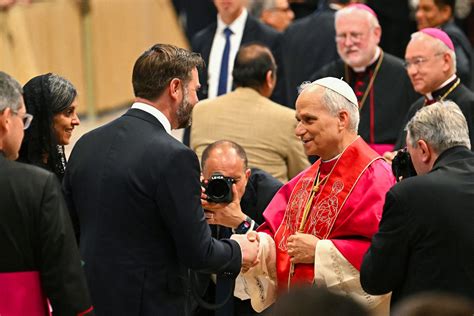
The Ukrainian leader also met with the newly appointed pope, signaling a broad push to engage influential Western voices at a time when momentum for peace negotiations appears fragile yet imminent.
Peace Talks Stalled Amid Uncompromising Demands
Efforts to broker peace resumed last Friday with the first face-to-face talks between Ukraine and Russia in over three years. The session, initiated under pressure from Trump, produced an agreement on a prisoner exchange of 1,000 detainees per side, but failed to yield a ceasefire.
Ukrainian officials described Moscow’s conditions—which included demands that Ukraine cede territory, halt arms imports, and adopt a neutral military status—as “non-starters.” Kyiv’s delegation insists these requirements amount to capitulation, leaving Ukraine vulnerable and defenseless.
Despite the impasse, the diplomatic push continues. German Chancellor Friedrich Merz confirmed that the leaders of France, Germany, Britain, and Poland plan to speak with Trump ahead of his call with Putin, hoping to shape U.S. policy in favor of stronger sanctions and sustained support for Ukraine.
Trump Poised to Reframe U.S. Strategy on Ukraine
Trump, whose foreign policy approach has notably diverged from his predecessors, has shifted the American narrative—from unequivocal support for Ukraine to a more accommodating tone toward Moscow. Nonetheless, his team has made it clear that Russia must come to the negotiating table in good faith.
“President Trump has made it very clear, that if President Putin does not negotiate in good faith, the United States will not hesitate to up the Russia sanctions along with our European partners,” a senior Trump advisor stated.
Treasury Secretary Scott Bessent, when asked whether new sanctions were imminent, demurred: “We’ll see what happens when both sides get to the table.”
These remarks highlight the fluid nature of U.S. policy heading into the Trump-Putin call, scheduled for Monday. European allies are closely monitoring developments, hoping to avoid a policy divergence that could embolden Moscow.
Moscow’s Psychological Tactics and Ballistic Threats
In addition to drone warfare, Ukraine’s intelligence service has accused Russia of preparing to launch an intercontinental ballistic missile (ICBM) later on Sunday. While Moscow has not officially responded, Kyiv asserts this maneuver is intended to intimidate the West and disrupt ceasefire momentum.
The psychological dimensions of this threat cannot be understated. Such posturing not only exacerbates public fear but also undermines confidence in the potential effectiveness of diplomacy, particularly at a moment when ceasefire negotiations are gaining traction.
Europe’s Role and the Battle for Influence
The European Union is walking a diplomatic tightrope, navigating between urging Trump to support continued pressure on Russia and preparing contingencies should the U.S. pivot toward compromise. Europe’s leaders, especially those of frontline states like Poland and Germany, have reiterated that any ceasefire must include respect for Ukraine’s sovereignty and territorial integrity.
There is growing concern that a hasty or one-sided truce could freeze the conflict without resolving core issues, effectively legitimizing Russia’s territorial claims and diminishing Western leverage.
In this context, Europe’s unified stance in talks with Trump could be a crucial factor in shaping the outcome of Monday’s call—and possibly, the future of the war itself.
Civilian Resolve Amid Escalating Chaos
For Ukrainians, the latest drone assault is not just a military escalation but a vivid reminder of the relentless vulnerability they face daily. In urban and rural communities alike, families continue to adapt to life under siege—building shelters, rationing power, and coping with trauma.
The scale of Sunday’s drone attack, with 273 aerial units, highlights how Russia is evolving its tactics to maintain pressure while reducing its own exposure. The drone strategy enables long-range harassment at a lower cost than missile barrages, and it increasingly defines the rhythm of civilian life in wartime Ukraine.
Still, the resilience of ordinary Ukrainians remains unbroken. Even in the ruins of Obukhiv, locals began clearing debris and comforting one another, determined to rebuild.
Outlook: Ceasefire or Strategic Delay?
The central question looming over Monday’s Trump-Putin call is whether both sides will seize the moment or use diplomacy as strategic theater. Kyiv has signaled its readiness for an immediate 30-day ceasefire with no preconditions. Moscow, on the other hand, continues to attach demands that Kyiv and its allies view as unacceptable.
Trump’s upcoming engagement with both Zelenskiy and Putin could either ignite a fragile diplomatic path or reinforce the current stalemate. With drone attacks escalating and Europe anxious to prevent a frozen conflict, the stakes have rarely been higher.
Whatever unfolds, Sunday’s events underscore a hard truth: the war is far from over, and the path to peace—if it emerges at all—will require bold leadership, compromise, and unwavering attention to the human cost being paid every day on the ground in Ukraine.