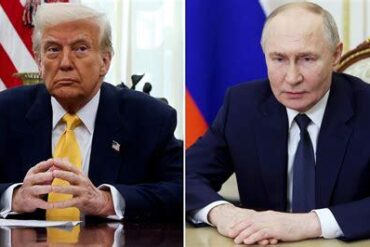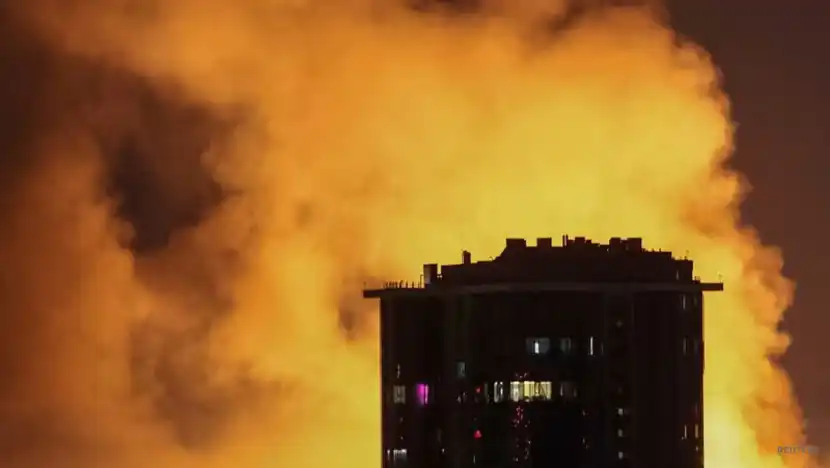
US President Donald Trump has unleashed sharp criticism toward Russian President Vladimir Putin following what is being described as Russia’s largest missile and drone strike on Ukraine since the beginning of the war in 2022. The unprecedented aerial assault triggered widespread panic, destruction, and heightened diplomatic tensions, prompting Trump to hint at renewed US sanctions against Moscow.
Trump-Putin Call Ends in Hostility
President Trump confirmed on Friday, July 4, that he had held a tense telephone conversation with Putin that produced no diplomatic progress. “He wants to go all the way, just keep killing people, it’s no good,” Trump said during a press briefing at the White House, characterizing Putin’s attitude as relentless and unyielding.
Trump indicated that sanctions were a prominent topic in the discussion, stating, “We talked about sanctions a lot. He understands that it may be coming.” The call, which took place shortly before the attack commenced, failed to deter Russia’s operations, leading to renewed concerns about Putin’s willingness to escalate the conflict.
Russia Unleashes Largest Coordinated Strike on Ukraine
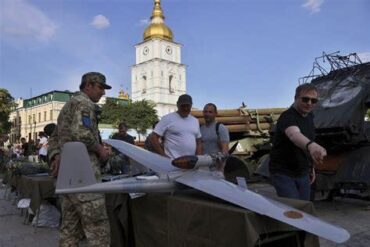
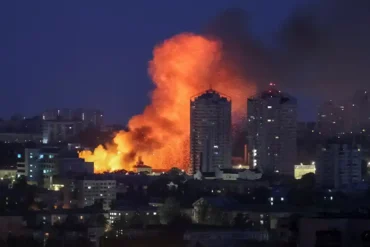
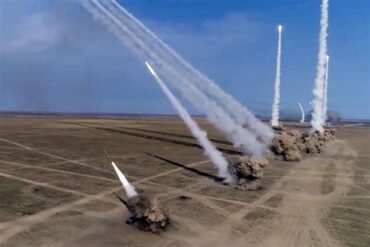
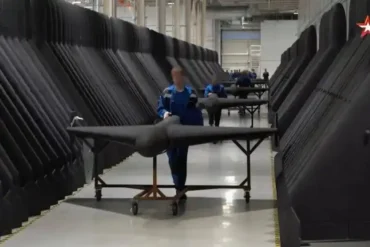
In the early hours of Friday, Russia launched a massive air offensive involving 539 drones and 11 missiles, targeting multiple Ukrainian cities. According to Ukraine’s air force, this marks the largest single air attack since the start of the war, both in scale and intensity.
Residents across Kyiv, Dnipro, and Zaporizhzhia reported hours of relentless bombardment. In Kyiv, air raid sirens blared throughout the night, forcing thousands into underground metro stations turned bomb shelters. Ukrainian emergency services reported that 26 civilians were injured, and one person was rescued from rubble in the capital.
Civilians Recount Unrelenting Fear
In interviews with AFP, Kyiv locals described the terror that gripped the city. Tymur, a resident who had endured several previous strikes, said, “Nothing like this attack had ever happened before. There have never been so many explosions.”
Yuliia Golovnina, 47, said she now sleeps near the metro to be ready when the sirens come. “Will something collapse on you? You just hold your breath and wait to see what happens next,” she said, describing the emotional toll.
Zelensky and Trump Reaffirm Air Defense Cooperation
Ukrainian President Volodymyr Zelensky held a separate call with Trump following the strikes. He reported a mutual commitment to enhancing Ukraine’s air defense capabilities. “We spoke about opportunities in air defense and agreed that we will work together to strengthen the protection of our skies,” Zelensky wrote on social media.
Ukraine has been actively pleading for more advanced air defense systems, especially amid concerns over reduced US military aid. The Biden administration recently announced a partial cut in defense shipments, citing logistical constraints and resource prioritization.
Kremlin Insists on ‘Special Operation’ Despite Escalation
Despite the brutal scale of the latest attack, Kremlin spokesperson Dmitry Peskov reiterated Moscow’s position, stating that Russia still prefers a political and diplomatic resolution. “But as long as that is not possible, we are continuing the special operation,” he told reporters in Moscow.
This position highlights Russia’s enduring narrative that frames its invasion as a strategic necessity rather than an act of aggression. Peskov’s remarks, delivered just hours after the strikes, underscore the disconnect between Russia’s diplomatic posturing and its actions on the battlefield.
Polish Embassy Struck, Regional Fallout Grows
International repercussions followed swiftly. Poland confirmed its embassy in Kyiv was damaged during the attack, though no injuries were reported among staff. The incident has reignited fears that NATO member countries and foreign missions in Ukraine may increasingly become collateral in Russia’s expanding air campaign.
In Dnipro and Eastern Ukraine, at least three additional injuries were reported from drone and artillery attacks, according to regional governor Sergiy Lysak.
Trump Signals Shift in Tone, Weighs Sanctions
Trump’s unfiltered remarks suggest a sharp pivot in his rhetoric on Russia, long criticized as overly accommodating toward Putin. His blunt statement—“He wants to go all the way”—signifies a deep frustration that could manifest in concrete policy moves.
White House insiders noted that Trump is weighing a package of sanctions, including financial restrictions on Russian energy exports and expanded asset freezes targeting Kremlin-aligned oligarchs. If implemented, these measures could mark the most significant US escalation in months.
“Trump is furious. He feels Putin crossed a line, not just strategically but personally,” one senior administration official said anonymously.
Ukraine’s Counterattacks Deepen Russia’s Domestic Toll
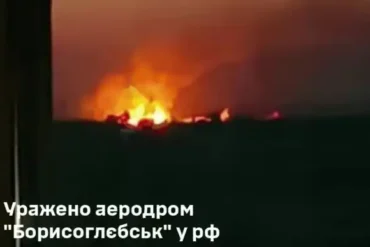
Amid Russia’s aggressive push, Ukraine has also stepped up retaliatory drone strikes on Russian territory. In the Rostov region, a Ukrainian drone reportedly killed one woman overnight, according to the acting governor. This underscores the increasingly reciprocal nature of the conflict, with Ukrainian strikes reaching deeper into Russian soil.
Military analysts believe Ukraine’s asymmetric tactics are meant to counterbalance Russia’s superior missile stockpile. However, they caution that these moves could trigger unpredictable escalations, especially as ceasefire talks remain frozen.
Stalled Peace Talks and Prisoner Swap Symbolism
While the U.S. had previously led efforts to broker a ceasefire, direct peace negotiations between Kyiv and Moscow have not resumed in over a month. The last major breakthrough came during an agreement to exchange 1,000 prisoners of war on each side.
On Friday, Russia confirmed another round of POW swaps, which analysts interpret as symbolic gestures rather than substantive progress toward ending the conflict. “They want the optics of diplomacy without the commitment,” said one EU diplomat in Brussels.
European Union Urged to ‘Step Up’
The scale of the attack has amplified calls for greater European involvement. European Commission President Ursula von der Leyen called on the EU to “step up its efforts” in both humanitarian and military aid to Ukraine, as US resolve appears uncertain.
With America signaling a recalibration of its support, European capitals are now reassessing their roles in maintaining Ukraine’s resistance.
An Unmistakable Message: Putin Is Not Backing Down
The timing and scale of the assault send an unmistakable message: Putin is determined to escalate even amid dwindling diplomatic channels. The Kremlin’s calculation seems driven by a belief that Western unity is fraying—an assumption Trump’s comments and wavering aid might inadvertently reinforce.
However, Trump’s overt dissatisfaction with Putin could mark a turning point in U.S. posture. If his administration follows through on proposed sanctions, the geopolitical landscape could shift significantly.
Conclusion: A Dangerous New Phase
The massive overnight strikes, Trump’s angry rhetoric, and a possible shift in US policy all point toward a dangerous new phase in the Ukraine conflict. With diplomacy on ice, civilians under siege, and leadership in Washington signaling a tougher stance, the weeks ahead may define the future course of this devastating war.
Whether this marks a momentary peak or the beginning of even greater escalations depends largely on the decisions made in Washington, Moscow, and Kyiv—and how the international community responds to Russia’s calculated aggression.