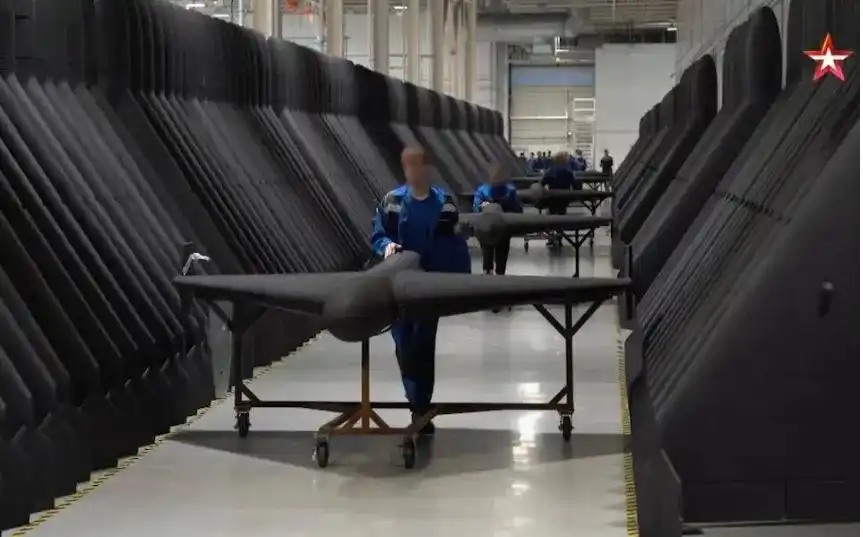
In a bold display of industrial might and wartime escalation, Russia has unveiled what it claims to be the world’s largest drone manufacturing facility, signaling a dangerous new phase in the ongoing conflict with Ukraine. The drone factory, located in Yelabuga, in the Russian republic of Tatarstan, has captured global attention not only for its scale but for its chilling implications: the ability to unleash up to 2,000 unmanned aerial vehicles (UAVs) in a single night.
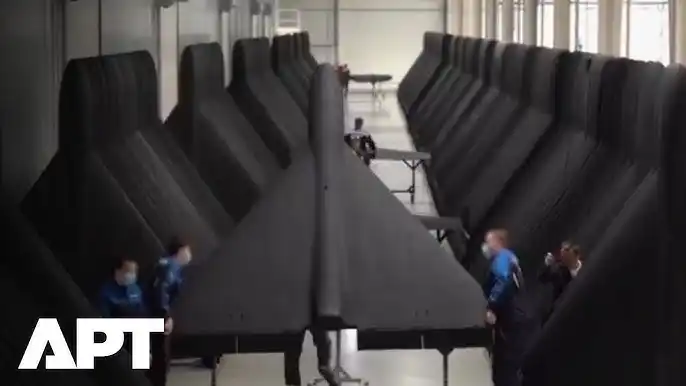
Inside Yelabuga: Russia’s Gigafactory of Destruction
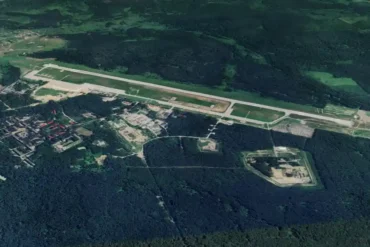
The Yelabuga drone facility is situated approximately 1,100 kilometers from the Ukrainian border, far from the frontlines but central to Russia’s new strategy of industrialized drone warfare. Once envisioned as a special economic zone to promote technology and science, Yelabuga has transformed into a factory of war, churning out deadly kamikaze drones on an unprecedented scale.
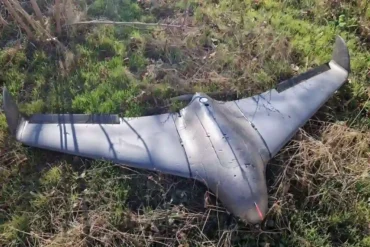
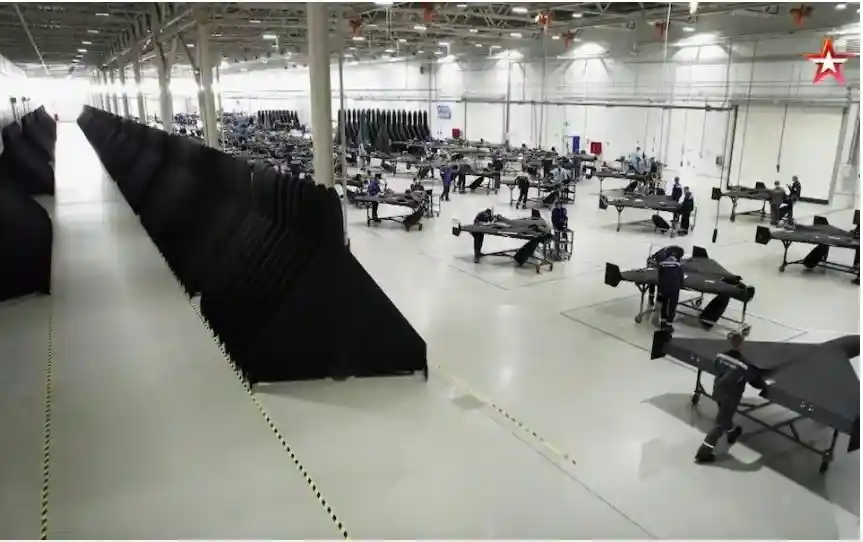
Russian state TV channel Zvezda, affiliated with the Ministry of Defense, recently aired a rare video from inside the facility. The footage shows massive production lines filled with rows of matte-black Geran-2 drones, Russia’s licensed variant of the Iranian Shahed-136. These UAVs are purpose-built for long-range precision strikes and are becoming the signature weapon of Russia’s night-time raids.
The somber tone of the visuals is amplified by the youthful appearance of many of the factory workers — most reportedly teenagers. The camera pans over blacksmith workshops, testing bays, and assembly lines, showcasing a fully self-sufficient military-industrial ecosystem operating around the clock.
From Dozens to Thousands: Russia’s Explosive Growth in UAV Output
Russia’s drone capabilities have evolved rapidly. According to state sources, the Yelabuga factory alone produced more than 18,000 Geran-2 drones in the first half of 2025. Across the country, the Kremlin is aggressively replicating the Yelabuga model to scale production.
President Vladimir Putin has allegedly given direct orders to establish similar drone factories nationwide, in a bid to reach and sustain monthly outputs of 5,000 long-range drones — a figure that, if scaled properly, would make drone saturation Russia’s primary method of warfare.
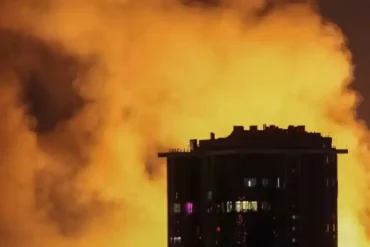
This production is already reshaping the battlefield. Over the last three months, Russia has launched over 400 drones in a single night multiple times, turning nightly UAV bombardments into a new norm rather than an exception. The tempo of operations has drastically intensified:
- July 4: 539 drones, 11 missiles
- July 9: 728 drones, 13 missiles (a record)
- July 12: 597 drones, 26 missiles
- July 16: 400 drones, 1 ballistic missile
In July alone, Russia launched over 4,929 drones and 148 missiles into Ukraine — an average of 234 drones per day. This rate of escalation is nearly double that of May, which saw an average of just 124 drones per day.
Why Geran-2 is Russia’s Drone of Choice
The Geran-2 drone has emerged as the linchpin of Russia’s aerial campaign. Based on Iran’s Shahed-136, it is a loitering munition — a type of UAV that cruises at low altitudes, locks onto targets, and detonates on impact.
Key attributes include:
- Low production cost (estimated at $20,000–$30,000 per unit)
- High endurance and ability to cover hundreds of kilometers
- Infrared and night-time stealth design, optimized by the matte-black paint
- Simple mechanics, allowing for mass production and rapid deployment
This low-cost, high-volume model is the cornerstone of what military analysts are calling “attrition-by-drone” warfare — a strategy designed to exhaust Ukrainian air defenses not through precision, but through sheer volume.
Drone Barrage as Psychological Warfare
More than just a tactical shift, Russia’s drone saturation represents a deliberate psychological and strategic campaign. Analysts from the Institute for the Study of War (ISW) and the Lowy Institute assert that the primary objective of these nightly drone swarms is not territorial gain, but psychological collapse.
The incessant noise, frequent blackouts, and unpredictable destruction have created a state of chronic anxiety in Ukrainian cities like Kyiv, Lviv, and Kharkiv. Ukrainian civilians live in constant fear of the buzzing terror above, while air defense units suffer from fatigue and burnout.
Western officials warn that Russia’s focus is now aimed at breaking the morale of the Ukrainian population and undermining international support for Kyiv. The tactic is a chilling echo of the WWII Blitz — but one that has already lasted longer.
The Imminent Threat: 2,000 Drones in a Single Night
The stakes may soon grow dramatically higher. Germany’s Major General Christian Freuding recently revealed that intelligence assessments suggest Russia is preparing for single-night attacks involving up to 2,000 drones.
Backed by exponential manufacturing growth, and given the Yelabuga model’s success, this projection appears feasible. The ISW also corroborates this, predicting such capabilities could be achieved as early as November 2025.
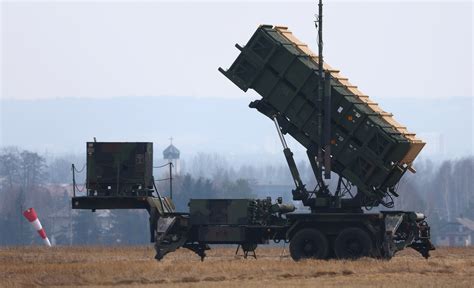
A 2,000-drone swarm would overwhelm even the most sophisticated air defense systems. Ukrainian interceptors are already struggling with current attack volumes. The logistics of intercepting hundreds of low-cost drones — especially when many are decoys — are pushing systems like NASAMS, IRIS-T, and even the Patriot missile system to their limits.
The Economic Dilemma: $2 Million Missiles vs $20K Drones
Western military support, particularly the provision of Patriot batteries, is under scrutiny due to the cost asymmetry in these engagements. Using a $2 million interceptor missile to down a $20,000 Geran-2 is not economically viable in the long term.
Experts from the Center for Strategic and International Studies (CSIS) argue that Russia’s shift to low-cost saturation warfare forces a strategic pivot in Western defense design. Nations must now focus on developing affordable, scalable counter-drone technologies — from jamming systems and directed-energy weapons to automated gun systems with AI targeting.
Why NATO May Struggle to Keep Up
Yelabuga’s revelation also raises larger questions about the balance of industrial power. NATO’s strategic advantage has traditionally rested on high-end, precision weaponry. But Russia’s pivot to industrial-scale drone warfare — leveraging cheap labor, simplified engineering, and abundant raw materials — is flipping this calculus.
The sheer volume of production, even if technologically inferior, allows Russia to gain tactical advantages and apply consistent pressure on Ukrainian defenses. It’s an economic war of attrition, and in this game, low-cost saturation can beat high-cost precision.
Global Consequences: Exporting the Drone Doctrine
Russia’s drone factory model could have ripple effects beyond Ukraine. Already, Moscow is believed to be exporting this mass-production blueprint to allied regimes and proxy groups in the Middle East and Africa.
Moreover, if this model proves successful, it may inspire other militaries to adopt similar drone-first doctrines — potentially leading to a new era of low-cost, high-volume autonomous warfare that changes how future wars are fought.
From Yelabuga to Kyiv, Russia is laying down a gauntlet not just for Ukraine, but for the entire international order. The coming months may determine whether the world can withstand a warfare model built on drone floods — or whether 2,000 unmanned nightmares a night will become the new normal of modern conflict.