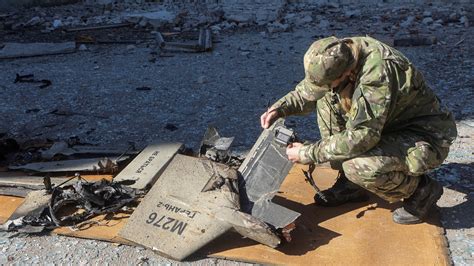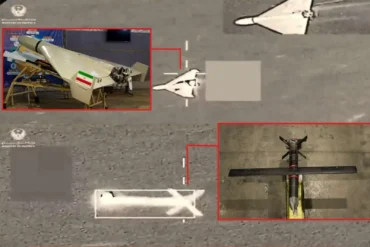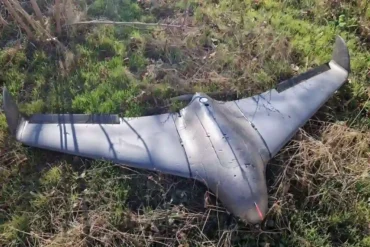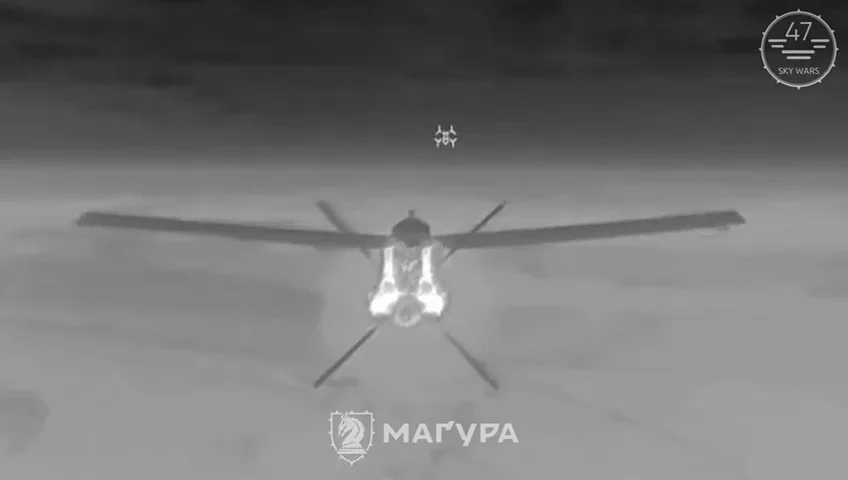
On December 30, 2025, Ukraine’s battlefield saw a new chapter in drone warfare as a STING interceptor drone successfully neutralized a Shahed-107, the latest Iranian-made kamikaze UAV now in service with Russian forces. The takedown, confirmed by the Ukrainian volunteer group Wild Hornets, marks the first documented destruction of the Shahed-107 in live combat, carried out by the 47th Separate Mechanized Brigade “Magura.”
The Shahed-107: Iran’s Evolving Arsenal in the Skies
Unveiled by Iran in June 2025, the Shahed-107 represents the latest evolution in a long line of loitering munitions exported to conflict zones. Initially described by Sky News in early 2024 as a reconnaissance and strike UAV, the drone was believed to be engineered for locating and destroying high-value battlefield targets.
This drone’s hybrid nature—a fusion of surveillance and offensive functionality—raises its strategic value. Real-time video transmission capability enables it to identify targets such as HIMARS systems or mobile air defense batteries and perform precision strikes with surgical accuracy.
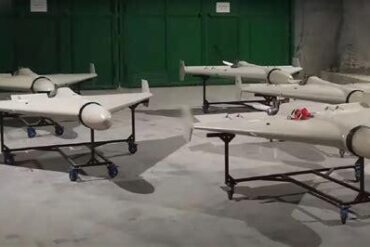
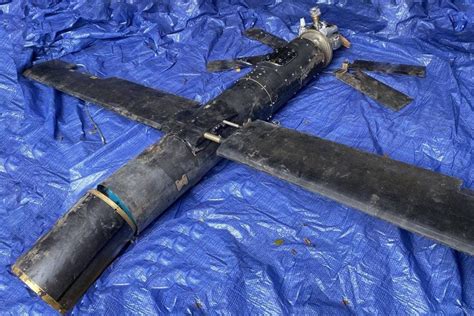
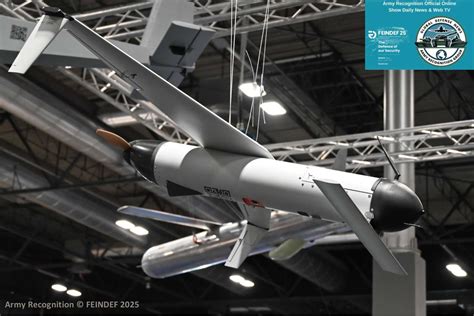
The Shahed-107’s X-shaped tail fins, cylindrical fuselage, and rectangular mid-mounted wings distinguish its aerodynamic design. It likely uses a Chinese-made DLE 111 two-stroke piston engine, giving it a thermal and acoustic signature but also significantly extending its range. Estimates suggest a maximum range between 300 to 800 kilometers and a cruising speed of 120 km/h.
Technology Under the Hood: Navigating Warzones with Precision
Equipped with a 4-element CRPA (Controlled Reception Pattern Antenna) system and inertial navigation modules (IMUs), the Shahed-107 was built to withstand electronic warfare interference, a significant factor on the Ukrainian front. Although not immune to jamming, the inclusion of such tech demonstrates Tehran’s investment in creating resilient, GPS-denied combat solutions.
Moreover, its carbon fiber body reinforced by aluminum structural supports lends it a balance of lightweight agility and structural durability. The drone can carry a warhead weighing 8–9 kilograms, tailored for precision disruption of key assets rather than large-scale area bombing.
Russia’s Drone War Strategy and Shahed Expansion
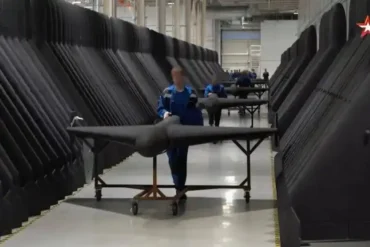
Iranian drones have become an integral component of Russia’s arsenal in Ukraine. The Shahed-136, rebranded locally as Geran-2, has already set a precedent with its widespread use in energy infrastructure attacks, and the Shahed-107 is a natural evolution in this strategy.
These low-cost, mass-produced drones have shifted the dynamics of aerial warfare. By launching them in swarms, Russia overwhelms traditional missile-based air defenses. The emergence of new types such as the Shahed-238, a jet-powered variant, and the Shahed-131—a smaller loitering munition—shows that Iranian UAV design is iterative and responsive, using Ukraine as a proving ground.
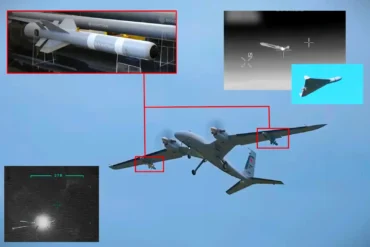
In a significant escalation, Russia has even modified Shahed-136 drones to carry R-60 Soviet-era air-to-air missiles, extending their utility against manned aircraft and potentially other drones.
STING Interceptor Drone: Ukraine’s Cost-Effective Answer
In response, Ukraine has pivoted to drone-on-drone warfare, adopting interceptor FPV (First Person View) drones as a scalable, economically viable air defense solution. The STING drone, a brainchild of the Wild Hornets NGO, exemplifies this shift.
Designed to counter kamikaze UAVs like the Shahed-136 and Shahed-107, the STING is operated manually using VR headsets or monitor displays, often with AI-assisted targeting. Deployed rapidly into production in 2025, it is now mass-manufactured and deployed across defensive layers, offering a $1,000 solution to a multi-million dollar threat.
Its Hornet Vision thermal camera system ensures precise nighttime targeting, allowing Ukrainian operators to track, pursue, and destroy drones mid-flight. The downing of the Shahed-107 confirms that this system is not only viable but increasingly essential in contested airspace.
Tactical Implications: Ukraine Flips the Script
The destruction of the Shahed-107 by an interceptor drone shifts the operational calculus of the battlefield. Where Ukraine once depleted expensive surface-to-air missile inventories on disposable drones, they now field disposable drone defenders, creating a balance of attrition in their favor.
This cost parity is vital as Ukraine faces frequent and coordinated aerial assaults, often during night-time hours, targeting critical infrastructure, logistics routes, and mobile command posts. STING drones represent asymmetric innovation, matching technological ingenuity with grassroots manufacturing and volunteer-driven warfare.
Moreover, the public footage of the downing provides a psychological boost and a propaganda victory for Kyiv, countering the fear narrative associated with Iran’s “unstoppable” kamikaze drones.
Iran’s Drone Diplomacy and Geopolitical Ramifications
The export of Shahed-107 drones to Russia underscores Tehran’s broader goal of drone diplomacy—projecting influence through low-cost, high-impact aerial technology. For Iran, Ukraine becomes a testing ground and a sales pitch rolled into one, with successful deployments serving as proof of concept for future exports.
Russia’s local production of Shaheds, reportedly under joint venture agreements, signifies a deepening military-industrial alliance between Moscow and Tehran. This has implications for NATO-aligned defense planning, potentially pushing European states to ramp up both electronic warfare capabilities and UAV development programs.
Future of the Skies: Drones, Defense, and Deterrence
The Shahed-107’s combat debut and swift interception by Ukraine’s STING system symbolize a turning point in the evolution of drone warfare. What began as cheap suicide drones for saturation attacks has now escalated into complex duels between autonomous and semi-autonomous aerial platforms.
For Ukraine, victory lies in its ability to out-adapt. Interceptor drones like STING represent that adaptability—not just in tech, but in doctrine, logistics, and morale. As both sides escalate, the skies above Ukraine remain contested territory, but one where ingenuity may trump brute force.