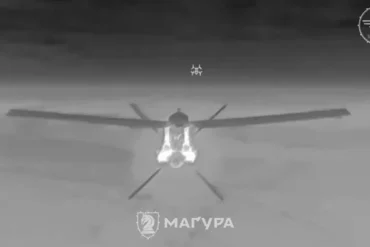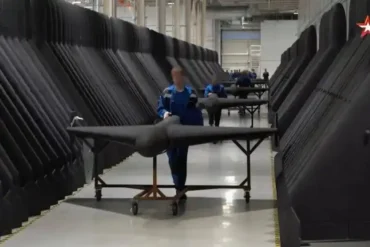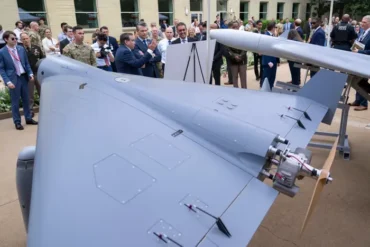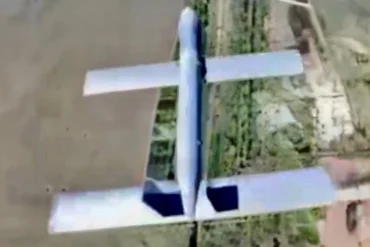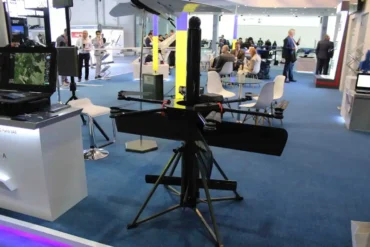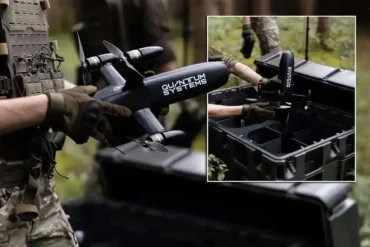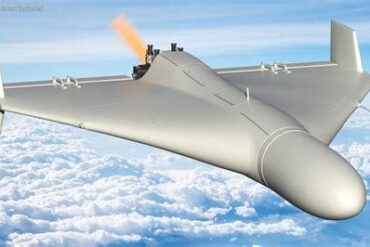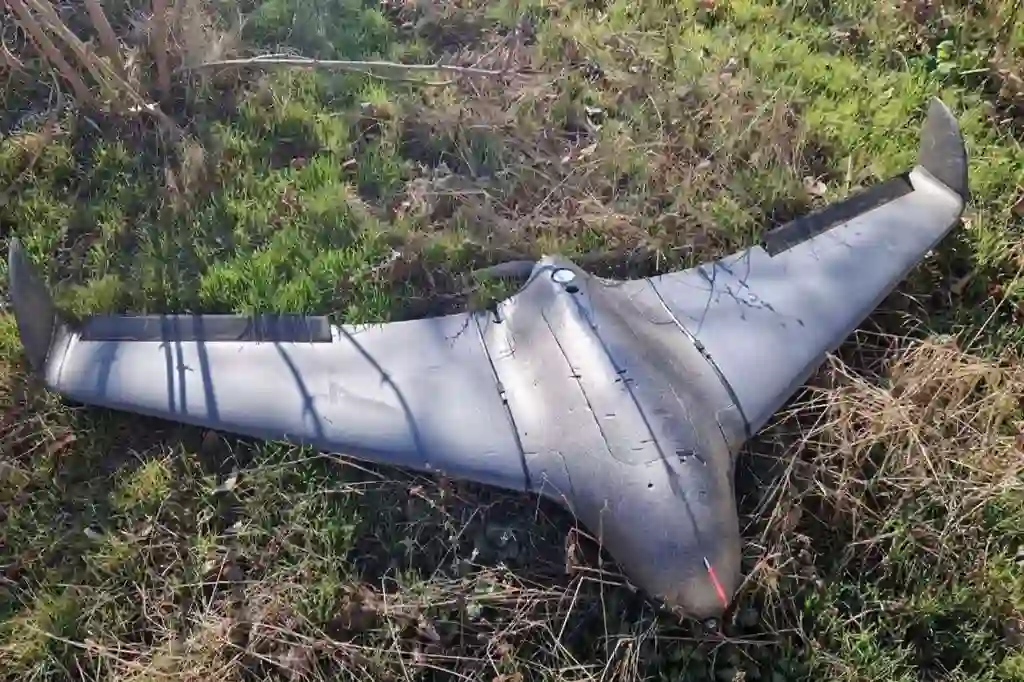
On June 30, 2025, Russian forces reportedly deployed a new low-cost kamikaze drone, informally dubbed the “Chernika,” in a strike against the northeastern Ukrainian city of Kharkiv. This marked the first known operational use of the drone, according to Ukrainian officials and sources including United24Media. Though not officially confirmed by the Kremlin, the Chernika is already drawing attention from military analysts and defense observers for its minimalist design, affordability, and potentially game-changing implications on the battlefield.
Russia’s Tactical Shift: From Shahed Barrages to Swarm-Capable Domestic Drones
The introduction of the Chernika signals a strategic evolution in Russia’s drone warfare doctrine, transitioning from exclusive reliance on imported Iranian-made Shahed drones to an increasingly diversified, domestically produced UAV portfolio. The overarching goal: apply unrelenting, low-cost pressure across Ukrainian frontlines and rear positions, particularly in urban and semi-urban environments such as Kharkiv.
The Chernika’s deployment highlights Moscow’s shift toward persistent attritional strikes that combine expensive long-range drones with cheap, expendable tactical UAVs. This layered tactic is intended to overwhelm Ukraine’s already strained air defenses, forcing them to waste precious interceptor munitions and radar resources on drones that cost Russia just a few hundred dollars.
Built for Volume: The Anatomy of the Chernika Drone
Initial assessments of wreckage recovered from the Kharkiv site indicate that the Chernika uses foam and composite materials, resembling components found in hobbyist drones. The design is utilitarian and prioritizes cost-efficiency and rapid manufacturing over durability or recoverability. According to Ukrainian intelligence sources, each unit may cost as little as $350, a figure that stands in stark contrast to the tens of thousands of dollars it typically takes to intercept them.
UAV experts speculate that despite its rudimentary airframe, the Chernika may include basic GPS-guidance systems and autopilot capabilities, allowing it to navigate autonomously to pre-selected targets. These modest upgrades would make the drone significantly harder to jam or deflect, especially when launched in large, coordinated swarms alongside Shaheds or cruise missiles.
Crucially, the drone’s small physical size and low radar cross-section makes detection difficult for traditional air defense radars. This, combined with the possibility of being launched near the border, limits the reaction window for Ukrainian defenses.
The Kharkiv Strike: Targeting Urban Nerves
The June 30 strike was reportedly conducted from Russian-held territory near the border, with the Chernika drone crossing into Ukraine and targeting light infrastructure or urban installations in Kharkiv. Though specifics of the impact remain unverified, the use of such a low-cost weapon in a major city sets a troubling precedent.
Kharkiv, already under routine missile and drone attacks since the full-scale invasion began, serves as a crucial node in Ukraine’s eastern logistical and civil network. Striking it with cheap drones that blend in with the noise of everyday war activity increases the psychological toll on civilians and adds to Ukraine’s growing burden in maintaining layered defensive readiness.
A Strategic Layer to Exhaust and Distract
Military analysts assert that drones like the Chernika are not designed to carry heavy payloads or obliterate fortified targets. Instead, their primary purpose is to erode the effectiveness of Ukraine’s defense posture. By forcing Ukraine to expend valuable interceptor missiles, mobile defense systems, and electronic warfare resources, Russia achieves a cost-exchange ratio that heavily favors its own operations.
These tactics align with Russia’s broader military philosophy of attritional pressure and destabilization—a doctrine increasingly reliant on technologically simple, but tactically clever weapons. The Chernika’s low-profile construction makes it particularly effective for hit-and-run tactics against vulnerable or soft targets like:
- Electrical substations
- Fuel depots
- Logistics centers
- Civilian infrastructure in urban peripheries
Tactical Advantage Through Mass Production
The Chernika reflects a strategic investment in mass-producible airpower. Russia’s ability to churn out these drones using off-the-shelf components, possibly imported through third-party nations or procured domestically, allows its military to maintain strike capability even under the strain of international sanctions and military hardware shortages.
Reports suggest the Chernika may have emerged from small-scale workshops repurposed for wartime production. This decentralization further complicates international monitoring and makes targeted sanctions enforcement less effective. Moreover, low-cost drones can be stored, transported, and deployed with ease—requiring minimal infrastructure.
Diminishing Returns for Ukraine’s Air Defense Network
Ukrainian military officials have publicly emphasized the urgent need to modernize and expand their country’s air defense network. Key vulnerabilities include:
- Lack of short-range mobile interceptors able to counter small drones on the fly
- Insufficient numbers of interceptor drones to engage targets without risking human pilots
- Overdependence on costly missile systems, which are often reserved for high-value threats
- Electronic warfare jamming saturation, as systems become overburdened by multi-vector attacks
Without scaling up low-cost drone intercept solutions or AI-driven targeting systems, Ukraine faces an increasingly difficult task in defending its rear areas and critical infrastructure from low-visibility incursions like those conducted with the Chernika.
Implications for Global Drone Warfare
The Chernika drone may mark the beginning of a new paradigm in low-cost aerial threat architecture. Countries watching the Ukraine conflict closely—particularly those with limited budgets or under sanction—could be inspired by the effectiveness of hobbyist-adapted military drones.
This model of warfare favors states with high production tolerance, loose regulations, and domestic tech capability. The future battlefield could see a proliferation of $300–$500 attack drones, not just in state-on-state conflicts but also in asymmetric warfare scenarios, urban insurgencies, and border skirmishes.
Conclusion: A Cheap Drone With Expensive Consequences
The debut of the Chernika kamikaze drone marks a worrying escalation in Russia’s drone warfare playbook. It reflects a calculated move to leverage cost-efficient technological improvisation against a better-equipped but overstretched Ukrainian defense. The use of small, fast, and hard-to-detect UAVs for urban-target strikes shows that even the most basic platforms can yield strategic gains when deployed smartly and persistently.
Ukraine’s response must be equally adaptive—integrating new technologies, decentralizing air defense operations, and innovating interception tactics. Otherwise, the battlefield of the future could belong not to the most advanced weapons, but to the most numerous and expendable.