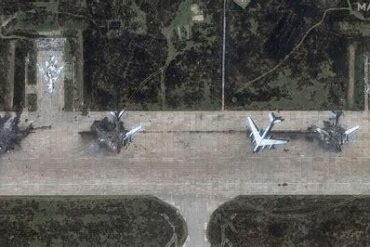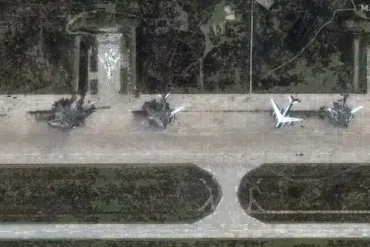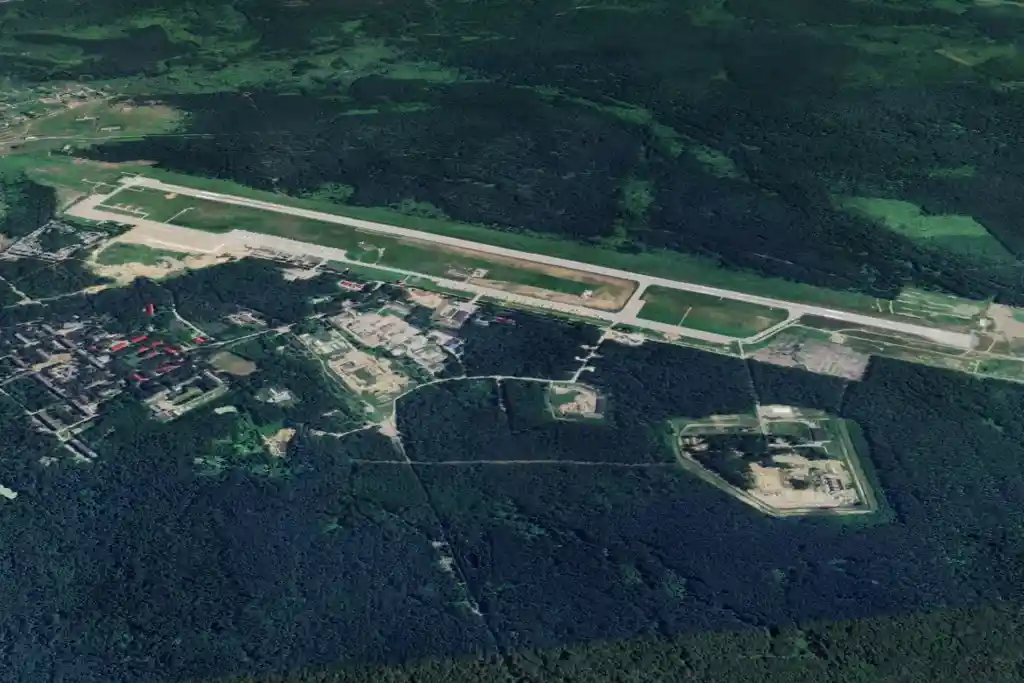
Ukraine’s special forces have reportedly inflicted significant damage to Russian fighter jets in a daring nighttime operation on a deep-lying airfield inside Russia. The attack, which occurred around 400 miles from the Ukrainian border, adds to the mounting successes in Kyiv’s bid to disrupt Russian military operations on the frontlines of the ongoing conflict. This raid comes on the heels of the highly publicized Operation Spiderweb, where Ukrainian drones targeted nuclear-capable bombers at the Kremlin’s airbase. The Ukrainian military claims that the strike took place at the Savasleyka airfield in the Nizhny Novgorod region, a crucial site used for deploying MiG-31K fighters equipped with Kinzhal ballistic missiles, which have been previously used in attacks against Ukrainian forces and cities.
The Ukrainian General Staff issued a statement revealing that at least two Russian aircraft were reportedly hit during the operation. Although the exact details of the damage remain unclear, the attack has been confirmed to have involved high-value aircraft, including MiG-31 and possibly Su-30 or Su-34 fighters. The strike comes as part of a broader strategy to weaken Russia’s military capabilities, particularly in air operations that threaten Ukraine’s defensive infrastructure.
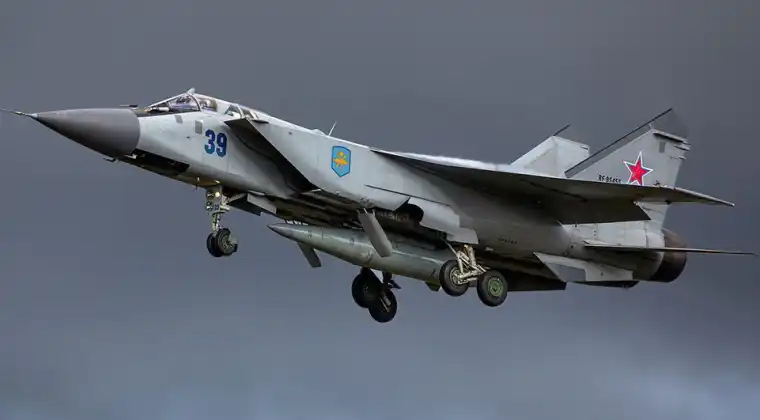
Though the specifics of the assault are shrouded in secrecy, it is evident that the operation’s success aligns with Ukraine’s broader strategy of using asymmetric warfare tactics, including drone strikes and special operations, to challenge Russia’s superior firepower. The damage inflicted on the MiG-31K fighters, which are integral to the delivery of Kinzhal missiles, marks a significant blow to Russia’s missile capabilities, especially considering these aircraft’s role in long-range precision strikes against Ukrainian targets.
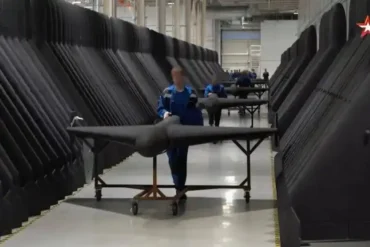
Alongside this operation, Ukraine has continued its campaign of disrupting Russian military logistics and infrastructure. Notably, a video surfaced showing the successful destruction of a Russian military plant in Cheboksary, some 800 miles from the Ukrainian border. The facility, which manufactures critical components for Iskander missile systems, self-propelled howitzers, and various drones, was heavily damaged in a drone strike. The attack was so severe that it led to a suspension of commercial flights in the region, further complicating Russia’s logistical efforts.
These operations take place against the backdrop of escalating tensions and ongoing military engagements. The Kremlin has ramped up its missile and drone bombardments on Ukraine, with the most recent wave occurring just days after Ukraine’s raid on the Savasleyka airfield. In the early hours of Monday, Russia launched over 450 drones and approximately 20 missiles targeting Ukrainian cities. The western regions, particularly the Rivne area, bore the brunt of these aerial attacks, with multiple strikes reported. Despite the relentless bombardment, Ukrainian air defenses were able to intercept the majority of these threats, highlighting the growing sophistication of Kyiv’s defense capabilities.
On the ground, the Russian military has made slow but steady advances in the Sumy region of northern Ukraine, pushing within 18 miles of the regional capital. However, Ukrainian authorities have stated that the situation remains under control, with no immediate need for evacuation. Despite Moscow’s claims of significant territorial gains in the Donetsk and Dnipropetrovsk regions, the Ukrainian General Staff firmly denied these reports, stating that the situation in these areas is still contested.
The latest operations inside Russia underscore Ukraine’s ongoing commitment to thwarting Russia’s military progress and inflicting maximum damage on its air and missile capabilities. The results of these high-risk raids and drone strikes, although difficult to fully verify at this stage, indicate a shift in the dynamics of the war—one where Ukraine is increasingly capable of striking critical Russian assets deep within its territory. As the conflict evolves, it seems clear that the nature of warfare is shifting towards more covert and technologically advanced tactics, with both sides gearing up for what could be a prolonged and fiercely contested battle.
With both nations locked in a protracted struggle, the question of whether these strategic strikes can alter the balance of power remains to be seen. However, one thing is clear: Ukraine’s innovative and high-stakes approach to warfare is reshaping the tactical landscape, challenging Russia’s military strength far from the frontlines.