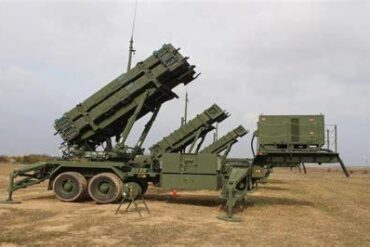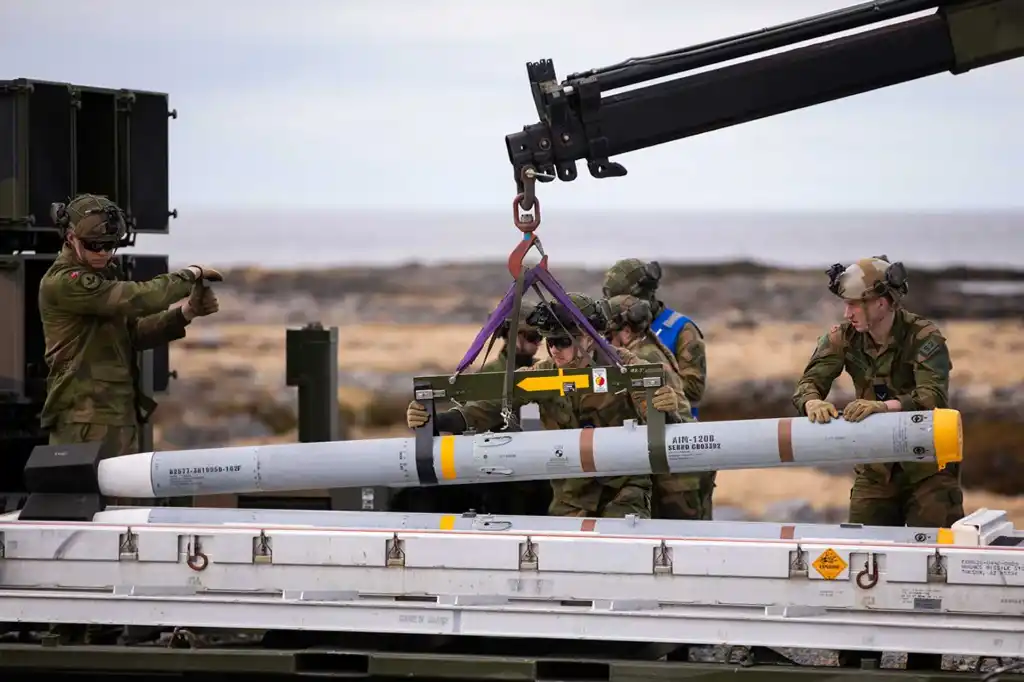
Ukraine’s air defense network received a critical reinforcement in late January 2026 as Norway delivered an additional batch of NASAMS air defense missiles, responding to an intensifying wave of Russian drone and missile attacks targeting civilian infrastructure. The delivery comes at a moment of acute pressure, with freezing winter temperatures amplifying the humanitarian impact of strikes on power plants, substations, and heating facilities across the country.
The Norwegian government confirmed the transfer on January 22, 2026, describing it as an urgent resupply effort designed to sustain Ukraine’s existing NASAMS batteries already deployed around major cities and strategic energy hubs. Russian forces have escalated their aerial campaign since early December, combining cruise missiles, ballistic threats, and long-range drones in coordinated salvos intended to overwhelm Ukrainian interceptors and degrade morale during the harshest months of the year.
For Ukraine, where nighttime temperatures in some regions have plunged to –15°C, the protection of electricity and heating infrastructure is no longer just a strategic concern but a matter of civilian survival. Norwegian officials framed the missile delivery as a direct response to warnings from Ukrainian commanders that interceptor stocks were being depleted faster than anticipated due to the sheer tempo of Russian attacks.
A Timely Boost to Ukraine’s Layered Air Defense
The latest shipment is intended to replenish NASAMS launchers already in active combat use, rather than introduce new batteries. This distinction matters operationally. Ukrainian crews are already trained, command networks are in place, and the missiles can be fed directly into existing launchers, minimizing delays between delivery and battlefield effect.
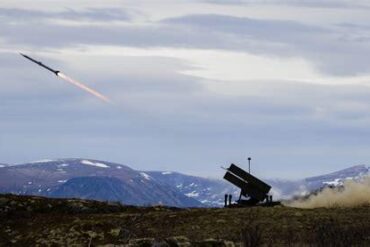
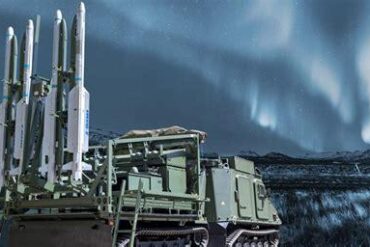
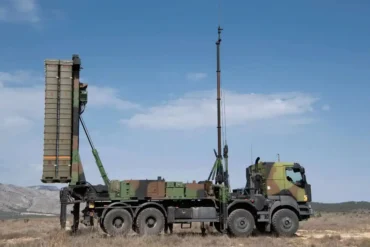
NASAMS, short for Norwegian Advanced Surface-to-Air Missile System, has become one of the most reliable components of Ukraine’s medium-range air defense. Developed jointly by Kongsberg Defence & Aerospace and Raytheon, the system was designed for precisely the type of threat environment Ukraine now faces: mixed attacks involving cruise missiles, drones, and manned aircraft approaching from multiple directions at varying altitudes.
By reinforcing missile stocks rather than expanding hardware footprints, Norway’s decision prioritizes sustainability over symbolism. Interceptors, not launchers, are the limiting factor in prolonged air defense campaigns, especially when adversaries deliberately seek to exhaust defensive magazines through repeated, low-cost drone swarms.
How NASAMS Works on a Modern Battlefield
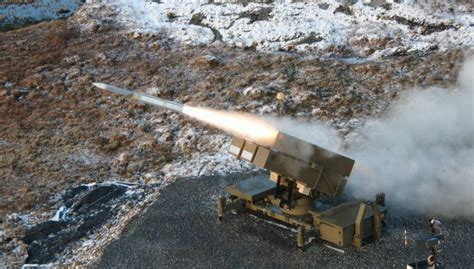
At the heart of NASAMS is a distributed, networked architecture that allows sensors, command units, and launchers to operate separately while remaining digitally linked. This design is particularly valuable in Ukraine, where mobility and survivability are essential under constant surveillance and strike pressure.
The system typically integrates the AN/MPQ-64F1 Sentinel radar, though it can work with a range of NATO-standard sensors. Once a target is detected, tracking and fire-control data are shared across the network, enabling launchers positioned kilometers away to engage without exposing radar units to direct attack.
Its primary interceptor, the AIM-120 AMRAAM, is a radar-guided missile originally developed for air-to-air combat and later adapted for ground launch. In the NASAMS configuration, AMRAAM offers engagement ranges of approximately 25 to 30 kilometers, with a proven ability to intercept cruise missiles and fast-moving drones. More advanced configurations can employ the AMRAAM-ER, extending reach beyond 40 kilometers and expanding coverage against higher-speed threats.
This modularity allows Ukrainian planners to tailor air defense coverage dynamically, shifting launchers and sensors as Russian attack vectors evolve.
Ukraine’s Growing NASAMS Footprint
Ukraine has received at least five NASAMS batteries through a series of multinational efforts since 2022. Two systems were initially supplied by the United States, followed by a jointly funded U.S.–Norwegian battery, a Canadian contribution in 2023, and a Lithuanian-delivered system in 2025. Each arrival reflected not just hardware transfers, but coordinated training, logistics, and integration into Ukraine’s broader air defense command structure.
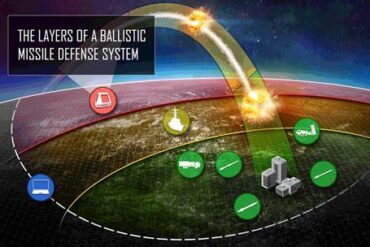
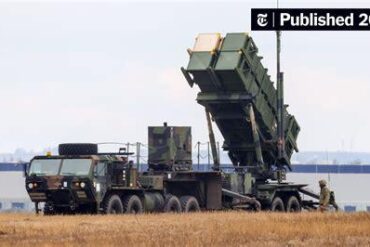
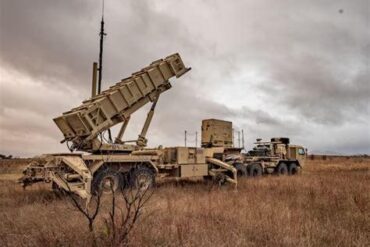
These systems are strategically positioned to protect Kyiv, Kharkiv, and major energy corridors, forming a medium-range layer between long-range assets such as U.S.-supplied Patriot systems and short-range defenses including MANPADS and legacy Soviet platforms. The result is a layered air defense mosaic designed to maximize interception probability while conserving high-value interceptors for the most dangerous threats.
Ukrainian Air Force reports from December and January indicate dozens of successful NASAMS intercepts, often coordinated with German-supplied IRIS-T systems and upgraded S-300 units. This interoperability underscores one of NASAMS’ key advantages: its ability to integrate seamlessly with other Western and legacy systems through shared data links.
Norway’s Strategic Calculus
Norway’s decision to deliver additional missiles reflects more than short-term battlefield concerns. It signals a broader recognition among NATO allies that air defense is a long-duration commitment, not a one-off donation. Russian forces have adapted their tactics, increasingly relying on early-morning drone swarms and staggered missile launches to drain interceptor inventories before following up with higher-value strikes.
According to Norwegian Defence Minister Tore O. Sandvik, the resupply was coordinated closely with the United States and other partners to prevent gaps in coverage. While Oslo has not disclosed the exact number or variant of missiles delivered, officials emphasized that the shipment was calibrated to current operational demand rather than political messaging.
For Norway, a country with deep expertise in air defense and Arctic operations, supporting Ukraine’s ability to protect civilian infrastructure aligns with both humanitarian priorities and long-term European security interests. A Ukraine forced into prolonged blackouts and heating shortages would face cascading social and economic consequences, potentially altering the strategic balance beyond the battlefield.
Winter Warfare and the Battle for Infrastructure
Russia’s winter air campaign has increasingly focused on energy denial rather than territorial gain. By striking power generation and distribution nodes, Moscow aims to impose cumulative hardship on civilians while stretching Ukrainian repair crews and air defenses to their limits.
NASAMS has proven particularly effective against cruise missiles and one-way attack drones, which form the backbone of these strikes. Each intercepted missile not only saves infrastructure but preserves public confidence in the state’s ability to defend its population under extreme conditions.
The challenge, however, lies in economics. Interceptors like AMRAAM are far more expensive than many of the drones they destroy. This asymmetry makes steady resupply essential, and Norway’s latest delivery directly addresses that imbalance, at least in the near term.
A Quiet but Decisive Contribution
While the transfer of NASAMS missiles lacks the spectacle of new weapons announcements, its impact may be more decisive. Air defense effectiveness is measured not in headlines but in lights staying on, homes staying warm, and hospitals remaining operational.
As 2026 unfolds, Ukraine’s ability to maintain interception rates amid sustained Russian pressure will depend heavily on continued allied support. Norway’s latest resupply reinforces a simple strategic truth: in modern warfare, endurance often matters more than escalation, and keeping defensive systems supplied can shape outcomes as surely as any offensive breakthrough.