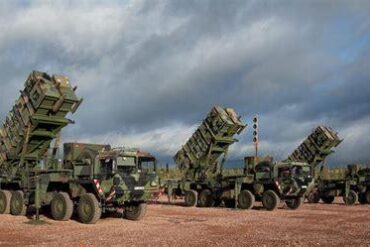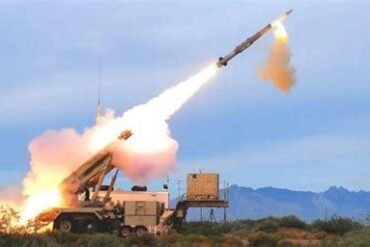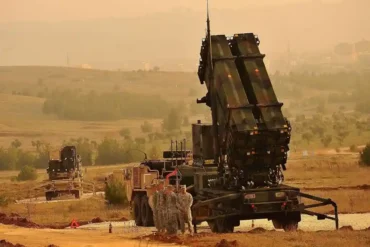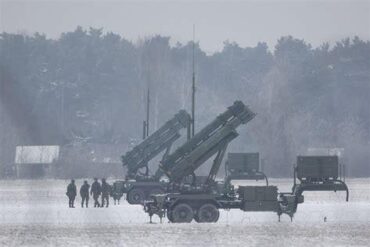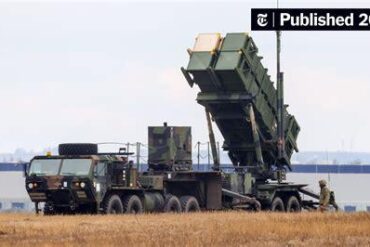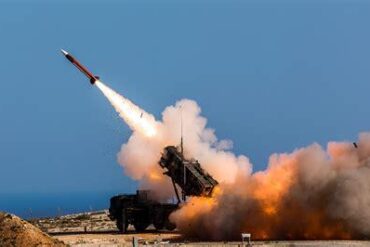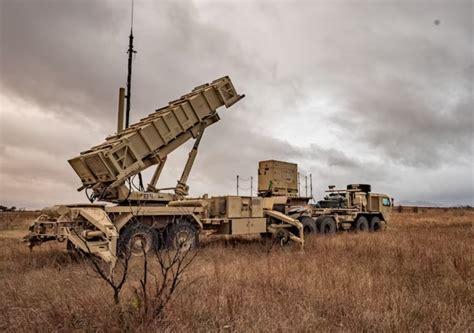
As the war in Ukraine enters a deadlier phase, Kyiv is desperately pleading for more U.S.-made Patriot air defense systems to shield its cities and infrastructure from relentless Russian missile barrages. The country’s growing vulnerability is starkly visible in recent weeks, where Russian ballistic missiles have laid waste to critical infrastructure, killed dozens of civilians, and revealed significant gaps in Ukraine’s defensive capabilities.
Despite mounting urgency, the supply of these essential systems remains uncertain. Global demand, constrained manufacturing capacity, and political hesitation in Washington are obstructing Ukraine’s hopes of replenishment.
Ballistic Missiles: Russia’s Most Lethal Strike Force
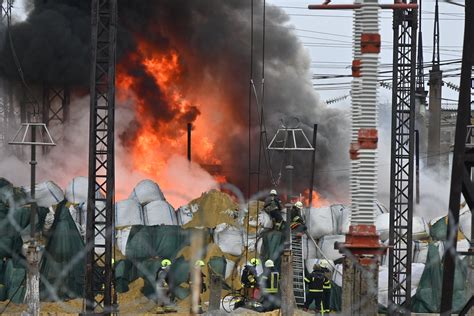
While Ukraine’s existing air defenses are adept at intercepting drones and cruise missiles, ballistic missiles remain largely unstoppable without Patriot systems. These projectiles, capable of traveling at hypersonic speeds and carrying devastating payloads, have been pivotal in Russia’s strategy to cripple Ukrainian infrastructure.
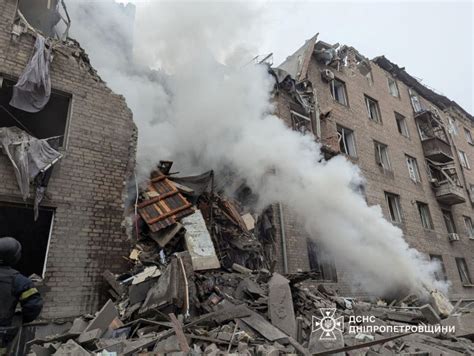
On Memorial Day weekend alone, Ukraine failed to intercept any of the nine ballistic missiles launched by Russia, two of which targeted the capital, Kyiv. The precision and ferocity of these strikes have decimated power stations and plunged neighborhoods into darkness — a calculated effort to exhaust Ukraine’s resilience.
The Patriot Dilemma: Scarcity Meets Strategy
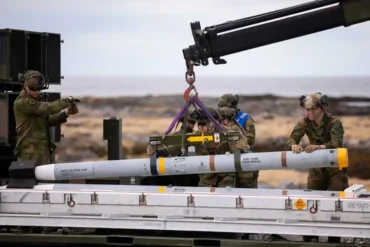
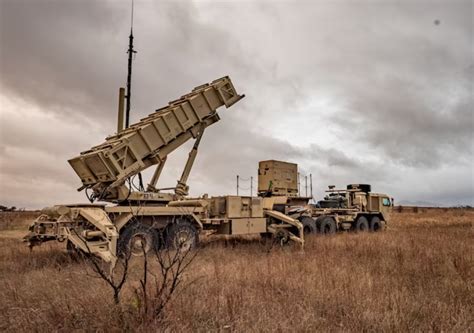
Ukraine’s reliance on Patriot missile systems — particularly the PAC-3 variant — has never been more pronounced. Yet, Washington’s shift in posture under the Trump administration has introduced new challenges. While former aid packages included generous Patriot deployments, current policy appears more transactional.
“They think like business people. If I give you something, you have to give me something in return,” said a senior Ukrainian official.
Ukraine’s officials acknowledge that while sales may still be permitted, gifts of military hardware are no longer likely. Secretary of State Marco Rubio affirmed that the U.S. is encouraging NATO allies to fill the gap. However, many of those allies are equally reluctant to part with their own limited inventories.
German Assistance and Limited Alternatives
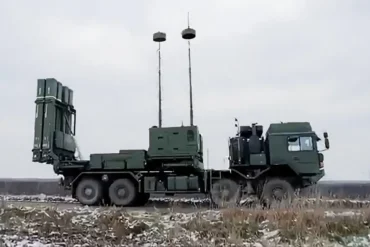
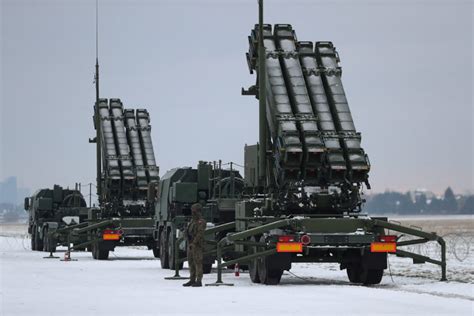
Germany has emerged as one of the few countries willing to contribute, recently committing older PAC-2 Patriot missiles and four IRIS-T systems. While helpful against cruise missiles, these systems fall short against the newer, faster ballistic weapons deployed by Russia.
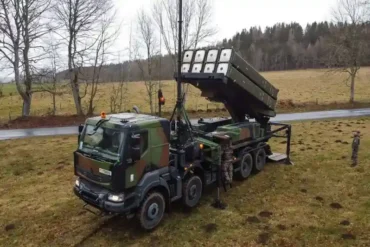
A European diplomat confirmed that Germany’s contribution, though generous, is not a substitute for the advanced PAC-3 Patriots. Meanwhile, European Aster missiles offer a potential alternative, but their effectiveness against ballistic threats remains unproven in live combat scenarios.
Russia’s Arsenal Grows — With Help from Allies
As Ukraine’s missile defenses dwindle, Russia’s supply appears only to be growing. Intelligence reports indicate that North Korea has shipped at least 250 ballistic missiles to Russia since late 2024, including the KN-23, which has been used in recent devastating attacks.
Among the most tragic examples:
- On Palm Sunday, 35 civilians were killed in Sumy.
- Just days earlier, 20 people — including nine children — died when a missile struck a playground in Kryvyi Rih.
These incidents highlight the human cost of missile defense shortfalls. A Ukrainian intelligence official emphasized that “each Iskander can kill hundreds of people”, and that Patriots are the only effective shield.
NATO’s Calculated Hesitation
Behind closed doors, NATO members are engaged in tense negotiations to transfer an additional Patriot system to Ukraine. However, these talks are fraught with national security trade-offs. As one European official revealed, “We can give this one up, but then we want a new one for a cheaper price.”
This stalemate reveals the central tension between immediate support for Ukraine and long-term defense planning for Europe. No official commitment has been made, though expectations are growing for a possible announcement during Defense Secretary Pete Hegseth’s visit to NATO headquarters in early June.
White House Caution and Strategic Calculations
The Trump administration’s hesitancy to make a bold Patriot delivery announcement stems from fears of derailing future diplomacy. Officials worry that such actions may provoke Vladimir Putin and torpedo peace negotiations.
“They would be very concerned about this kind of jeopardizing any potential peace talks,” a European diplomat explained.
At the same time, the administration did permit Germany to reexport Patriot systems following a Ukrainian mineral deal with Washington, showing that diplomatic agreements can unlock military support — but only selectively.

Industry Bottlenecks and American Reserves
The capacity to manufacture new Patriot systems remains limited. Raytheon, the defense contractor behind the Patriot line, is still scaling up production lines to meet surging global demand post-2022. Even if the U.S. wished to supply more units, its own strategic reserves for contingencies involving Iran or other adversaries take precedence.
Thus, the geopolitical chessboard limits Kyiv’s options. For Ukraine, every week without a new Patriot system means more risk, more casualties, and more infrastructural collapse.
A Desperate but Determined Plea
Ukrainian officials continue to advocate tirelessly. They recognize the geopolitical constraints but insist that defending against Russia’s ballistic arsenal is a matter of survival, not politics. The death toll, the infrastructure devastation, and the psychological impact on Ukraine’s population are mounting by the day.
While grateful for previous aid, officials are candid in acknowledging that what has been provided is “very far from enough.”
As European and U.S. leaders debate their next moves, Ukraine remains under siege — not just from missiles in the sky, but from the geopolitical hesitation on the ground.
Conclusion: The Clock is Ticking
The stakes have never been higher. As Russia escalates its missile warfare and NATO countries deliberate, Ukraine faces a dwindling window to secure the Patriot systems it so critically needs. The outcomes of these deliberations could very well determine the trajectory of the war — and the survival of Ukrainian cities under threat.
For now, the message from Kyiv is clear: send the Patriots, or prepare for more devastation.