In a decisive escalation of European military aid to Ukraine, Germany is poised to finalize a landmark defense deal with the United States to deliver two Patriot air defense missile systems. This agreement, confirmed by German Major General Christian Freuding during a high-level briefing in Kyiv on July 12, 2025, signifies an urgent response to a renewed Russian aerial offensive that has severely stressed Ukraine’s existing defense infrastructure.
Germany’s Expanded Role in Ukraine’s Defense Landscape
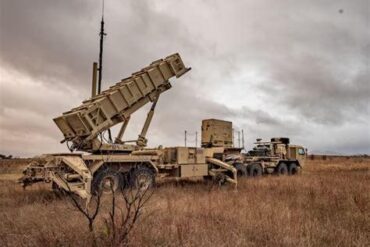
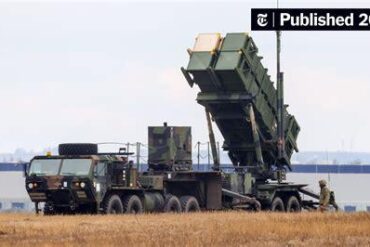
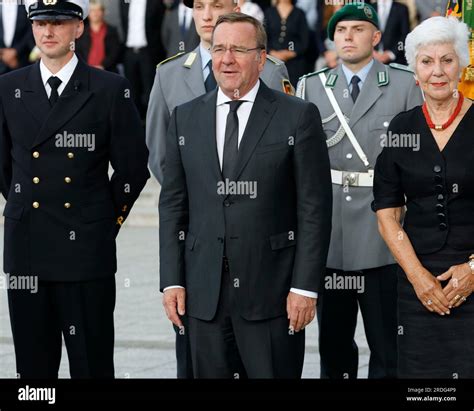
The upcoming agreement will be officially signed on July 14, 2025, during an official visit by German Defense Minister Boris Pistorius to Washington, D.C. The Patriot systems, recognized as NATO’s most advanced air and missile defense assets, will be drawn either from existing U.S. inventories or rapidly accessible production stocks.
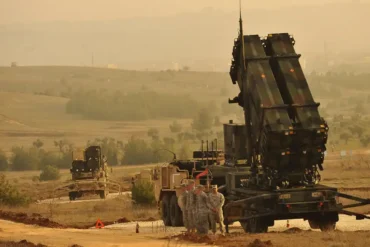
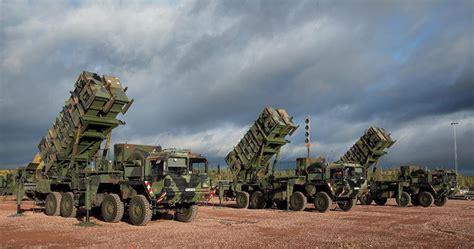
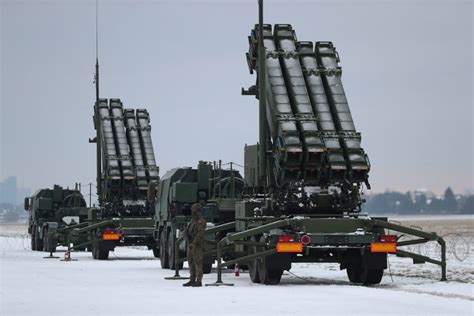
Germany’s evolving role in European security is underscored by this move. With three Patriot batteries and four launchers already delivered to Ukraine, Berlin has demonstrated a consistent commitment to bolstering Ukrainian resilience. The forthcoming systems will expand Ukraine’s capacity to defend critical zones and signal a deepening strategic alliance between Berlin, Washington, and Kyiv.
Ukraine’s Need for Reinforced Air Defense
The strategic urgency of this deal cannot be overstated. Since late spring 2025, Russia has transitioned into a relentless high-volume missile and drone strike campaign targeting Ukraine’s energy and transport networks. Iskander-M ballistic missiles, Kh-101 cruise missiles, and Shahed-136 drones now routinely feature in combined arms salvos exceeding 70 projectiles. This tactic aims to saturate Ukrainian defenses, disrupt command and logistics, and degrade overall morale.
In this context, additional Patriot batteries represent more than an enhancement—they are an operational necessity. Deployed Patriots will enable overlapping intercept zones, allowing Ukrainian forces to absorb repeated strikes without sacrificing coverage of vital infrastructure such as airbases, radar sites, and metropolitan hubs.
Combat Proven: Patriots in the Ukrainian Theater
Since April 2023, Ukraine’s air defense network has steadily expanded through a mosaic of multinational donations. German contributions include three Patriot batteries, while the Netherlands, Romania, and a joint U.S.-Norwegian effort have each added crucial components. This combined inventory forms the backbone of Ukraine’s long-range defense architecture.
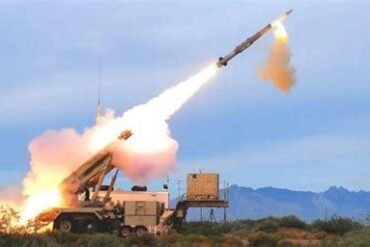
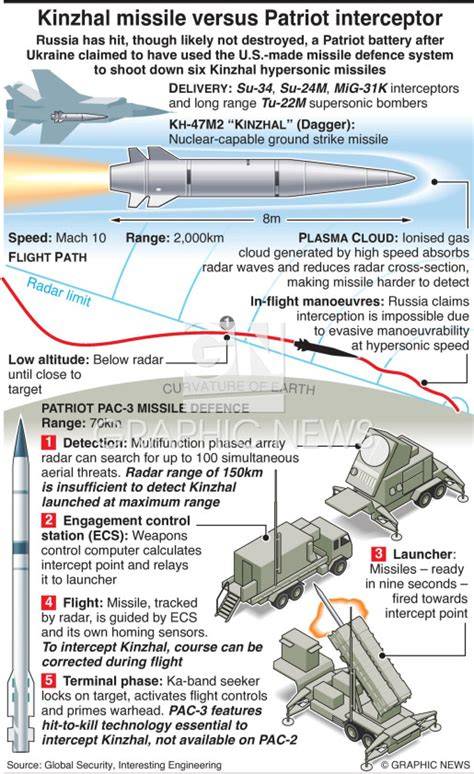
The Patriot system—specifically the MIM-104 platform with PAC-3 MSE interceptors—has proven especially adept at countering Russian precision weapons. Ukrainian forces have reportedly used them to intercept Kh-47M2 Kinzhal hypersonic missiles and Iskander-class projectiles, weapons previously believed to be nearly unstoppable. The success of these intercepts has forced Russia to recalibrate both its targeting strategies and arsenal utilization.
Patriot System Capabilities: A Technological Shield
The Patriot missile system is far more than a missile launcher. It is an integrated suite comprising a phased-array radar, automated fire control network, and multi-mission interceptors. These features enable the system to track, identify, and neutralize dozens of aerial threats simultaneously. With the PAC-3 MSE variant, the system extends its intercept range, increases hit-to-kill precision, and enhances its lethality against both fast-flying ballistic and low-flying cruise missiles.
For Ukraine, the deployment of additional Patriots offers a significant advantage in terms of resilience and tactical depth. These systems are specifically tailored to defend large urban areas and strategic facilities. With overlapping fields of fire, Ukrainian operators can deny Russian aircraft and missiles freedom of maneuver, while also protecting civilian populations from indiscriminate strikes.
Germany’s Strategic Shift and Industry Mobilization
Germany’s decision to finalize this Patriot deal is emblematic of its broader geopolitical realignment. Traditionally more cautious in its defense posture, Berlin has accelerated its transition into a frontline security contributor. This includes not only battlefield donations but also deeper integration into defense industrial efforts.
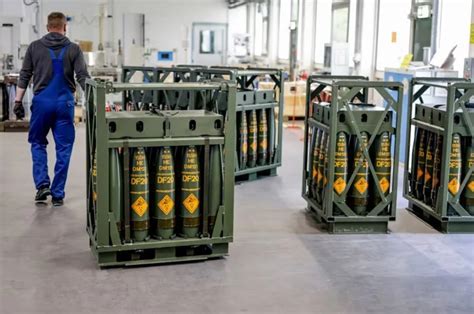
Already, Germany has launched domestic production lines for Patriot interceptors and associated components, although deliveries are not expected before 2026 or early 2027. The immediate demand, however, necessitates leveraging U.S. production pipelines for ready-to-deploy systems. The deal to be signed in Washington will define delivery timelines, logistics support, and training packages, ensuring the systems are seamlessly integrated into Ukraine’s operational framework.
NATO Solidarity: A Coordinated Response
This latest development signals a new phase of NATO’s material support for Ukraine. While various alliance members have provided piecemeal aid, the formalization of Germany’s Patriot procurement reflects a coordinated strategic vision. It illustrates that NATO is no longer merely providing tools for defense but is actively engaged in shaping the tactical landscape in Ukraine’s favor.
Training initiatives have also played a pivotal role. Under joint U.S.-German programs, Ukrainian operators have been trained intensively, often within compressed timeframes, to handle these complex systems. Their proficiency in live engagements has stunned many defense observers and undermined assumptions about Ukraine’s capacity to adapt to high-end Western technologies.
Russia’s Escalation and Ukraine’s Response Strategy
Russia’s current aerial campaign, aimed squarely at exhausting Ukraine’s interceptor reserves, reveals the Kremlin’s evolving war calculus. The shift toward swarm drone attacks and high-speed missile barrages indicates a desire to break Ukrainian will and create tactical opportunities by sowing chaos.
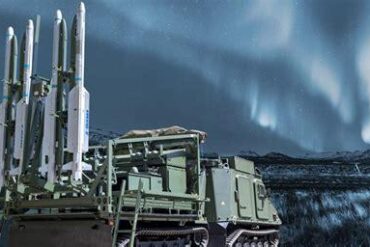
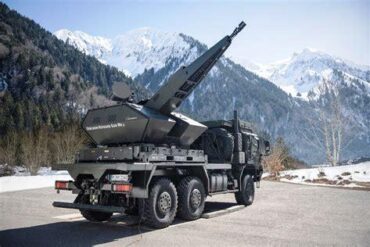
Yet, Ukraine has not remained passive. It has invested heavily in layered air defense, combining IRIS-T systems, NASAMS, and mobile short-range platforms to create a dynamic, adaptive shield. Patriots form the apex of this architecture, covering strategic nodes and absorbing the most sophisticated threats.
Operational Impact: More Than Symbolism
The introduction of two new Patriot batteries will have immediate tactical repercussions. Ukraine will be able to establish redundant coverage zones around vital regions, fortify command infrastructure, and maintain logistical corridors that are essential for both civilian continuity and military operations.
With winter approaching, the urgency grows. Russia is expected to intensify strikes on energy production sites, repeating the pattern seen in previous winters. Without additional air defense, Ukraine risks mass blackouts, disrupted supply chains, and diminished operational momentum. The new Patriots will act as a crucial buffer, blunting the edge of Russia’s winter strategy.
Looking Ahead: The Future of Western Air Defense in Ukraine
This latest deal between Germany and the United States symbolizes not only immediate relief but a broader trajectory. As Western powers streamline their coordination, the delivery of advanced systems like the Patriot becomes less episodic and more programmatic. Ukraine’s transformation from a heavily shelled nation to a fortified regional defender hinges on these developments.
Ultimately, this is not just about stopping missiles—it’s about buying time, preserving sovereignty, and laying the groundwork for a future beyond war. With every new Patriot battery deployed, the message to Moscow is clear: Ukraine’s skies are becoming harder to breach, and its partners are not backing down.
Germany’s commitment today may well shape the strategic balance of Eastern Europe for years to come. The finalization of this deal marks a definitive turning point in the West’s approach to the conflict, and for Ukraine, it may very well be the difference between surviving and prevailing.