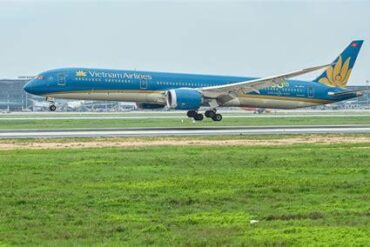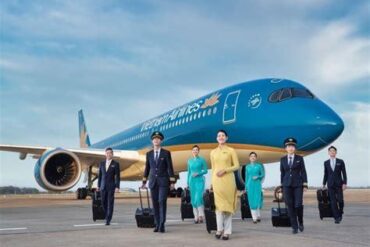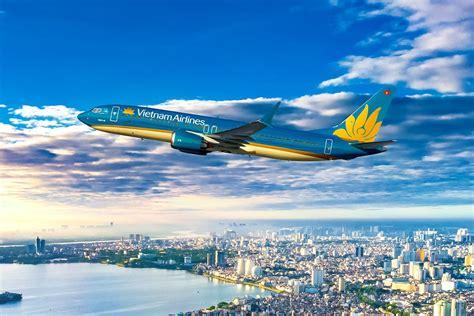
Vietnam Airlines is on the verge of finalizing a major aircraft acquisition, set to reshape its narrow-body fleet and reinforce its regional dominance in Southeast Asia. According to a senior executive from the airline, who requested anonymity due to media restrictions, the long-anticipated order for 50 Boeing 737 MAX jets—initially provisionally agreed upon in 2023—is expected to be completed “very soon.” This marks a pivotal moment for both the Vietnamese flag carrier and the U.S. aerospace giant Boeing.
The move is deeply rooted in Vietnam’s broader geopolitical and economic strategy, which includes balancing trade relations and meeting rising domestic and regional air travel demands. For Boeing, the finalization of this agreement represents not only a critical sales victory in Asia but also a strategic foothold in a region where Airbus has long enjoyed considerable market dominance.
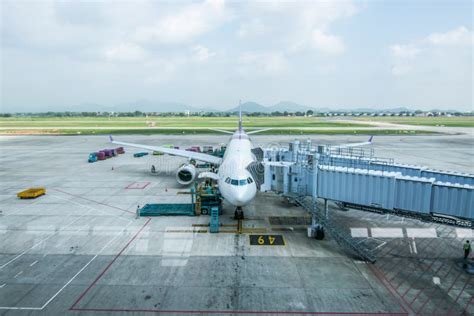
Vietnam Airlines Eyes Fleet Expansion and Replacement
With ambitious plans to modernize and expand its narrow-body aircraft fleet, Vietnam Airlines has identified a clear need for up to 100 new narrow-body jets by 2035. This demand stems from a combination of fleet aging, rising passenger volumes, and regional competition. According to the unnamed executive, the planned order for 50 Boeing 737 MAX jets will serve as the cornerstone of this transformation.
The MAX series, with its fuel efficiency, extended range, and advanced avionics, is positioned as a strong candidate for meeting the airline’s operational needs. These jets will replace older Airbus A321s and other aging aircraft currently in the airline’s fleet while simultaneously enabling Vietnam Airlines to open new short-to-medium haul routes in Asia.
The 737 MAX order—if finalized as expected—will mark one of the largest acquisitions in Vietnam Airlines’ history and a substantial step toward aligning with international sustainability goals. With lower carbon emissions and noise footprints compared to previous-generation aircraft, the 737 MAX supports the carrier’s efforts to reduce its environmental impact.
Boeing’s Strategic Win Amid Intensifying U.S.-Vietnam Trade Ties
The timing of this near-finalized deal is significant not just for the aviation industry but also within the larger context of U.S.-Vietnam economic relations. As an export-driven economy, Vietnam is under increasing pressure from the United States to import more American goods—aircraft being one of the most high-profile sectors that can help offset the trade imbalance.
By committing to Boeing, Vietnam Airlines is sending a strong signal to Washington, aligning with diplomatic expectations without compromising its commercial strategy. The U.S. has, in recent years, heightened its scrutiny of trade relationships with Southeast Asian economies. An aircraft order of this magnitude could help placate American concerns and forestall potential tariff threats.
Airbus Not Entirely Off the Table
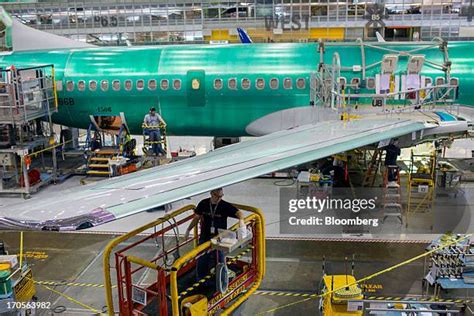
Interestingly, the Vietnam Airlines executive clarified that while the current deal favors Boeing, the airline remains open to future Airbus acquisitions, particularly if it can secure desirable delivery slots. Airbus, however, has already announced that its A320neo family is largely sold out through the rest of the decade, which complicates immediate prospects.
This market constraint gave Boeing a competitive edge, enabling it to offer sooner delivery schedules and aggressive pricing, especially crucial in a post-pandemic recovery phase where airlines are racing to reclaim market share. Vietnam Airlines’ ability to lock in production slots is crucial, as aircraft manufacturers across the globe are struggling with supply chain bottlenecks and delayed deliveries.
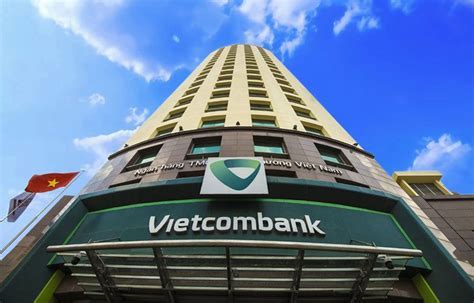
In April 2025, Vietnam Airlines signed a memorandum of understanding (MoU) with Vietcombank, the nation’s top commercial lender, to secure funding for the 50 narrow-body aircraft. While the manufacturer wasn’t specified in the MoU, it now appears increasingly likely that those funds will underpin the Boeing deal. This financial backing underscores the scale and seriousness of the carrier’s fleet renewal strategy.
The 737 MAX: A Technical and Strategic Fit
The Boeing 737 MAX series—particularly the MAX 8 and MAX 10 variants—offers compelling advantages that align with Vietnam Airlines’ operational profile. These aircraft feature CFM International LEAP-1B engines, advanced winglets, and reduced fuel consumption by up to 14% compared to previous models.
Additionally, the MAX series offers:
- Increased range: Up to 3,850 nautical miles, enabling more non-stop regional routes
- Higher seat capacity: Especially in the MAX 10 variant, catering to dense routes
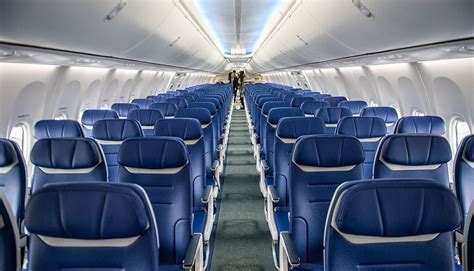
- Improved passenger comfort: With quieter cabins and updated interiors
- Modern cockpit technology: Enhancing safety, reliability, and pilot training commonality
These features are particularly well-suited to Vietnam Airlines’ route network, which is anchored in busy domestic sectors and rapidly growing international corridors linking Vietnam with China, South Korea, Japan, and Southeast Asia.
Boeing’s Recovery and Regional Push
Boeing’s quest to regain footing in Asia—after a turbulent few years marked by the global grounding of the MAX family and pandemic-related setbacks—makes the Vietnam Airlines deal particularly symbolic. This would be one of the most significant new customer wins for the U.S. manufacturer in Southeast Asia post-grounding, reinforcing confidence in the aircraft.
The Seattle-based company has also been focusing heavily on rebuilding relationships and supply chains. CEO Dave Calhoun has repeatedly emphasized Southeast Asia as a priority market, citing projected air traffic growth in the region as among the highest globally over the next 15 years.
According to Boeing’s 2023 Commercial Market Outlook, the Southeast Asian region will require over 4,000 new aircraft by 2042, primarily narrow-bodies, to meet expanding intra-Asia demand. Vietnam Airlines’ anticipated MAX order directly reflects this macro-level trend and secures the airline a first-mover advantage in aircraft availability.
Domestic and International Market Pressures
Vietnam Airlines is not just acting out of opportunity—it is also responding to pressures from both within and outside the country. Domestically, budget carriers such as VietJet Air have aggressively expanded their fleet and route offerings. Vietnam Airlines, by contrast, has had to navigate pandemic recovery, financial restructuring, and capital sourcing—all while preserving its full-service brand identity.
Internationally, competition from foreign carriers and regional giants like Singapore Airlines and Thai Airways places increasing pressure on Vietnam Airlines to modernize its fleet and enhance cost-efficiency. The 737 MAX series could serve as a transformative asset, enabling unit cost reductions and more flexible scheduling.
Financial Commitment and Funding Architecture
The airline’s MoU with Vietcombank is a critical financial enabler of this deal. While the precise terms were not disclosed, industry observers note that domestic financing for aircraft purchases—backed by sovereign confidence—provides Vietnam Airlines with greater autonomy and cost control.
Vietcombank’s involvement also indicates growing institutional confidence in aviation sector recovery, which is crucial for long-term infrastructure planning and regulatory approvals. With aircraft financing increasingly complex due to inflation, interest rates, and geopolitical risk, securing early-stage funding is a strategic win.
What Comes Next
While Boeing did not respond to a request for comment at the time of writing, analysts widely expect the deal to be finalized within weeks. The airline is likely to proceed with contract finalization, slot allocation, and possibly even early delivery preparations by late 2025. Aircraft deliveries could begin as early as 2027, depending on production slots.
Once finalized, the Vietnam Airlines-Boeing deal will stand as one of the most consequential aerospace transactions in Southeast Asia in recent memory. It signals Vietnam’s aviation ambitions, reflects broader shifts in U.S.-Asia trade diplomacy, and reshapes Boeing’s commercial trajectory in a high-growth region.
The final contract will also be closely monitored by industry competitors, regulators, and investors, offering a blueprint for how emerging market carriers can balance commercial needs with geopolitical realities in an increasingly multipolar world.