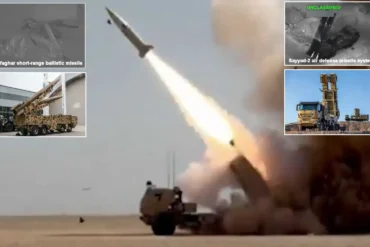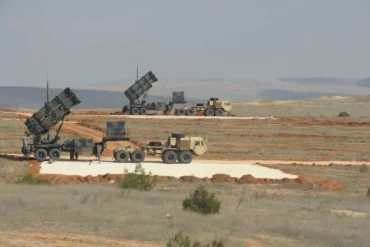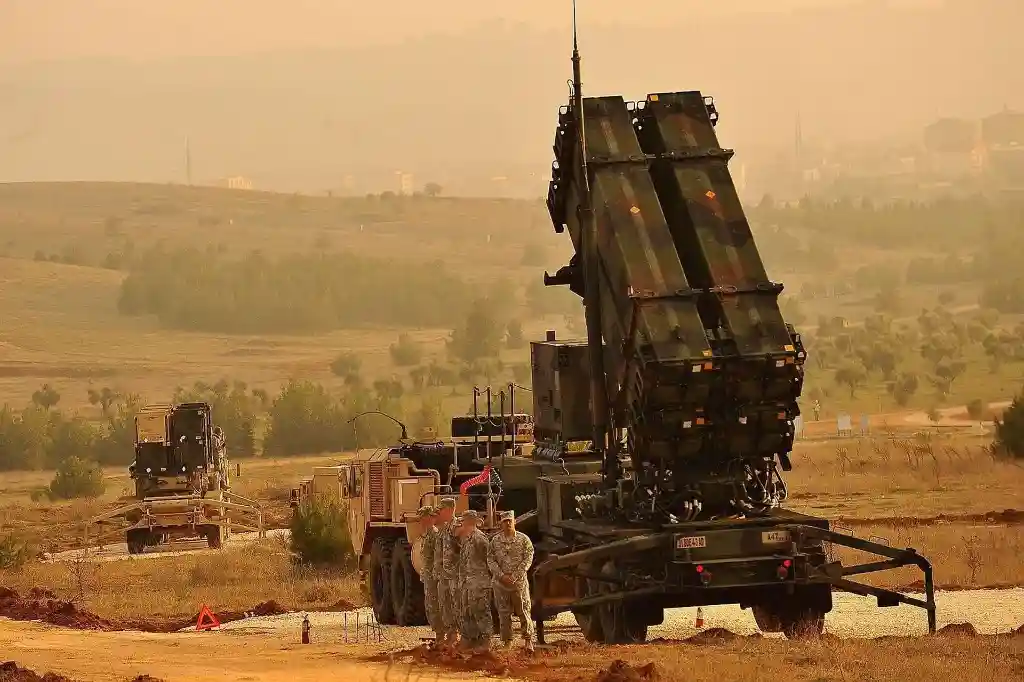
Rising regional tensions have triggered a decisive military response along NATO’s southeastern frontier, as Türkiye deploys a NATO-backed Patriot air and missile defense battery to the province of Malatya. The move follows two separate incidents in which Iranian ballistic missiles approached or entered Turkish airspace within a single week, raising alarm in Ankara and across the Atlantic alliance. The deployment represents both an immediate defensive measure and a strategic signal that NATO is reinforcing its missile defense architecture near a rapidly evolving conflict zone.
Türkiye’s Ministry of National Defense confirmed that the Patriot system has already been transferred to Malatya and is undergoing operational preparations. The battery forms part of broader NATO air and missile defense coordination designed to protect both Turkish territory and key alliance infrastructure located in the region. Ankara has also warned Tehran that any further threats to Turkish airspace could provoke decisive countermeasures, underscoring the seriousness of the recent incidents.
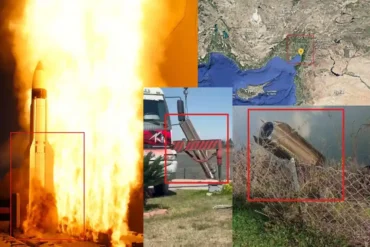
The deployment follows a second Iranian missile event on 9 March 2026, when a ballistic missile trajectory crossed into Turkish airspace and scattered fragments near Gaziantep, a major city in southeastern Türkiye. This incident came only days after another missile traveled across Iraq and Syria before being intercepted over the eastern Mediterranean by NATO defenses. The proximity of these events to Turkish territory has fundamentally shifted the security calculus along the alliance’s southern flank.
Strategic Importance of Malatya in NATO’s Missile Defense Network
The selection of Malatya province for the Patriot deployment is far from accidental. The region hosts one of NATO’s most important missile detection facilities: the Kürecik radar site, which forms a critical component of the alliance’s ballistic missile defense early-warning network. Located in eastern Türkiye, Kürecik operates a powerful AN/TPY-2 X-band radar, designed to detect and track ballistic missile launches at extreme distances.
This radar system is capable of identifying missiles during the earliest phase of their trajectory. Once detected, the radar transmits high-resolution tracking and discrimination data to other defensive elements across NATO’s missile defense architecture. That information allows interceptor systems—including Patriots and naval missile defenses—to calculate precise interception solutions before incoming warheads approach defended areas.
By positioning the Patriot battery within the same province as the radar installation, NATO effectively tightens the “sensor-to-shooter” loop—the critical chain linking detection systems to interceptor launch platforms. In practical military terms, this means that incoming missile threats originating from western Iran could be detected, tracked, and engaged more quickly, dramatically improving defensive reaction times.
This proximity also reinforces security around the radar itself. The Kürecik installation serves as an essential intelligence node for NATO’s broader missile defense strategy, providing early-warning coverage for threats that could potentially target Europe or allied forces across the Middle East. Protecting this radar therefore has significance far beyond Türkiye’s national defense.
Patriot Missile Defense System: A Combat-Proven Shield
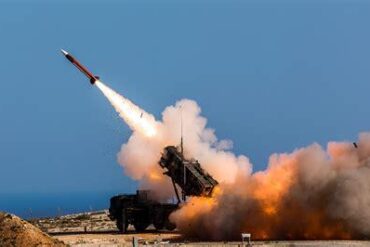
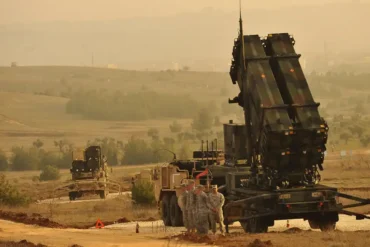
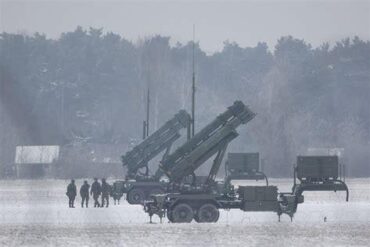
The Patriot air and missile defense system, developed in the United States, remains one of the world’s most capable tactical missile defense platforms. Designed to counter ballistic missiles, cruise missiles, unmanned aerial systems, and advanced aircraft, Patriot integrates several advanced technologies into a single battlefield architecture.
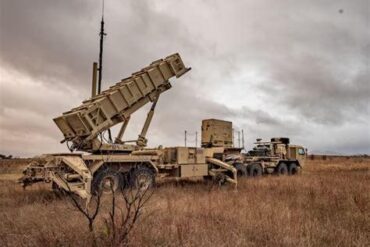
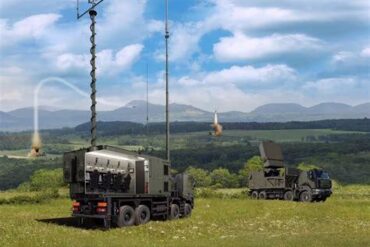
A standard Patriot battery consists of multiple interconnected components:
- Phased-array radar capable of tracking numerous aerial threats simultaneously
- Engagement Control Station (ECS) where operators manage targeting decisions
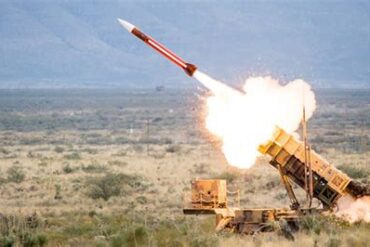
- Launcher units equipped with interceptor missiles
- Power and communications systems enabling rapid deployment and integration
Since its introduction, Patriot has accumulated over 250 combat engagements, including the interception of more than 150 ballistic missiles since 2015 in various operational theaters. This long combat record has made it one of the few systems globally trusted to counter the complex mix of threats present in modern missile warfare.
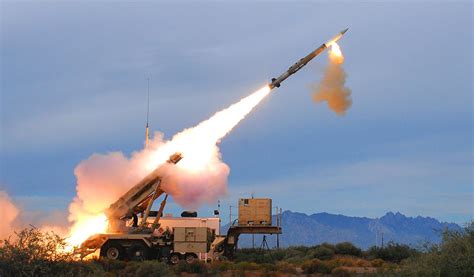
The specific interceptor configuration deployed in Malatya has not been publicly disclosed. However, Patriot batteries can be equipped with several different missile types, each optimized for particular targets.
The PAC-2 GEM-T interceptor provides extended range against aircraft, cruise missiles, and certain ballistic missile threats, making it effective for wide-area air defense. Meanwhile, the PAC-3 family of interceptors, particularly the PAC-3 MSE (Missile Segment Enhancement) variant, is specifically engineered for ballistic missile defense. These missiles utilize hit-to-kill technology, destroying incoming warheads through direct kinetic impact rather than explosive fragmentation.
The PAC-3 MSE also features an advanced dual-pulse rocket motor, allowing it to maneuver at higher altitudes and engage threats at greater distances. Depending on the missile mix deployed in Malatya, the battery could provide either broader air defense coverage or a highly specialized ballistic missile interception capability.
Iranian Missile Trajectories and Regional Spillover
The immediate trigger for the Patriot deployment stems from the growing spillover risk from escalating conflict involving Iran. Missile launches associated with regional military operations have already demonstrated how easily ballistic trajectories can cross international boundaries.
During the first incident, an Iranian missile traveled across Iraq and Syria, eventually being intercepted by NATO defenses positioned in the eastern Mediterranean. The second incident proved more alarming. A missile entered Turkish airspace directly, with debris falling near Gaziantep, a strategic city located between Incirlik Air Base and the Malatya radar complex.
These trajectories highlight a key strategic reality: Türkiye does not need to be deliberately targeted to face missile danger. A miscalculated launch path, technical malfunction, or interception debris can create a serious security incident involving NATO territory.
In such cases, even a single missile fragment landing near sensitive infrastructure could trigger NATO consultations or emergency defensive responses, potentially escalating tensions between major regional powers. The Patriot deployment therefore functions as both a defensive safeguard and a deterrent signal, reducing the probability that stray missiles could threaten Turkish territory or allied assets.
Ankara’s Strategic Balancing Act
Türkiye’s leadership faces a complex diplomatic challenge. While Ankara is a key NATO member, it has historically attempted to maintain a balanced relationship with regional actors, including Iran. The recent missile incidents have narrowed that strategic space considerably.
Turkish officials have already lodged formal protests with Tehran, warning that missile trajectories near Turkish territory represent a dangerous escalation. At the same time, Ankara has avoided formally invoking NATO’s Article 4 consultation mechanism, which allows member states to request alliance discussions when their security is threatened.
This careful approach reflects Türkiye’s attempt to reinforce defenses without automatically escalating the crisis into a broader NATO confrontation with Iran. Deploying Patriot systems achieves that balance. The system strengthens Turkish air defenses while remaining consistent with existing NATO defensive frameworks.
A Reminder of NATO’s Collective Defense Role
The Malatya deployment also underscores the continuing importance of collective missile defense cooperation within NATO. Despite Türkiye’s growing domestic defense industry and investments in layered air defense systems, recent interceptions were still carried out by alliance air defense assets operating in the eastern Mediterranean.
This reality illustrates how deeply interconnected NATO’s missile defense architecture has become. Early-warning sensors, interceptor batteries, and naval defense platforms operate as part of a shared defensive ecosystem, rather than isolated national systems.
There is historical precedent for such deployments. Between 2013 and 2015, several NATO allies—including the United States, Germany, and the Netherlands—stationed Patriot batteries in Türkiye to defend against potential missile threats originating from the Syrian conflict. The new deployment revives that same defensive principle, but under more complex circumstances involving ballistic missile trajectories from Iran.
Malatya as a Defensive Shield and Strategic Signal
With the Patriot battery nearing full operational readiness, Malatya is emerging as one of NATO’s most important missile defense nodes. The combination of a forward-based early-warning radar and an interceptor system in the same region significantly enhances the alliance’s ability to respond to ballistic missile threats originating from the Middle East.
More importantly, the deployment carries a clear geopolitical message. NATO is reinforcing its southeastern flank while signaling that further missile incursions will face a faster and more coordinated defensive response. For Türkiye, the system strengthens the protection of critical infrastructure and national airspace. For NATO, it represents a visible demonstration of alliance solidarity in the face of escalating regional instability.
If tensions continue to rise, Malatya may increasingly function not only as a defensive shield for Turkish territory, but also as a forward missile defense hub protecting NATO’s broader strategic interests across Europe and the eastern Mediterranean.