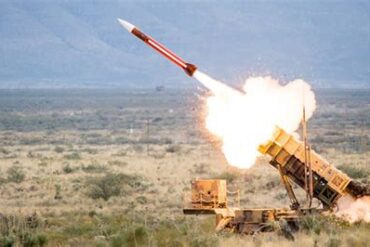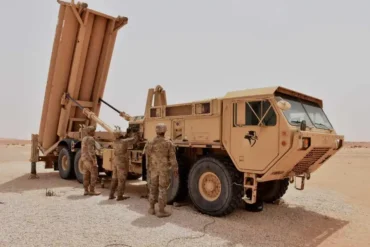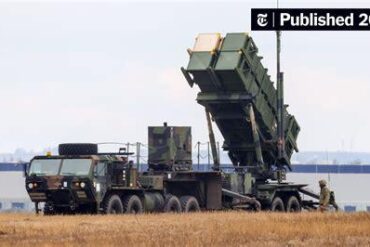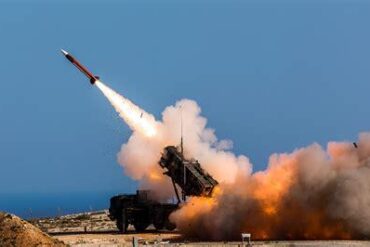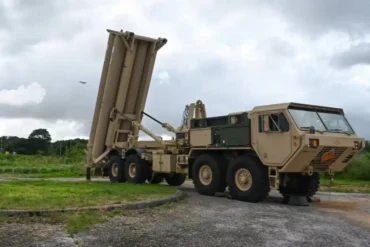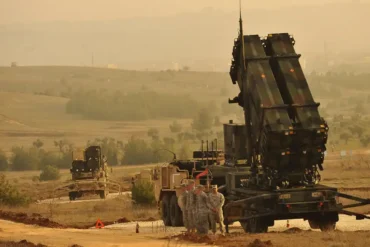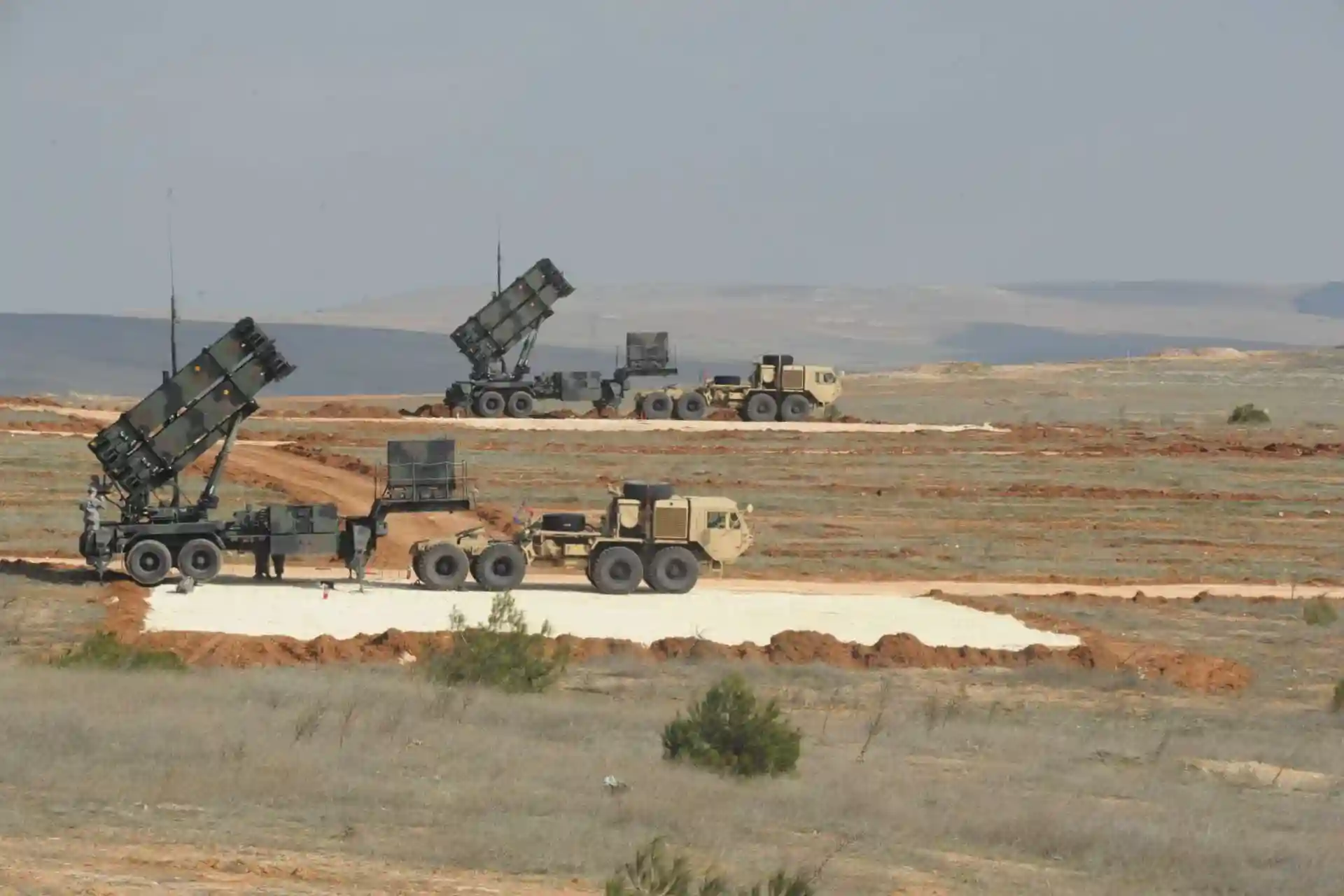
The strategic calculus along NATO’s southeastern flank has shifted decisively as NATO deploys an additional U.S. Patriot air defense system to southern Türkiye. Positioned in Adana province, the system is tasked with protecting the highly sensitive Incirlik Air Base, a cornerstone of allied air operations and regional deterrence. The move underscores a growing urgency within the alliance to counter intensifying missile and drone threats associated with Iran and its expanding strike capabilities.
This deployment is not an isolated maneuver but part of a broader recalibration of NATO’s integrated air and missile defense posture. Recent incidents involving Iranian missile trajectories and unmanned aerial systems entering or approaching Turkish airspace have forced a rapid reassessment of vulnerabilities. The reinforcement in Adana follows closely behind the earlier deployment of a Patriot battery in Malatya, effectively creating a layered defensive arc across southern Türkiye.
Strategic Importance of Incirlik in NATO’s Defense Architecture
Incirlik Air Base has long served as a critical hub for NATO operations, enabling rapid power projection across the Middle East and beyond. Its infrastructure supports combat air missions, logistical operations, and strategic deterrence assets, making it a high-value target in any escalation scenario. The presence of U.S. and allied personnel further elevates its significance, transforming its defense into a top operational priority.
The decision to fortify Incirlik with an advanced Patriot system reflects the base’s exposure to evolving threats. Unlike traditional conflict zones, the current risk environment involves complex, multi-vector attacks combining ballistic missiles, cruise missiles, and drones. Such threats demand not just coverage, but redundancy and rapid-response capability—criteria the Patriot system is designed to meet.
The Patriot System: Advanced Interception in a Multi-Threat Environment
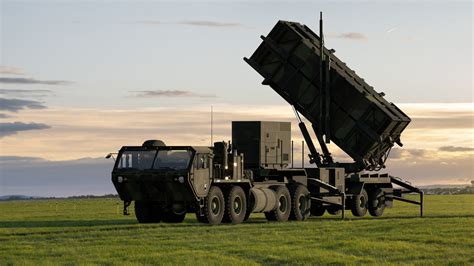
Developed by RTX, the Patriot air defense system represents one of the most sophisticated missile defense platforms in operation today. Its architecture integrates the AN/MPQ-65 phased-array radar, engagement control stations, and interceptor missiles, forming a cohesive system capable of detecting, tracking, and neutralizing a wide array of aerial threats.
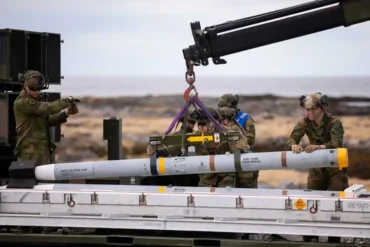
At the heart of its effectiveness lies the PAC-3 Missile Segment Enhancement interceptor, which employs hit-to-kill technology. Instead of detonating near a target, it achieves direct kinetic impact, dramatically increasing precision while minimizing collateral damage. This capability is particularly critical against high-speed ballistic missiles, where engagement windows are measured in seconds.
Equally significant is the system’s ability to track over 100 targets simultaneously and engage multiple threats in parallel. In an era where adversaries deploy saturation tactics—launching numerous projectiles to overwhelm defenses—this capacity ensures sustained operational resilience. The deployment in Adana therefore represents not just a defensive upgrade, but a shift toward high-intensity readiness.
Layered Defense and Allied Interoperability in Southern Türkiye
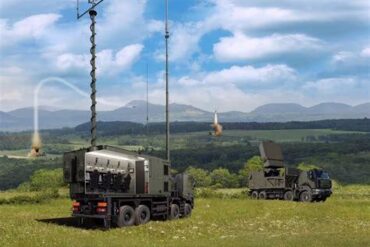
The newly deployed U.S. Patriot battery does not operate in isolation. It complements an existing Spanish-operated system already stationed in the region, creating a layered and redundant defense network. This dual-layer configuration significantly enhances interception probability by providing overlapping coverage and multiple engagement opportunities.
Interoperability between allied systems is central to this approach. Through a shared command-and-control framework, U.S. and Spanish units can coordinate targeting data, synchronize responses, and reduce reaction times. The result is a more cohesive defensive shield capable of adapting dynamically to incoming threats, including maneuvering ballistic missiles and low-observable cruise missiles.
This integration extends beyond individual systems to encompass NATO’s broader missile defense network. The Patriot deployments are closely linked with early-warning assets, enabling a seamless flow of data from detection to interception.

Malatya Deployment and the Role of Early Warning Systems
The earlier deployment in Malatya plays a pivotal role in this defense architecture. Located near the Kürecik radar site, it is integrated with the AN/TPY-2 radar, a forward-deployed sensor capable of long-range missile detection. This radar provides early tracking data, allowing Patriot batteries to prepare engagement solutions before threats enter their immediate range.
The importance of this sensor-to-shooter linkage cannot be overstated. In missile defense, time is the most critical variable. Early detection translates directly into increased interception probability, particularly against high-velocity ballistic threats. By combining the Malatya radar with Patriot systems in both Malatya and Adana, NATO effectively compresses response timelines while expanding defensive coverage.
This layered configuration transforms southern Türkiye into a fortified corridor, capable of absorbing and countering complex attack patterns. It also signals a transition from reactive defense to proactive deterrence.
Iran-Linked Threat Evolution and Regional Security Implications
The catalyst for this rapid deployment lies in the evolving threat landscape associated with Iran. Recent operational patterns indicate a shift toward coordinated strike packages that combine ballistic missiles with one-way attack drones. These multi-axis assaults are designed to exploit gaps in traditional air defense systems, overwhelming them through sheer volume and complexity.
Türkiye’s geographic proximity to Iran, Iraq, and Syria places it within range of multiple missile systems, making it particularly vulnerable to such tactics. The reinforcement of Patriot deployments directly addresses this vulnerability by increasing both defensive depth and engagement capacity.
Beyond immediate defense, the move carries broader strategic implications. It reinforces NATO’s commitment to collective security while signaling to adversaries that escalation will be met with credible defensive measures. In doing so, it strengthens deterrence without crossing into offensive escalation.
A Shift Toward Persistent High-Readiness Posture
Perhaps the most significant aspect of this deployment is what it represents operationally. NATO’s presence in the region is transitioning from rotational deployments to a more persistent, combat-ready posture. This shift reflects the recognition that missile and drone threats are no longer sporadic or confined to active conflict zones—they are continuous, evolving, and increasingly directed toward allied territory.
Protecting Incirlik Air Base is central to this posture. As a forward operating location capable of supporting high-tempo missions, its security underpins NATO’s ability to project power and maintain stability across a volatile region. The addition of multiple interoperable Patriot systems ensures that this capability remains intact even under sustained threat conditions.
In reinforcing southern Türkiye, NATO is not merely responding to immediate risks—it is redefining its defensive architecture for a new era of warfare, where speed, integration, and resilience determine the balance between vulnerability and security.