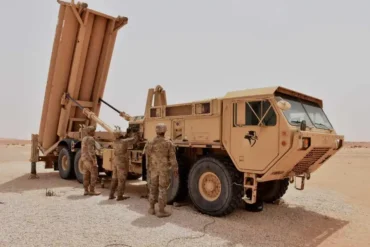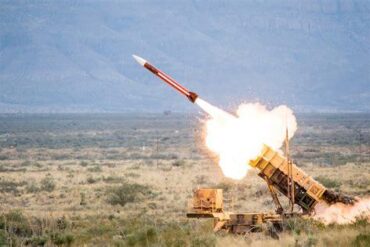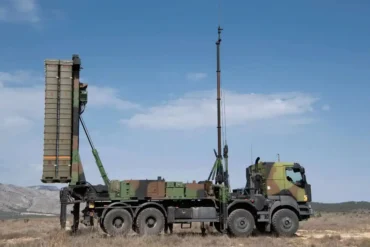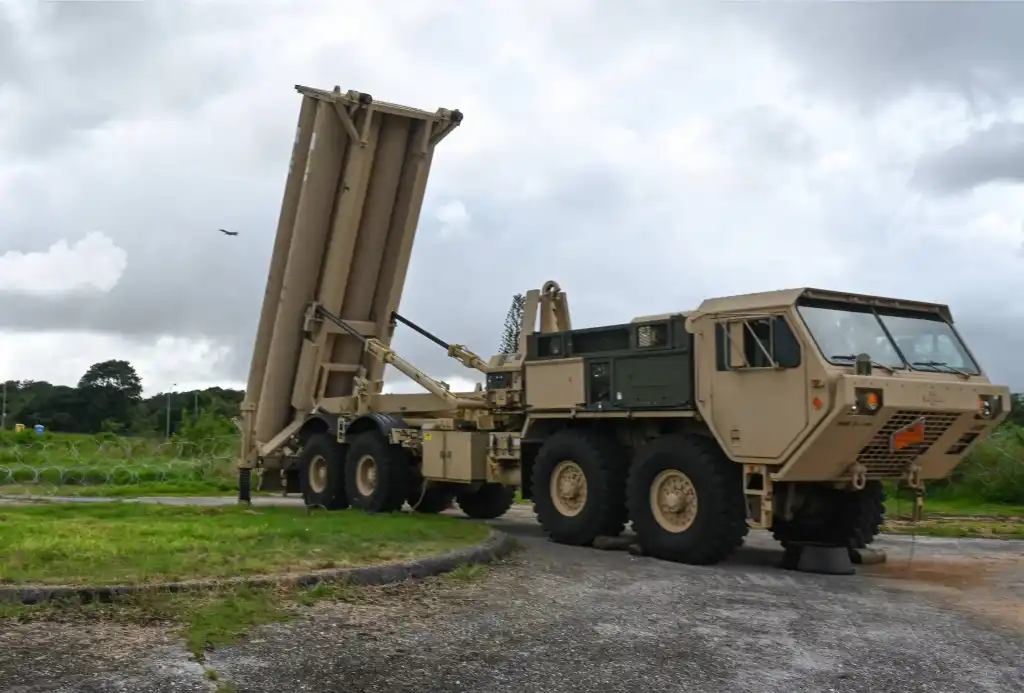
The United States has moved decisively to reinforce its military posture in the Middle East, deploying additional THAAD and Patriot PAC-3 air and missile defense systems as tensions with Iran escalate. The redeployment, reported by multiple U.S. defense and intelligence officials, reflects a shift from symbolic deterrence toward a more operationally prepared stance, designed to protect U.S. forces, allies, and critical infrastructure against a widening spectrum of Iranian missile and drone threats.
This latest move comes amid a period of heightened volatility following a last-minute halt to planned U.S. strikes earlier this month. President Donald Trump, according to senior officials, has pressed national security advisers to present more decisive military options, signaling impatience with prolonged restraint. The relocation of high-value defensive systems suggests Washington is preparing not only to absorb potential retaliation, but to sustain freedom of action in a fast-moving crisis environment.
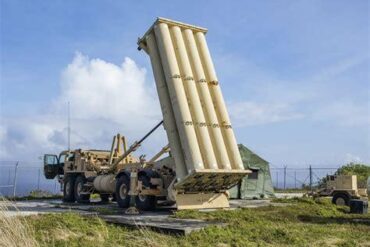
At the core of the deployment is the integration of Terminal High Altitude Area Defense with existing Patriot batteries across the Gulf. THAAD is designed to intercept medium- and intermediate-range ballistic missiles in the upper atmosphere using hit-to-kill technology, destroying targets through kinetic energy rather than explosive warheads. Its presence significantly expands engagement envelopes, allowing earlier interception and reducing the burden on lower-tier systems tasked with point defense.
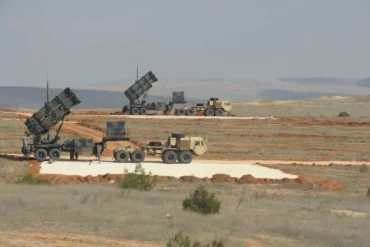
The Patriot PAC-3, meanwhile, remains the backbone of regional air defense, optimized for countering short-range ballistic missiles, cruise missiles, and advanced aerial threats. When networked with THAAD through U.S. and allied command-and-control systems, the result is a layered defensive architecture capable of tracking, prioritizing, and engaging multiple incoming targets nearly simultaneously. This integration is particularly relevant given Iran’s demonstrated emphasis on saturation attacks, combining ballistic missiles, land-attack cruise missiles, and one-way attack drones.
U.S. defense planners view this layered approach as essential for safeguarding forward-deployed forces in Kuwait, Saudi Arabia, Qatar, and the United Arab Emirates, as well as major logistics hubs and air bases that would be critical in any sustained operation. The deployments also reassure regional partners who remain acutely aware of their exposure to Iranian missile forces, many of which are positioned within minutes of launch range.
The air defense buildup is being matched at sea. The USS Abraham Lincoln (CVN-72) carrier strike group has been redirected to the Middle East after transiting from the Indo-Pacific, placing a full carrier air wing within operational reach of Iranian territory. Carrier-based strike fighters, electronic warfare aircraft, and airborne early warning platforms provide a flexible instrument of power projection, capable of conducting precision strikes or enforcing maritime control without reliance on host-nation basing.
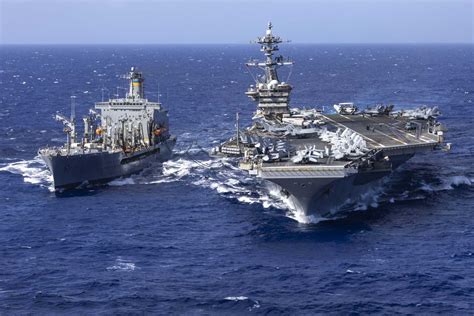
This naval presence is reinforced by a broader strike and surveillance network stretching across the region. Strategic bombers operating on rotational alert, along with RC-135 Rivet Joint and RQ-4 Global Hawk intelligence platforms, are feeding a continuous stream of data into U.S. Central Command. The result is an increasingly dense picture of Iranian military activity, from missile unit movements to naval patrol patterns in the Strait of Hormuz.
From Washington’s perspective, the message to Tehran is calibrated but unmistakable. Officials describe the current posture as defensive in nature, yet intentionally robust enough to deny Iran confidence in the effectiveness of retaliatory strikes. The goal is deterrence through denial, reducing the likelihood that Iran could achieve meaningful military or political gains through missile attacks on U.S. or allied targets.
Iranian leaders, however, have responded with sharp rhetoric and visible military signaling. Western intelligence assessments indicate that elements of Iran’s missile forces have been repositioned toward western launch corridors, while the Islamic Revolutionary Guard Corps Navy has increased its operational tempo in strategic waterways. Tehran has warned that any attack on Iranian soil would trigger a broad response against U.S. interests across the region, a threat taken seriously by American planners given Iran’s extensive proxy network.
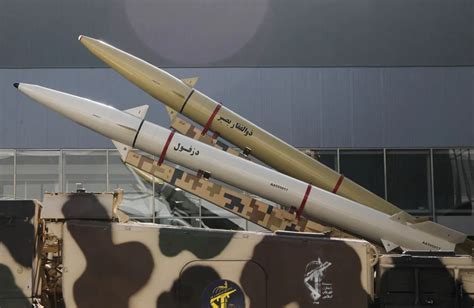
Israel and Gulf partners are deeply engaged in the evolving situation. Israeli defense officials have emphasized the importance of interoperability, particularly in missile warning and tracking, as they prepare for the possibility of a coordinated Iranian response involving Hezbollah and other aligned groups. Gulf states, meanwhile, see the U.S. deployments as a critical backstop at a moment when regional security calculations are being rapidly recalibrated.
Beyond the immediate crisis, the redeployment carries strategic implications. Shifting missile defense assets from the Indo-Pacific to the Middle East underscores a reassessment of near-term threat priorities, even as competition with China remains a central concern. For U.S. allies, it signals that Washington is willing to reallocate scarce, high-demand capabilities when regional stability is at risk.
The current posture evokes comparisons to earlier flashpoints, notably the aftermath of the 2020 killing of Qassem Soleimani, when both sides edged toward open conflict before pulling back. What distinguishes the present moment is the scale and integration of defensive systems now in place, combined with a more explicit willingness by U.S. leadership to contemplate limited but forceful action.
As diplomatic channels remain strained and military forces operate at elevated readiness, the margin for miscalculation is narrow. The deployment of THAAD and Patriot systems does not guarantee stability, but it significantly alters the strategic equation. By hardening its defenses while maintaining credible offensive options, the United States is signaling that it intends to shape the terms of any confrontation, rather than react to it.