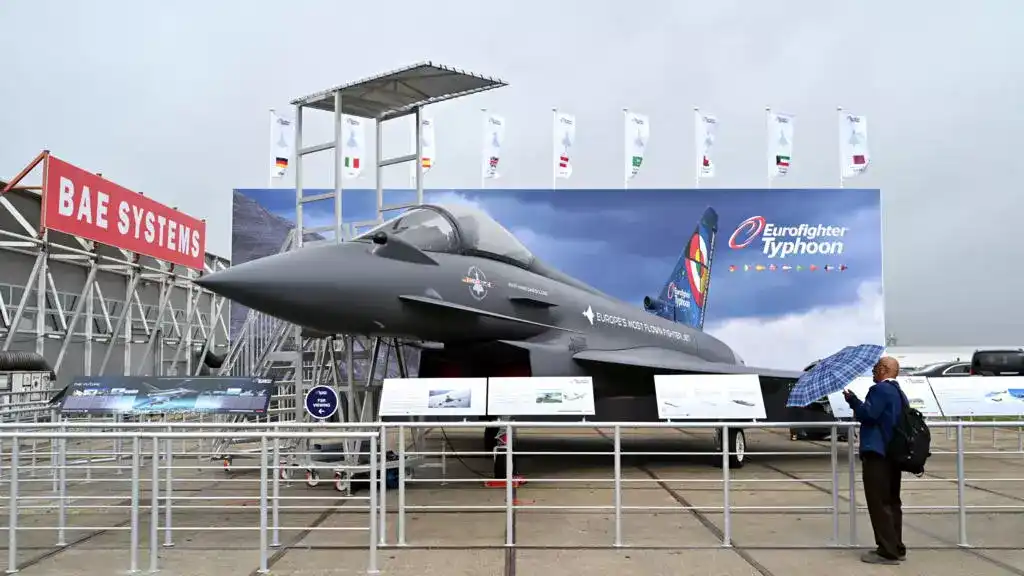
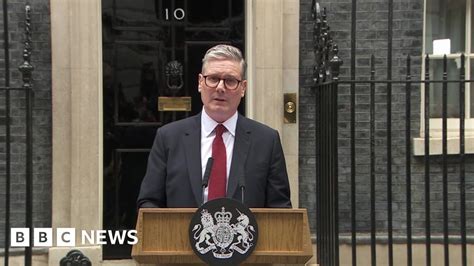
Amid escalating hostilities between Iran and Israel, the United Kingdom has deployed a significant array of military assets to the Middle East, signaling a heightened state of readiness and strategic positioning. Prime Minister Keir Starmer announced the movement of fighter jets and support equipment as a measure of “contingency support,” reflecting London’s intention to bolster its deterrent footprint without committing to direct intervention—at least for now.
The decision comes during Starmer’s transit to Canada for the G7 summit, where global security and regional instability in the Middle East are key agenda items. While the British government has remained cautious in its rhetoric, the scale and depth of the UK’s existing and newly repositioned military assets speak volumes about the seriousness with which it views the unfolding conflict.
UK’s Tactical Response: Eurofighter Typhoons and Refuelling Support
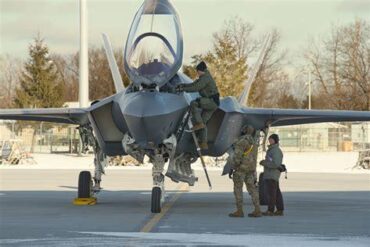
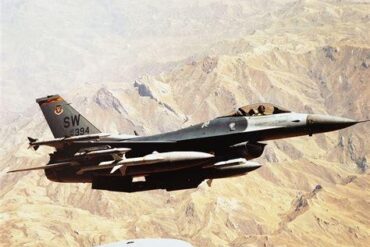
The core of Britain’s latest deployment includes Eurofighter Typhoon jets, among the RAF’s most advanced multirole aircraft. Designed for air superiority and precision strike missions, the Typhoon’s versatility makes it particularly well-suited for dynamic conflict theaters like the Middle East. These aircraft are backed by air-to-air refuelling tankers, critical for extended patrols and operational reach across vast desert expanses and contested airspace.
The UK’s Ministry of Defence has not specified the number of Typhoons redeployed, but it confirmed that these aircraft would integrate with existing operations in the region under Operation Shader. This ongoing mission, launched in 2014, represents the UK’s contribution to the international coalition against the Islamic State (IS) group.
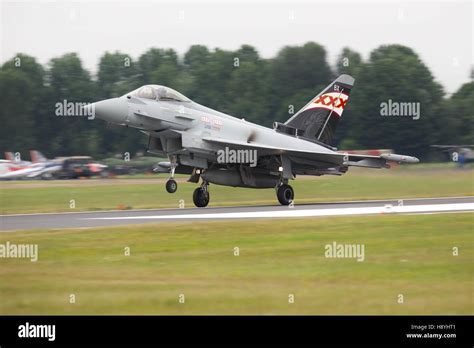
This is not the first instance of UK jets engaging in regional defense. In April 2024, British Typhoons actively supported Israel’s air defense against Iranian drone attacks, as confirmed by former Prime Minister Rishi Sunak. That mission—although not openly declared as a combat operation—marked one of the rare moments where British air power was directly involved in the defense of a non-NATO ally under active missile assault.
RAF Akrotiri: The Strategic Nerve Center in Cyprus
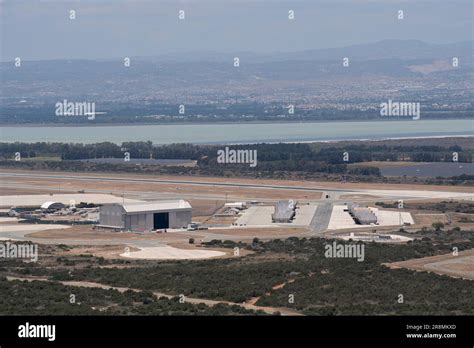
Most of the UK’s fast jets and support aircraft operate out of RAF Akrotiri, a vast airbase on the southern coast of Cyprus. This installation serves as the largest British military base in the Eastern Mediterranean and acts as the primary launchpad for Operation Shader missions. The RAF maintains a full spectrum of capabilities at Akrotiri, including transport aircraft, air-to-air refuelling tankers, and intelligence, surveillance and reconnaissance (ISR) platforms.
The BBC reports that the newest deployment of Typhoon fighters will also operate from Akrotiri, reinforcing the base’s role as a vital strategic asset. RAF Akrotiri, alongside the secondary British base in Dhekelia, forms a permanent forward-operating platform for the UK military, allowing rapid response to crises across the Levant, Gulf, and Horn of Africa.
Additionally, the RAF’s operational headquarters for the Middle East is located at Al Udeid Air Base in Qatar, which it shares with the United States Air Force (USAF). This base allows for deep-strike missions and synchronized multinational operations, especially important if tensions escalate into a broader regional conflict.
Wide-Reaching Network of UK Air Assets in the Gulf
Beyond Akrotiri, the RAF also operates from several other key locations:
- Al Minhad Air Base in the United Arab Emirates, a logistical and operational hub
- Al Musannah Air Base in Oman, enhancing maritime and land-based coverage in the Arabian Peninsula
These bases contribute to the UK’s robust military infrastructure in the region, offering staging ground for both air and ground missions. While not all aircraft are permanently stationed there, they provide rapid deployment options and critical redundancy.
Royal Navy’s Presence: Frigates and Minehunters in the Gulf
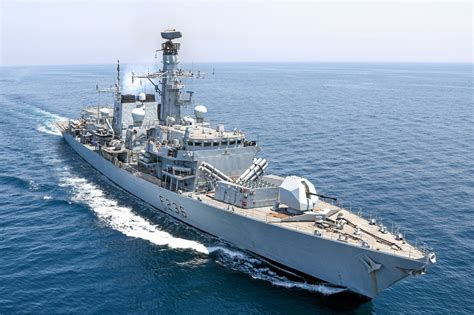
Complementing the RAF’s airborne posture is a formidable naval presence centered around the UK Naval Support Facility in Bahrain, the Royal Navy’s permanent operations hub in the Persian Gulf. This base hosts a Type 23 frigate, four mine-countermeasure vessels, and a Royal Fleet Auxiliary (RFA) support ship.
The Type 23 frigate, designed primarily for anti-submarine warfare, also excels in surface combat and convoy protection roles—key tasks in the congested and often contested waters of the Strait of Hormuz. These vessels are essential to maintaining freedom of navigation in one of the world’s most strategically vital maritime chokepoints.
Moreover, since 2018, the Royal Navy has operated a logistical base at Duqm Port in Oman. This facility enables the support and resupply of larger vessels, including aircraft carriers and amphibious ships, ensuring operational sustainability far from UK home waters.
British Army Footprint and Ground Presence
Though the current escalation has not yet involved substantial ground troop deployments, the British Army maintains a steady presence in the Middle East. In Cyprus, two infantry battalions are permanently deployed, tasked with base defense, regional quick reaction force duties, and logistical support.
As of April 2024, approximately 2,220 British soldiers were stationed across the Cypriot bases. These troops form a vital link in Britain’s ability to project land power across the Eastern Mediterranean, North Africa, and the Middle East.
In Iraq, the UK continues to support counter-insurgency operations and training missions aimed at enhancing local security forces’ ability to resist remnants of IS. Around 200 British personnel are currently deployed across Iraqi and Kurdish-controlled areas, specializing in tactical training, battlefield medicine, and counter-IED operations.
Strategic Rationale Behind the Deployment
The UK’s decision to expand its military footprint in the region is rooted in both geopolitical caution and military preparedness. While London has not formally aligned itself with Israel in the latest skirmish against Iran, its proactive posture suggests that it is preparing for a potential spillover scenario.
Iran has issued stark warnings that it will target American, British, and French military installations if any of those countries intervene directly in Israel’s favor. By enhancing air defenses and readiness levels without crossing the threshold into active combat, the UK maintains strategic ambiguity—a move that deters aggression without provoking escalation.
Furthermore, the deployment serves a dual political purpose: it reassures regional allies and demonstrates the UK’s continued relevance on the global security stage following its exit from the European Union. Participation in Operation Shader and broader counterterrorism efforts gives the UK a diplomatic platform to advocate for stability and de-escalation at upcoming summits like the G7.
Future Implications and Escalation Scenarios
Whether Britain becomes directly involved in a shooting war remains uncertain. Prime Minister Starmer has refrained from committing to any offensive military support but has left open the possibility of further reinforcements if British interests or personnel are threatened. The assets already in place—fighters, surveillance aircraft, warships, and ground troops—provide a powerful framework for any eventual response.
However, analysts caution that even limited UK engagement could draw it into a wider regional war. With Hezbollah active in southern Lebanon, Houthi forces in Yemen capable of striking across the Gulf, and Iranian proxies operating in Iraq and Syria, the theatre remains volatile. British military commanders will need to carefully calibrate their moves to avoid mission creep while ensuring national and allied security.
Conclusion: A Delicate Balancing Act in a Volatile Region
The UK’s latest military deployments to the Middle East underscore its enduring commitment to regional security, even as the threat of wider war looms. By reinforcing its air, naval, and ground assets, Britain is taking a calculated stand—one that bolsters deterrence while hedging against direct involvement. Whether this balance can be maintained in the coming days will depend not just on British strategy but also on the unpredictable course of Middle Eastern geopolitics.