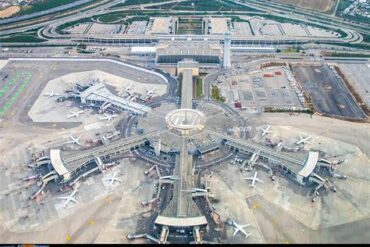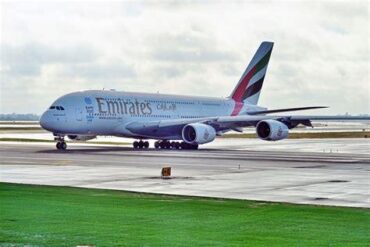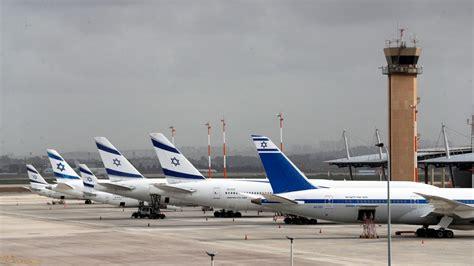
The skies over the Middle East are growing increasingly hostile as geopolitical tensions between Israel and Iran escalate into a broader travel and aviation crisis. In an unprecedented wave of disruption, major international carriers—including United Airlines, Lufthansa, Emirates, Qatar Airways, and FlyDubai—have suspended key flight routes amid heightened concerns over airspace safety and escalating military conflict.
Middle East Conflict Sparks Aviation Crisis
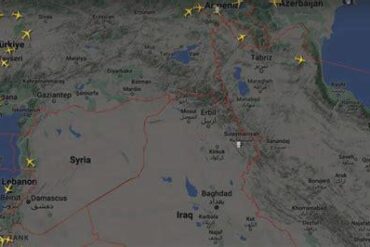
The recent flare-up between Israel and Iran has triggered a ripple effect across global aviation networks. As missiles are reportedly exchanged and regional militias mobilize, airspace over critical regions such as Iraq, Iran, Syria, Jordan, and Israel has become increasingly restricted or outright dangerous for commercial overflight. This has placed an enormous burden on international airlines, forcing many to reroute or cancel flights entirely to ensure passenger and crew safety.
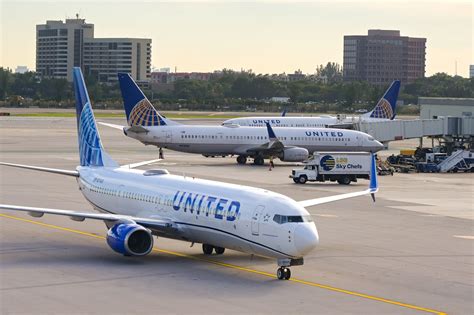
United Airlines Pulls Out of Tel Aviv Temporarily
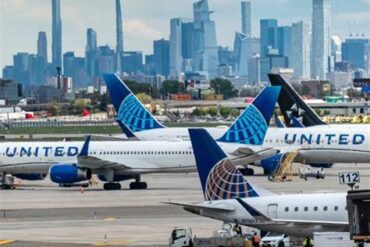
United Airlines, one of the key U.S. carriers serving the Middle East, was among the first to act decisively. On the heels of reports about missile threats and regional airspace closures, United announced the suspension of its daily flights between Newark Liberty International Airport and Tel Aviv’s Ben Gurion Airport. The airline cited a thorough safety analysis conducted in collaboration with U.S. governmental agencies and security advisers. While United has emphasized that the pause is temporary, no clear timeline has been established for resumption.
This is not the first time United has had to halt operations to Tel Aviv. Past episodes of Gaza conflict flare-ups have resulted in similar suspensions. However, the scale of current military mobilization and the multinational scope of potential engagement—including Iran-backed proxies in Lebanon, Syria, and Yemen—suggest longer-term ramifications.
Lufthansa Group Implements Comprehensive Suspensions
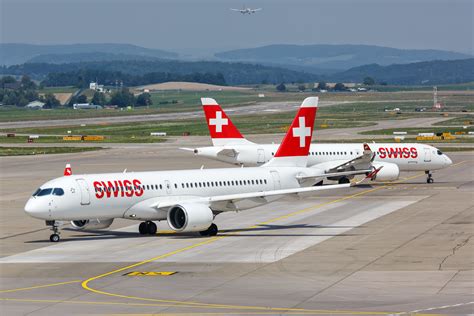
Germany’s Lufthansa Group, which includes Austrian Airlines and Swiss International Air Lines, has taken aggressive measures by suspending all flights not only to Tel Aviv but also to Beirut, Amman, and Tehran. The airline stated that the move was based on “ongoing security assessments and airspace restrictions” across the region. It also announced the cancellation of all overflights across Iranian and Iraqi airspace, which are critical corridors for routes between Europe and Asia.
This disruption has implications beyond passengers—it heavily impacts cargo logistics, particularly for Germany’s vast export network to Asian markets. Rerouting flights around these zones could add 2–3 hours of flight time, significantly increasing fuel consumption, costs, and carbon emissions.
Gulf Carriers Brace for Continued Disruption
Among the most affected are Middle Eastern carriers, particularly those operating major hub-and-spoke networks. Emirates, Qatar Airways, and FlyDubai—each with substantial operations connecting Asia, Africa, and Europe via their Gulf hubs—have all had to cancel or reroute dozens of daily flights.
- Emirates Airlines suspended flights to Tel Aviv and Beirut and is closely monitoring routes over Syria and Iran.
- Qatar Airways temporarily halted operations to Amman, Beirut, and Baghdad.
- FlyDubai, a budget airline with high traffic volumes into conflict-sensitive regions, paused services to multiple destinations including Tehran and Basra.
Notably, Qatar Airways had previously invested in building deep inroads into European and African markets through these very corridors. With airspace over Iraq and Iran deemed hazardous, many of the carrier’s transcontinental flights are now forced to detour over Turkey and Central Asia, lengthening journeys and stressing aircraft turnaround schedules.
Airspace Closures: A Domino Effect on Global Routes
What began as localized airspace concerns around Israel and Gaza has now escalated into a widespread closure of multiple Flight Information Regions (FIRs). Key FIRs over Baghdad, Tehran, and Damascus are now either closed or restricted, following joint notices by the International Civil Aviation Organization (ICAO) and regional aviation authorities. The Federal Aviation Administration (FAA) has also issued emergency directives prohibiting U.S. aircraft from operating in certain Middle East corridors.
This airspace lockdown presents a massive obstacle for intercontinental flights. Routes from Europe to India, China, and Southeast Asia—typically passing through Iran and Pakistan—are undergoing aggressive reconfiguration. Carriers are now rerouting via the Caucasus or the Arabian Sea, which introduces serious challenges for crew duty limitations, fuel availability at alternate airports, and flight time extensions.
Passenger Impact: Delays, Cancellations, and Financial Fallout
For passengers, the repercussions are swift and severe. Thousands of travelers have been stranded or forced to change itineraries. Passengers booked on United’s Tel Aviv flights received notifications offering refunds or future travel credit, but many were left scrambling for alternatives. Lufthansa’s broader suspension across the Middle East has left European business travelers and Middle Eastern expats without feasible routes.
Moreover, the high frequency of codeshare flights between U.S. and European carriers further complicates ticket rebooking. A canceled Lufthansa flight from Frankfurt to Amman, for instance, may also affect travelers who booked via United or Air Canada.
This crisis also coincides with the peak summer travel booking season, when airlines expect robust revenues from long-haul international routes. The resulting cancellations are expected to slash revenue forecasts, increase compensation liabilities, and drive up operational costs across the board.
Security Protocols and International Coordination Intensify
Behind the scenes, aviation authorities and intelligence agencies are locked in constant coordination. The FAA, European Union Aviation Safety Agency (EASA), and their regional counterparts are updating threat assessments nearly hourly. Satellite intelligence, real-time radar tracking, and missile defense system alerts are feeding into dynamic rerouting protocols.
Meanwhile, airlines are leveraging their own security infrastructure, including contracted risk consultants, airspace analytics providers like OPSGROUP, and in-house crisis response teams. This real-time data feed allows flight dispatchers to make minute-by-minute routing decisions, albeit at the cost of enormous logistical strain.
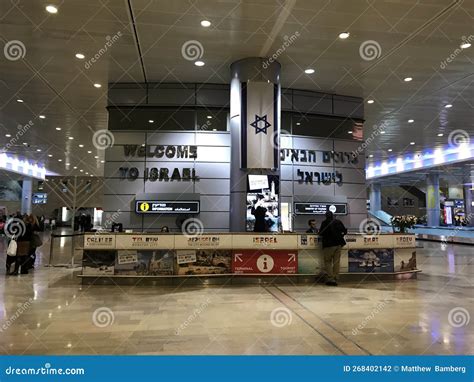
In Tel Aviv and Amman, airport authorities have boosted military presence on tarmacs, reinforced security perimeters, and restructured terminal access for faster evacuations if needed. These changes are also affecting airline staff rotations, catering supply chains, and baggage handling efficiency.
Rising Geopolitical Risks for Civil Aviation
The latest developments underscore the fragility of international air transport amid geopolitical volatility. The Israel-Iran conflict introduces risk factors that far exceed standard war zone assessments. This is not a localized insurgency or civil war—it is a state-to-state confrontation with regional ripple effects, involving missile technology capable of reaching high-altitude aircraft in cruise.
While most major airlines carry war risk insurance, the current climate could lead to skyrocketing premiums or coverage restrictions. Analysts also warn that more carriers might suspend operations preemptively, especially if retaliatory strikes or proxy engagements in Lebanon and Syria intensify.
What Lies Ahead: Risk Calculus and Flight Path Realignment
As of mid-June 2025, the aviation sector remains in a holding pattern of caution and improvisation. Airlines are reviewing their Middle Eastern schedules on a rolling basis, with some offering limited rebookings via alternative hubs such as Athens, Istanbul, and Cairo.
However, even these hubs face spillover risks. Istanbul’s role as a major transit point may be tested if NATO-member Turkey becomes further entangled in the crisis. Egypt’s Sinai airspace, previously used as a detour for Gaza-related suspensions, is also under watch following drone incursions near Rafah.
For now, industry analysts believe that a return to normalcy depends entirely on rapid de-escalation and verified ceasefires. In the absence of diplomatic breakthroughs, air travel in and out of the region will likely remain constrained.
Airlines are preparing for extended disruptions. Many have quietly started reassigning wide-body aircraft to safer routes, adjusting crew rosters, and revamping ticketing policies. Global travelers should brace for a summer of uncertainty, where safety decisions override schedule reliability.