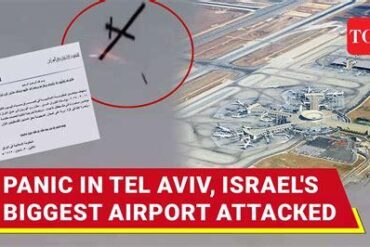
As tensions escalate between Israel and Iran, a wave of international airlines—including SWISS, Air France, Air India, Qatar Airways, Azerbaijan Airlines, Emirates, El Al, ITA Airways, and others—have either canceled flights to Tel Aviv or revised their air routes to avoid Israeli airspace. This sweeping move signals the gravity of the heightened security risk gripping the Middle East following an intensification in military threats and retaliatory rhetoric between the two regional powers.
Mounting Security Concerns Over Israel-Iran Hostilities
The current air travel disruptions stem from escalating tensions that have intensified since early June. Following increased missile strikes across the Syrian border and persistent threats of Iranian retaliation against Israeli interests, multiple intelligence sources warned commercial carriers of an elevated risk to aviation safety, particularly in Israeli airspace. The Israeli Civil Aviation Authority (CAA) has reportedly updated its air defense protocols, urging heightened vigilance, while the U.S. Federal Aviation Administration (FAA) has advised American carriers to exercise extreme caution when operating in or near the region.
Airlines Respond: Cancellations, Reroutes, and Modified Schedules
In response to the rapidly evolving threat landscape, several major carriers have taken decisive measures to protect passengers and crew:
Air France
The French national airline has suspended all flights to Ben Gurion Airport in Tel Aviv “until further notice.” A spokesperson confirmed the airline is working closely with the French government and international aviation authorities to monitor the situation.
SWISS International Air Lines
SWISS confirmed that it has canceled all flights to and from Tel Aviv, citing a sudden deterioration in security assessments. The airline’s statement emphasized a priority on safety and noted that affected customers will be offered free rebooking options or refunds.
Qatar Airways
Despite lacking direct service to Israel due to diplomatic reasons, Qatar Airways has rerouted several long-haul flights that previously skirted Israeli airspace. Updated flight paths now loop further south via Saudi Arabia and Egypt, causing minor delays.
Emirates and Flydubai
Both Emirates and its sister carrier Flydubai—which normally operate several daily flights to Tel Aviv—have temporarily suspended services, citing the uncertainty of the regional situation. The UAE’s General Civil Aviation Authority has issued updated advisories to carriers operating over Middle Eastern conflict zones.

El Al Israel Airlines
El Al, Israel’s flag carrier, continues to operate but has announced contingency plans, including the deployment of security officers onboard and modified flight paths that limit exposure to potential conflict zones. The airline also emphasized that it is working in conjunction with the Israel Defense Forces (IDF) to stay updated on military developments.
ITA Airways
The Italian national carrier ITA Airways has joined other European airlines in canceling Tel Aviv-bound flights for the week. Passengers were notified via SMS and email and were offered alternative routings via Istanbul or Athens.
Air India and Azerbaijan Airlines
Air India has suspended flights between Delhi and Tel Aviv, citing crew safety. Meanwhile, Azerbaijan Airlines, which has played a growing role in Israel’s regional connectivity, has canceled all flights until the Israeli CAA downgrades the current threat level.
Impact on Passengers and Regional Air Travel Infrastructure
Thousands of travelers have been stranded, with ripple effects across major European and Gulf hubs, including Heathrow, Charles de Gaulle, Frankfurt, Dubai International, and Doha Hamad Airport.
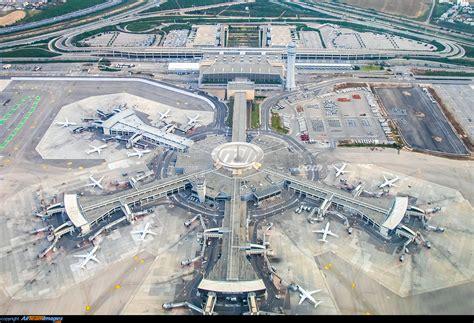
Tel Aviv’s Ben Gurion Airport, Israel’s primary international gateway, remains operational but at limited capacity. A combination of cancelations, reroutes, and reduced frequencies have slashed traffic by nearly 40% over the past 72 hours. Airport officials have advised travelers to check with airlines prior to departure.
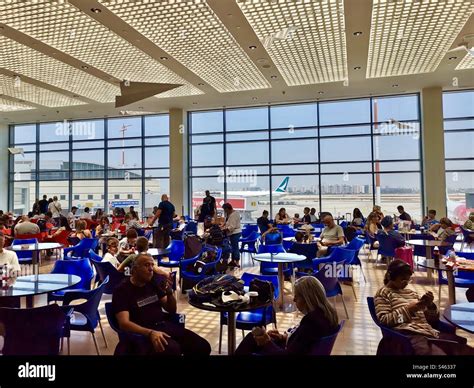
Security measures at Ben Gurion have also intensified. All arriving flights undergo elevated screening, and extra security personnel have been deployed throughout terminal areas. Civil aviation staff are operating under contingency planning, with emergency shelters and rerouting protocols activated in case of missile attacks.
Military and Political Factors Driving the Crisis
The heightened alert follows a series of retaliatory airstrikes between Israeli and Iranian proxy forces. Iranian-backed groups operating out of Syria and Lebanon have targeted the Golan Heights, prompting Israeli counterstrikes on key Syrian military installations. Intelligence leaks suggest that Iran may be preparing cyber and drone-based disruptions targeting Israeli infrastructure, including aviation-related systems.
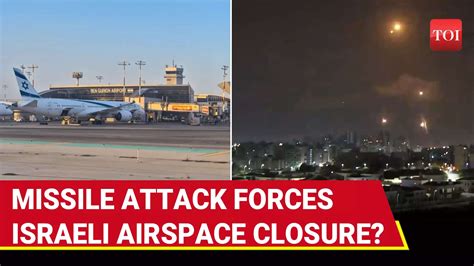
In response, Israel has reinforced its Iron Dome missile defense systems across central Israel, including areas surrounding Tel Aviv, Haifa, and Ashdod. Defense analysts suggest that Israeli airspace could become a no-fly zone if military escalation crosses a critical threshold.
Diplomatic efforts have been tepid. The UN Security Council has called for de-escalation, while the European Union urged member airlines to follow strict risk assessments. Still, the pace and severity of events on the ground have forced carriers to make real-time decisions, prioritizing crew safety and insurance liabilities over operational continuity.
Airspace Management: A Broader Strategic Realignment
The current crisis has also reshaped regional air traffic flows. Carriers that previously flew over Jordan, Israel, and Syria en route to Asia or Africa have been forced to divert. This has lengthened flight times and increased fuel costs, prompting fresh challenges for aviation planning. For example:
- Singapore Airlines and Cathay Pacific now route through Egyptian and Saudi airspace.
- Turkish Airlines has suspended interlining operations with Israeli carriers.
- Lufthansa Group, which had resumed Tel Aviv flights just weeks ago, has again placed services under review.

Industry analysts warn that extended avoidance of Israeli airspace could strain East-West flight corridors, especially given the concurrent Ukrainian airspace closure due to the ongoing Russia-Ukraine conflict. Airlines face growing pressure to maintain punctuality while avoiding increasingly volatile zones.
What’s Next for Commercial Aviation in the Region?
The fluid nature of Middle East geopolitics makes it difficult to predict a swift resolution. If the situation deteriorates further, Israeli airspace may face a full international boycott, barring only military and essential humanitarian flights.
Insurers are already tightening coverage for carriers operating in the region, raising premiums for those still serving Tel Aviv. Airlines may need to adopt hybrid strategies involving codeshare rerouting, layovers at safer hubs, or even temporary regional alliances to maintain minimal connectivity without placing crews at risk.
Meanwhile, Israel’s aviation infrastructure is reportedly undergoing silent upgrades. Emergency airfields have been placed on standby, and hardened shelters for aircraft have been reinforced at military-civilian dual-use airports like Ovda and Ramon.
Final Thoughts: A Test of Resilience for Global Aviation
This unfolding disruption is not merely about one destination. It reflects the global vulnerability of air travel to political upheaval and regional conflict. With airlines increasingly forced to factor in real-time geopolitical risk, the days of predictable international schedules are waning. For passengers, the message is clear: flexibility, real-time updates, and insurance coverage are more essential than ever.
As the situation continues to develop, airlines, regulators, and travelers alike will be watching closely—hoping for calm, but bracing for the turbulence ahead.