Delta Airlines has announced the suspension of its New York-JFK to Tel Aviv route through at least August 2025, citing serious security concerns and operational uncertainties as tensions in the Middle East continue to escalate. The decision marks one of the most consequential route pauses for a U.S. carrier in recent years and underscores the growing volatility affecting global aviation.
The route, which has been an integral part of Delta’s international long-haul network, was initially suspended in late 2023 due to the outbreak of renewed conflict in the region. While Delta had expressed hope of resuming the flights in 2024, prolonged instability, increased security risks for commercial operations, and mounting geopolitical complexities have forced the carrier to extend the suspension well into the following year.
Delta’s Longstanding Commitment to Tel Aviv Interrupted
Delta’s service to Tel Aviv dates back more than a decade and has been a key link for both business and leisure travelers between the United States and Israel. Operating the route from its JFK hub in New York, the airline leveraged its strategic position on the U.S. East Coast to offer seamless one-stop connections from across the country.
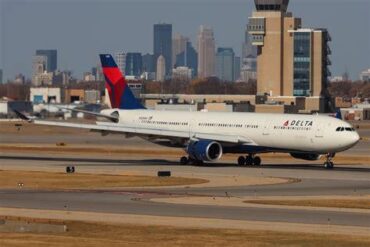
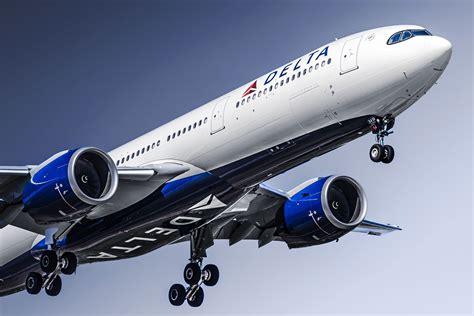
The route became especially important for corporate travel and tech-sector links, given the strong economic ties between New York and Tel Aviv. The daily widebody flights on the Airbus A330 and A350 aircraft not only supported passenger flows but also provided significant cargo capacity, supporting transatlantic trade with Israel’s dynamic technology and healthcare sectors.

However, the deteriorating situation in and around Israel—punctuated by escalations in violence, military operations, and the increased threat to civil aviation corridors—has prompted airlines around the world to reassess the safety of operations in the region. Delta’s move is part of a broader shift among Western carriers that are opting for caution over profitability amid continued uncertainty.
Safety First: Delta’s Passenger-Centric Decision
In announcing the suspension, Delta emphasized its unwavering commitment to passenger and crew safety, noting that ongoing conditions in the Eastern Mediterranean and the Levant region no longer allow for predictable and secure scheduling. The airline stated that “safe and reliable operations remain our top priority,” and that it is actively monitoring developments in coordination with U.S. authorities and global aviation safety bodies.
For Delta, this is not just a business decision. It reflects the increasingly complex calculations airlines must make when balancing geopolitical risk against commercial demand. Since the route has seen consistently strong load factors in recent years, it’s clear that the airline is making a substantial short-term financial sacrifice in favor of long-term security and trust.
Passengers affected by the suspension have been offered a range of options including full refunds, alternative routings via codeshare partners, or credit for future Delta travel. The carrier’s SkyTeam alliance provides some flexibility through connections with partners such as Air France and KLM, which continue to serve Tel Aviv via Europe, albeit under similarly dynamic operating conditions.
Tel Aviv’s Strategic Role in Global Aviation
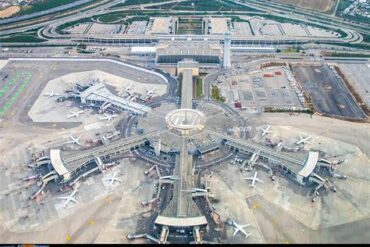
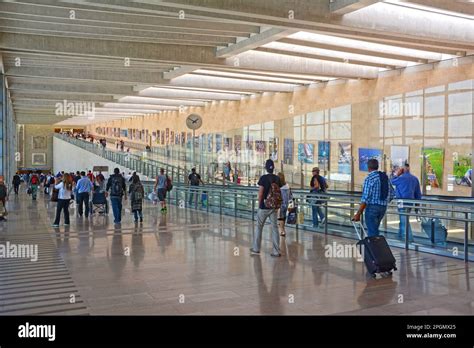
Tel Aviv’s Ben Gurion Airport has long served as a critical aviation gateway to the Middle East, handling more than 25 million passengers annually pre-pandemic. Located just 15 kilometers southeast of the city center, the airport has been both a commercial hub and a geopolitical flashpoint. Over the years, Israel has invested significantly in airport security measures, often seen as among the most advanced in the world.
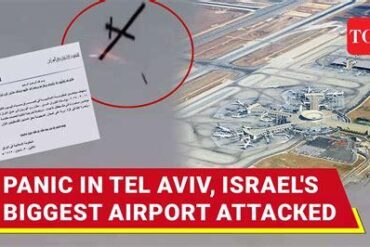
However, even the most secure airport facilities cannot offset the risks posed by airspace threats, missile attacks, or regional warfare. Airlines must consider not just departure and arrival point safety, but also the entire flight corridor, which in the case of JFK–TLV, involves traversing multiple sensitive zones.
Since October 2023, several airlines including Lufthansa, British Airways, and American Airlines have scaled back or completely suspended their operations to Israel. While some carriers have attempted limited resumption under tight security conditions, many have reversed course following renewed outbreaks of violence, especially in Gaza and along Israel’s northern border.
Passenger Impact and Alternative Options
Delta’s decision has left a significant gap for U.S.-Israel travelers, especially those based in or connecting through New York. While United Airlines continues to operate limited service from Newark to Tel Aviv, capacity remains constrained and fares have surged in the absence of competition. American Airlines, which once offered a direct link from Miami to Tel Aviv, has also suspended its operations indefinitely.
For travelers seeking alternatives, some viable options remain:
- United Airlines: Reduced service between EWR and TLV
- El Al Israel Airlines: Israel’s national carrier continues to operate, though often under adjusted schedules
- European Connectors: Travelers can book via Air France, Lufthansa, or Turkish Airlines with transfers through Paris, Frankfurt, or Istanbul
However, even these options are subject to rapid changes based on regional developments, and passengers are urged to monitor advisories and remain flexible with travel dates.
Strategic Refocus: Delta Strengthens Asia-Pacific Presence
While suspending its JFK–Tel Aviv route, Delta is simultaneously expanding its presence in the Asia-Pacific region, with a particular emphasis on Seoul Incheon. This strategic pivot reflects not only current geopolitical realities but also Delta’s broader ambition to capitalize on growth opportunities in safer, high-demand markets.
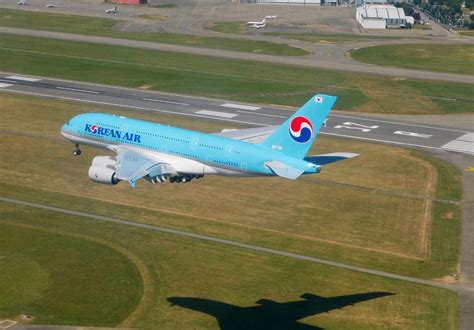
In collaboration with Korean Air, Delta recently launched a new route from Seattle to Seoul, solidifying its joint venture foothold in East Asia. The partnership allows Delta to offer hundreds of onward connections from Seoul across Asia, including destinations in Japan, Southeast Asia, and beyond. Given the strong rebound in transpacific travel post-COVID, this move positions Delta to redirect its long-haul aircraft from risk zones to revenue-generating markets.
In its latest earnings call, Delta executives reaffirmed the importance of network agility and risk management as core elements of their international strategy. The reallocation of widebody aircraft from the suspended Tel Aviv route could support increased frequency or larger aircraft on Asia routes, providing a more stable and profitable use of fleet resources.
Outlook: Future Reinstatement Hinges on Regional Stability
Delta has made it clear that its JFK–Tel Aviv route suspension is not permanent, but any reinstatement will depend entirely on improved security conditions and guidance from aviation authorities. The carrier continues to work closely with the FAA, TSA, and State Department in assessing the feasibility of future operations.
Industry observers note that full normalization of the route could take several quarters, if not years, given the evolving nature of the crisis. Additionally, airline insurance premiums, crew safety concerns, and airspace restrictions will all factor into future decisions.
In the meantime, Delta’s exit from the U.S.–Israel corridor leaves a substantial market void and serves as a stark reminder of the aviation sector’s exposure to global instability. The suspension also underscores the critical role airlines play in reflecting, reacting to, and sometimes shaping the contours of geopolitical reality.
Final Thoughts: A Calculated Pause in an Uncertain World
Delta’s bold decision to suspend flights between New York and Tel Aviv is more than a network adjustment—it is a clear-eyed response to an increasingly unpredictable world. As conflict zones expand and aviation risk profiles shift, major carriers must constantly evaluate where, when, and how they operate. For Delta, placing safety above all else sends a powerful message to stakeholders and travelers alike: no destination, no matter how historically important or commercially viable, justifies compromising passenger welfare.
The airline’s ability to pivot, redeploy resources, and maintain brand integrity amid crisis offers a masterclass in crisis management, network flexibility, and strategic foresight. Whether the skies over Tel Aviv will once again welcome Delta’s red, white, and blue tailfin in the coming years depends on forces far beyond aviation—but the precedent set here will likely echo across the industry.