The sudden suspension of a flagship transatlantic route has sent ripples across the global aviation landscape. Delta Air Lines’ decision to halt its New York JFK–Tel Aviv service reflects a convergence of geopolitical instability, shifting demand patterns, and strategic recalibration. As one of the most closely watched long-haul corridors, this route has long served as a vital link between North America and Israel, making its disruption particularly significant.
Why Delta Suspended Flights to Tel Aviv
The primary driver behind the suspension is the deteriorating security environment in the Middle East, particularly the ongoing tensions involving Iran. Airlines operate within a tightly regulated safety framework, and even marginal increases in risk can trigger immediate operational changes. For Delta, suspending service is not merely precautionary—it is a calculated move to preserve both passenger safety and operational integrity.
This is not an isolated decision. The airline had already postponed the relaunch of its Atlanta–Tel Aviv route, originally scheduled for April, pushing it back to August. The extension of the JFK suspension further underscores the unpredictable nature of the region’s aviation landscape. Routes that once thrived on steady demand are now subject to rapid, reactive adjustments.
Updated Schedule: JFK–Tel Aviv Route Details
Delta initially planned to resume flights between New York JFK and Tel Aviv on April 1. However, the latest schedule update shifts this date to June 1, reflecting continued uncertainty.
The planned daily service schedule is as follows:
- JFK to Tel Aviv: Departure at 3:35 PM, arrival at 9:35 AM (+1 day)
- Tel Aviv to JFK: Departure at 11:45 AM, arrival at 5:05 PM
These timings are based on June operations and remain subject to further revisions. The route, spanning 4,933 nautical miles (9,136 km), stands as Delta’s longest active connection from New York.
A Strategic Route with Deep Historical Roots
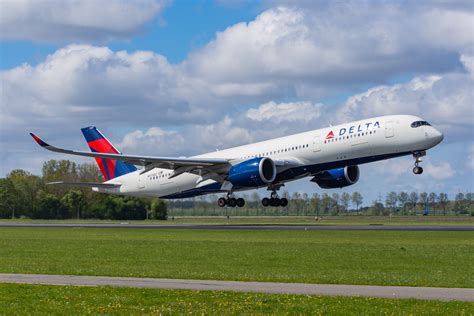
Delta’s relationship with the New York–Tel Aviv corridor stretches back decades. The airline first served the route in 2001 and later reintroduced it in 2008. Over time, it has become a cornerstone of Delta’s transatlantic network, linking two major economic and cultural hubs.
Historically, the airline has operated even longer routes from JFK, including services to Mumbai, Tokyo Narita, and Amman. Yet Tel Aviv remains uniquely significant due to its high-yield passenger mix, combining business travelers, diaspora traffic, and tourism flows.
The route’s importance is further amplified by its competitive landscape. Carriers such as El Al and Arkia have established strong footholds, ensuring that demand remains robust even during periods of disruption.
Passenger Demand and Market Performance Insights
Despite the suspension, the underlying demand for travel between New York and Tel Aviv remains strong. In 2025, approximately 630,000 round-trip passengers traveled between the two cities. When including nearby Newark operations, the broader market exceeded one million passengers annually, translating to more than 2,700 travelers per day.
Delta’s share of this market, however, was relatively modest. The airline carried just under 100,000 passengers on the route last year, largely due to its limited operational window. Flights were suspended for extended periods during mid-2025, significantly impacting total volume.
Load factors tell a nuanced story. Delta achieved an 85.6% seat occupancy rate, a respectable figure but notably lower than El Al’s 96.2%, which highlights the intense competition and strong demand concentration among Israeli carriers.
Competitive Pressures and Pricing Dynamics
The New York–Tel Aviv market is among the most competitive long-haul sectors globally. High demand has led to elevated fares, prompting regulatory scrutiny. Notably, El Al faced a $39 million fine for excessive pricing, a development that underscores the delicate balance between profitability and consumer protection.
This environment has also encouraged new entrants. Arkia launched JFK flights in 2025, capitalizing on unmet demand and limited capacity. A third Israeli carrier even explored transatlantic expansion, though those plans have yet to materialize.
For Delta, maintaining a presence in this market is strategically essential, but doing so profitably requires precise timing and operational flexibility—especially amid geopolitical volatility.
Delta’s Broader Israel Network Strategy
Looking ahead, Delta’s plans for Israel extend beyond the JFK route. As of late March, the airline intends to operate three distinct routes to Tel Aviv:
- New York JFK: Daily service (A330-900), expected to resume June 1
- Atlanta: Three weekly flights (A350-900), scheduled for August 5
- Boston: Daily service (A330-900), planned for October 24
Each route serves a unique market segment, collectively reinforcing Delta’s commitment to the region. The Atlanta–Tel Aviv route, in particular, has experienced a turbulent history, with multiple suspensions and resumptions since its initial launch in 2006.

Operational Challenges on Ultra-Long-Haul Routes
Operating ultra-long-haul flights like JFK–Tel Aviv involves complex logistics. Aircraft utilization, crew scheduling, fuel efficiency, and geopolitical routing constraints all play critical roles. When external risks increase, these variables become even more difficult to manage.
For instance, rerouting flights to avoid conflict zones can significantly extend flight times and increase costs. Insurance premiums may rise, and contingency planning becomes more resource-intensive. In such scenarios, temporary suspension often emerges as the most prudent course of action.
What This Means for Travelers and the Industry
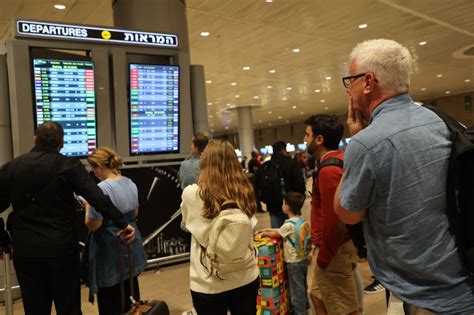
For passengers, the suspension introduces uncertainty but not a lack of options. Competing airlines continue to operate, ensuring connectivity between the U.S. and Israel. However, reduced capacity may lead to higher fares and limited seat availability, particularly during peak travel periods.
From an industry perspective, Delta’s decision highlights the fragility of global aviation networks in the face of geopolitical instability. Even high-demand routes are not immune to disruption, and airlines must remain agile to navigate an increasingly complex operating environment.
Outlook: Will Flights Resume as Planned?
The scheduled June 1 resumption of JFK–Tel Aviv flights remains tentative. Much will depend on developments in the region over the coming weeks. If conditions stabilize, Delta is likely to proceed as planned, leveraging pent-up demand to quickly restore profitability.
However, further delays cannot be ruled out. The airline’s cautious approach suggests a willingness to prioritize long-term sustainability over short-term gains. In a market defined by both opportunity and risk, that strategy may prove निर्णtive in maintaining competitive strength.