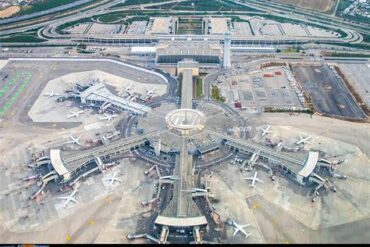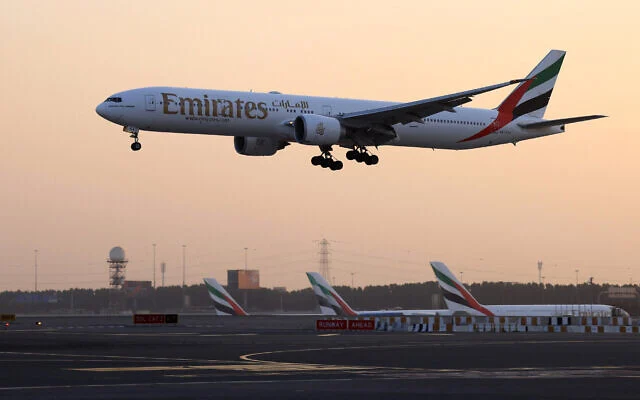
Israel is exploring one of the most unconventional aviation proposals in modern commercial aviation: allowing Emirates to operate direct flights between Tel Aviv Ben Gurion Airport (TLV) and New York JFK Airport (JFK) without routing aircraft through Dubai. If approved, the plan would create the world’s first major long-haul seventh freedom operation on one of the most strategically valuable transatlantic routes.
The proposal, first reported by Israeli media outlet Mako, would also include potential standalone Emirates flights between Tel Aviv and Bangkok Suvarnabhumi Airport (BKK). The move comes as Israel continues grappling with reduced international air service following regional instability and the prolonged suspension of many US carrier operations into the country.
The offer represents far more than a simple route expansion. It reflects Israel’s growing urgency to restore international connectivity, reduce airfares, and break the effective dominance currently enjoyed by local carriers on key long-haul markets.
Emirates And The Unprecedented Seventh Freedom Opportunity
Under seventh freedom traffic rights, an airline can operate flights entirely outside its home country without the route touching its own territory. In practical terms, Emirates aircraft and crews could be permanently based in Tel Aviv and fly directly to New York or Bangkok without stopping in Dubai.
Such arrangements are exceptionally rare, especially on premium long-haul international routes. Emirates has built its global business model around funneling passengers through its Dubai megahub, making the Israeli proposal especially remarkable. Instead of connecting travelers through the Gulf, the airline could potentially serve Tel Aviv as an independent operational base.
For passengers, the appeal is obvious. Israeli travelers heading to New York would gain access to Emirates’ premium onboard product without enduring a layover in Dubai. Business-class travelers, corporate clients, and high-yield leisure passengers could suddenly have a new nonstop option on a route currently suffering from limited competition.
The proposal also signals a major diplomatic and economic shift in the region. Aviation agreements often reveal deeper geopolitical priorities, and Israel’s willingness to offer Emirates unprecedented operating rights demonstrates how critical international connectivity has become during the current regional crisis.
Why Israel Is Seeking Alternative Airlines
The backdrop to the proposal is a severe reduction in international airline service to Israel following the October 2023 Hamas attacks and the broader regional conflict that followed. Multiple airlines repeatedly suspended operations into Tel Aviv due to security concerns and operational uncertainty.
US carriers have been especially cautious. Delta Air Lines plans to resume flights later this year, while American Airlines has delayed any potential return until at least 2027. United Airlines has yet to commit to a definitive restart date.
The result has been a dramatic shortage of long-haul capacity into Israel, particularly on transatlantic routes. With fewer widebody aircraft operating at Ben Gurion Airport, ticket prices surged while competition collapsed.
Currently, El Al and Arkia dominate the nonstop Israel–United States market. Israeli regulators have already scrutinized wartime fare increases as passengers faced sharply elevated ticket costs amid reduced alternatives.

For Israeli authorities, bringing Emirates into the market could immediately inject premium capacity and restore competitive pressure on routes that have become extraordinarily expensive.
Tel Aviv To Bangkok Could Become Equally Important
While the New York route has generated the most headlines, the proposed Tel Aviv–Bangkok service may be equally significant from a commercial perspective.
Thailand remains one of Israel’s most popular leisure destinations. More than 400,000 Israelis travel there annually, creating consistent year-round demand that remains resilient even during periods of regional uncertainty.
Currently, Emirates already carries a substantial share of Israeli passengers to Bangkok through connections in Dubai. A nonstop Emirates-operated service between Tel Aviv and Thailand would eliminate transit times while allowing the airline to capture premium travelers who prefer direct itineraries.
The Bangkok market has also suffered from reduced competition and operational disruptions in recent years. During periods of heightened regional tension, many Israeli travelers found themselves stranded after flight cancellations and rapidly changing security conditions disrupted international schedules.
Israel’s Ministry of Transportation appears to view Emirates as a stabilizing force capable of restoring reliable service on routes that remain economically and strategically important.
Operational And Political Challenges Remain Significant
Despite the commercial logic behind the proposal, major obstacles remain before Emirates could realistically begin operating seventh freedom flights from Tel Aviv.
First, aviation regulators in both Israel and the United States would need to approve entirely new traffic rights frameworks. Bilateral agreements governing international aviation are typically rigid, especially involving foreign airlines operating domestic-style international sectors between third countries.
Second, Emirates itself would need to determine whether permanently basing crews and aircraft in Israel is operationally viable during an ongoing regional security crisis.
The Gulf aviation sector continues facing disruptions tied to tensions involving Iran and broader military activity across the region. Even though some fighting has eased in recent weeks, airlines remain cautious about maintaining stable operations near conflict zones.
For Emirates, the reputational and logistical risks would be substantial. Crew security, insurance costs, aircraft positioning, and operational continuity would all require careful evaluation before any final decision could be made.

A Potential Reshaping Of Middle East Aviation
If implemented, the proposal could reshape aviation dynamics across the Middle East and transatlantic markets. Emirates would gain direct access to one of the region’s strongest premium travel corridors while Israel would secure urgently needed airline capacity.
The move would also intensify competition against El Al on routes where the Israeli flag carrier currently enjoys unusually strong pricing power due to limited alternatives.
More broadly, the idea highlights how geopolitical disruption is forcing governments and airlines to reconsider long-standing aviation norms. Hub-and-spoke systems that once dominated global route planning are increasingly being challenged by political realities, passenger demand, and economic pressure.
For now, the proposal remains only a possibility. Yet even the discussion itself reveals how dramatically the aviation landscape around Israel has changed — and how far governments may be willing to go to restore global connectivity.