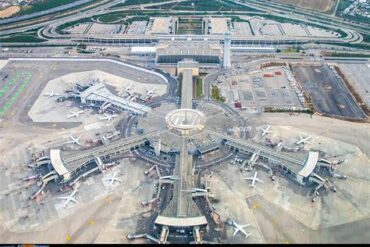
In the wake of escalating regional tensions, Air India has officially suspended all direct flights to Tel Aviv, citing growing security risks due to Houthi missile activity targeting air routes over the Red Sea and surrounding areas. This development comes amid increasing concerns for civilian aviation safety in a corridor that has historically served as a key link between India and Israel.
The decision marks a significant disruption in the airline’s international operations, one that reflects the broader instability stemming from the ongoing conflict in the Middle East. For travelers, diplomats, and the Indian diaspora commuting between the two countries, this suspension adds another layer of uncertainty to an already volatile geopolitical situation.
Escalating Regional Hostilities Trigger Flight Suspension
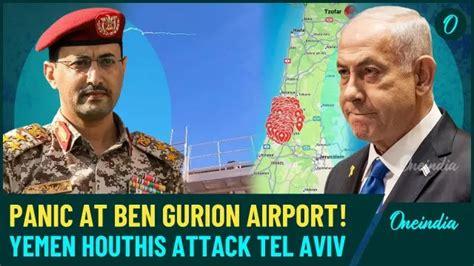
The Houthis, an Iran-aligned rebel faction based in Yemen, have intensified their attacks in response to what they describe as Israeli aggression in Gaza. Their campaign, initially focused on maritime threats in the Red Sea, has now expanded to include ballistic missile strikes capable of targeting aircraft within a wide operational radius. According to regional defense analysts, these missile threats are not isolated incidents but part of a larger strategic effort to assert regional influence and disrupt Western and allied air and sea movement.
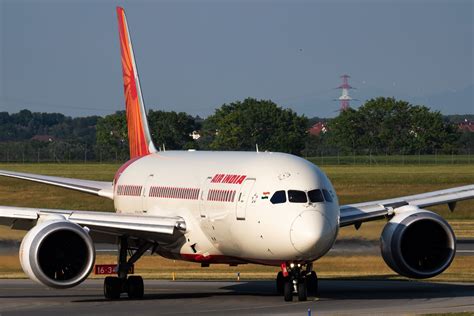
Air India’s route to Tel Aviv typically skirts the Arabian Peninsula, making it vulnerable to midair hazards from Houthi-controlled zones. Although no Air India aircraft have been directly targeted to date, the risk threshold has clearly been breached. In its official statement, the airline emphasized that passenger safety remains the utmost priority and noted that the suspension is temporary, contingent on security assessments from Indian and international aviation authorities.
Security Briefings and International Coordination
Behind the scenes, Indian aviation regulators and intelligence services have been in close communication with counterparts in the United States, Israel, and the UAE. The Indian Directorate General of Civil Aviation (DGCA) issued an advisory urging all carriers operating in the vicinity of Yemen’s airspace to reroute or suspend operations until further notice.
International Air Transport Association (IATA) protocols recommend proactive avoidance of high-risk airspaces, and Air India’s move aligns with those guidelines. The airline had been receiving real-time threat intelligence from global airspace security monitors such as OPSGROUP and EASA (European Union Aviation Safety Agency), which flagged the region as increasingly hazardous following a series of drone and missile launches.
Diplomatic Implications for India-Israel Relations
This flight suspension has potential diplomatic reverberations. India and Israel have nurtured a robust strategic partnership over the past decade, encompassing defense, technology, and cultural exchanges. The direct air link between New Delhi and Tel Aviv, reinstated in 2018 after decades of hesitation, was symbolic of warming bilateral ties and growing people-to-people engagement.

The route, serviced by Boeing 787 Dreamliners, had become increasingly popular with Israeli business travelers, Indian professionals, and tourists. With the sudden halt, both governments are now exploring alternative solutions to maintain connectivity, including temporary code-share arrangements with European or Gulf-based carriers.
Operational and Commercial Setbacks for Air India
From a commercial standpoint, Air India’s Tel Aviv service has been a high-yield route, especially post-pandemic, as demand for direct, non-stop international travel surged. The suspension not only results in lost revenue but also disrupts scheduling and fleet utilization. The aircraft assigned to the Tel Aviv route must now be reassigned or grounded, affecting crew rotations and other route operations.
Air India, currently undergoing a transformation under the Tata Group’s stewardship, had marked the Tel Aviv service as part of its premium international growth strategy. Pausing this route could delay some of its broader network ambitions in the Middle East and Europe.
Wider Impact on International Aviation
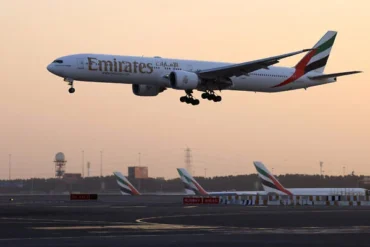
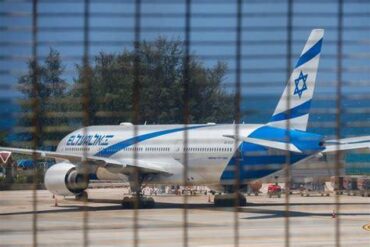
This move by Air India is not in isolation. Other international carriers such as Lufthansa, Emirates, and British Airways have already rerouted flights away from Yemeni and Red Sea airspace, while El Al Israel Airlines has increased security protocols on all outbound flights. These collective responses underscore how airspace volatility in conflict zones has become a global aviation concern.
Moreover, the increased cost of longer detour routes—adding both fuel expenses and flight hours—may ultimately translate into higher ticket prices and reduced scheduling flexibility for international passengers. Insurance premiums for flights operating anywhere near conflict zones are also likely to spike, placing additional financial burdens on airlines.
Houthi Capabilities and Their Strategic Threat to Civil Aviation
Analysts have noted that the Houthis’ missile capabilities have evolved significantly, thanks to sophisticated technology transfers from regional allies. What began as short-range, battlefield-grade munitions has grown into a credible long-range threat capable of reaching international air routes.
The use of precision-guided missiles and drones, many reportedly reverse-engineered from Iranian designs, allows the Houthis to disrupt both maritime and aerial transit corridors. Their stated goal is to target Israeli and allied interests—but the implications for global aviation safety are severe. The accidental targeting or misidentification of civilian aircraft could result in catastrophe, echoing the tragic fate of Malaysia Airlines Flight MH17 in 2014.
India’s Response and Future Precautionary Measures
The Indian Ministry of Civil Aviation and Ministry of External Affairs are jointly working to ensure that passengers are kept informed and alternative routes are communicated clearly. A helpline has been activated to support affected travelers, many of whom had planned upcoming visits for both religious pilgrimages and business engagements in Israel.
At the policy level, India is also expected to reinforce its engagement with ICAO (International Civil Aviation Organization) to advocate for more coordinated global responses to emerging regional airspace threats. The recent events underscore the need for a real-time civil aviation conflict-zone warning system that goes beyond existing NOTAM (Notice to Air Missions) protocols.
Outlook: A Cautious Wait for Stability
Whether the suspension will be brief or prolonged depends on how the broader conflict in the region evolves. With Israel intensifying its operations in Gaza and the Houthis vowing retaliation, the potential for wider regional spillover remains high. For now, Air India’s grounding of its Tel Aviv service stands as a necessary, if unfortunate, precaution in the face of unpredictable threats.
In a statement to stakeholders, Air India reiterated its commitment to restoring full service “as soon as operational conditions permit.” Until then, the decision is emblematic of the new geopolitical calculus that airlines must navigate—where safety, diplomacy, and strategic foresight must weigh heavier than commercial imperatives.