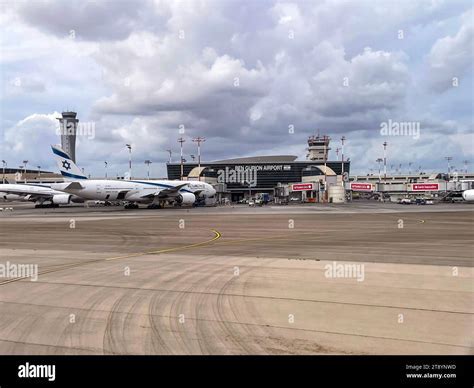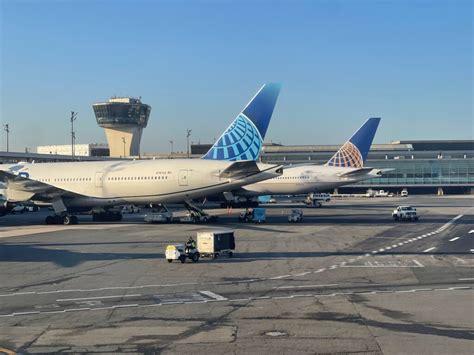
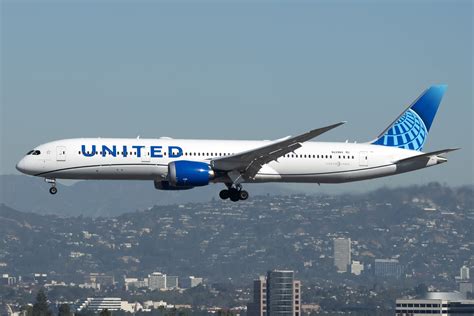
After more than a month of suspended operations, United Airlines is officially resuming its nonstop service from Newark Liberty International Airport (EWR) to Tel Aviv Ben Gurion Airport (TLV) beginning July 21, 2025. The highly anticipated return comes as a crucial turning point for transatlantic travel between the United States and Israel, reestablishing a vital air bridge for thousands of travelers. The initial flight will depart on July 21, followed by the restoration of twice-daily service from July 22. For travelers, families, business professionals, and tour groups alike, this announcement marks a welcome relief in a landscape long disrupted by geopolitical tensions.
United Airlines Restores Service After Sudden Suspension
The decision to halt flights to Israel on June 11, 2025, was prompted by escalating hostilities involving Israeli military operations targeting Iranian positions. The security situation necessitated United to recall a flight already en route to Tel Aviv, an unprecedented move that underscored the gravity of the unfolding regional developments. Alongside United, other U.S.-based carriers—including Delta Air Lines—paused service indefinitely. Delta’s JFK-Tel Aviv route remains suspended through August 31, leaving United as the first major U.S. airline to restore operations.
United’s return signals not only confidence in the safety and viability of the route but also highlights the airline’s ongoing commitment to serving the Israeli market, which remains one of the most high-demand destinations in the Middle East.
Why This Route Matters: The U.S.–Israel Connection
The resumption of daily nonstop flights between Newark and Tel Aviv is far more than a logistical update—it represents a symbolic and practical milestone for international travelers. Israel’s global status as a hub for technology, business innovation, religious tourism, and cultural heritage makes it an essential destination for Americans. Likewise, Tel Aviv serves as a key point of entry into Israel for travelers from North America.
United’s dual-daily service allows for greater scheduling flexibility, catering to a wide demographic: tourists, business leaders, academic professionals, and families visiting loved ones. With increased seat availability, the airline can accommodate surging demand while helping stabilize airfare prices amid volatile regional dynamics.
What Travelers Should Expect Post-Resumption
While the announcement has been welcomed enthusiastically, travelers should remain vigilant. Security conditions in Israel remain dynamic, and airlines will continue to monitor developments closely. United has emphasized its coordination with international aviation authorities and Israeli officials to ensure flight safety and rapid responses to any emerging threats.
Passengers booking or rebooking should be aware of the following:
- Flight reliability: While service is back, flights remain subject to last-minute adjustments if the security situation changes.
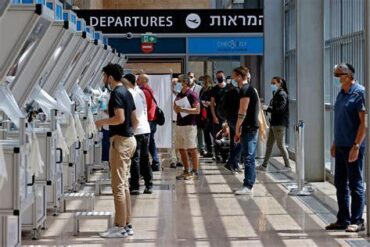
- Check-in procedures: Expect increased screening protocols both at Newark and Tel Aviv.
- Arrival guidelines: Travelers may face lengthier customs or immigration procedures, particularly during high-alert periods.
United Airlines’ Competitive Edge Over Other Carriers
As United resumes its Tel Aviv route, other carriers remain on pause. Delta, for instance, has pushed its reentry back to late summer, while American Airlines had already discontinued Tel Aviv service in 2023. This leaves a significant opportunity for United to solidify its market dominance on the U.S.–Israel corridor.
By maintaining consistent scheduling and offering high-frequency service, United positions itself as the most reliable option for travelers needing to cross the Atlantic to Israel. Its modern fleet of Boeing 787 Dreamliners offers upgraded comfort, lie-flat seating in Polaris business class, and improved cabin pressurization—key features for passengers flying the long-haul transcontinental journey.

Continued Operations by Israeli Airlines Provide Backup Options
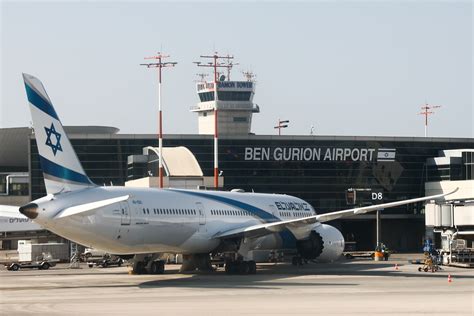
During United’s suspension, Israeli carriers such as El Al Israel Airlines and Arkia Israeli Airlines remained operational, despite heightened risks. These airlines continue to provide critical links between the U.S. and Israel, especially from cities such as New York, Miami, and Los Angeles.
El Al in particular has proven to be a pillar of consistency, with flexible rebooking policies and robust in-flight security protocols. Travelers still hesitant about relying solely on U.S. airlines may consider booking with El Al, which maintains its flagship JFK–Tel Aviv and Miami–Tel Aviv routes.
Tips for Travelers Flying to Israel in the Current Climate
In light of ongoing volatility, travelers need to be especially proactive. A successful journey hinges on awareness, flexibility, and preparation. Here are key recommendations for anyone planning to fly to Tel Aviv:
- Track flight status frequently via the United Airlines app or website.
- Opt for flexible fare options that allow no-penalty changes.
- Enroll in flight alerts and government travel advisories.
- Invest in comprehensive travel insurance, including coverage for cancellations or security-related disruptions.
- Stay updated on local security alerts issued by the U.S. State Department and Israeli authorities.
In this environment, being informed is as important as being booked. With real-time travel updates and direct airline communication, passengers can navigate these turbulent skies with greater confidence.
Newark Airport as a Strategic U.S. Hub
Newark Liberty International Airport serves as one of United’s primary international gateways. Its strategic location in the New York metropolitan area makes it a preferred choice for travelers headed to Israel. With fast-track connections to other major U.S. cities and a robust infrastructure for international security processing, EWR provides a smoother and more efficient travel experience compared to some of its Northeast corridor counterparts.
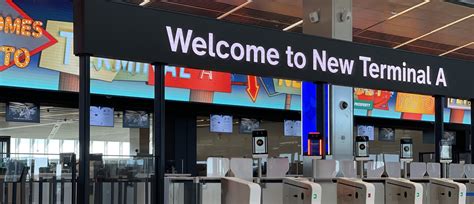
Moreover, Newark’s Terminal C has undergone substantial modernization in recent years, featuring upgraded lounges, biometric security lanes, and digital wayfinding systems—all of which enhance the experience for outbound travelers.
Business Travel to Israel Reawakens
United’s flight resumption comes as a relief to American business leaders, venture capitalists, and startup founders frequently traveling to Israel, particularly to Tel Aviv, which is home to a thriving tech ecosystem dubbed the “Silicon Wadi.”
International meetings, tech summits, and joint ventures were all placed on hold due to the previous flight suspensions. With United back in operation, many of these engagements can now resume with direct air access, making it easier to build and sustain cross-border innovation.
Tourism Reopens for Americans Visiting Israel
While business interests play a major role, tourism remains at the heart of the U.S.–Israel travel connection. Many Americans visit Israel for its historic and religious landmarks such as Jerusalem’s Old City, the Dead Sea, and Nazareth. With United’s double-daily flights, visitors now have more opportunities to plan flexible itineraries without worrying about layovers or lengthy re-routing.
This return to travel also means Jewish-American families can once again visit relatives, attend celebrations, or explore heritage tours that had been postponed. The availability of nonstop flights from a major hub like Newark reopens vital personal and cultural connections.
Final Thoughts: A Measured but Optimistic Reopening
The resumption of United Airlines’ Newark-Tel Aviv flights marks a pivotal moment in international air travel’s rebound from regional disruption. While it does not signal the end of volatility in the Middle East, it does reflect a cautious optimism backed by operational readiness and thorough risk assessment.
Passengers seeking to reconnect with Israel—whether for family, faith, business, or tourism—should act quickly. With United offering twice-daily service, now is an ideal time to book flights and benefit from increased availability and improved convenience.
Travelers must remain alert and flexible, but this route’s revival sends a clear message: international mobility is returning, one flight at a time.