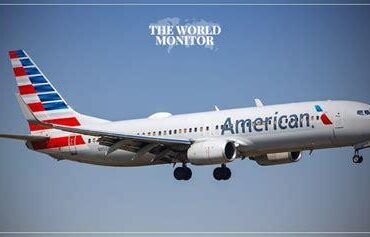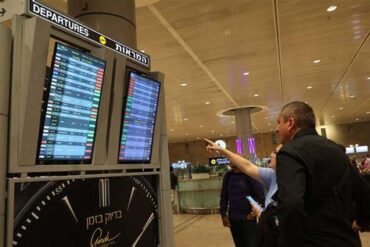
Delta Airlines has officially extended its suspension of flights between Tel Aviv and New York City’s John F. Kennedy International Airport (JFK) until August 31, 2025, citing heightened regional security concerns as the principal reason. The airline’s decision comes in the wake of escalating military conflicts and missile threats involving Israel and Iran, which have significantly disrupted air travel and raised serious safety concerns for both passengers and airline staff.
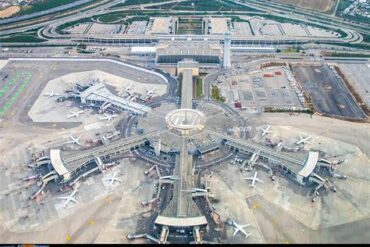
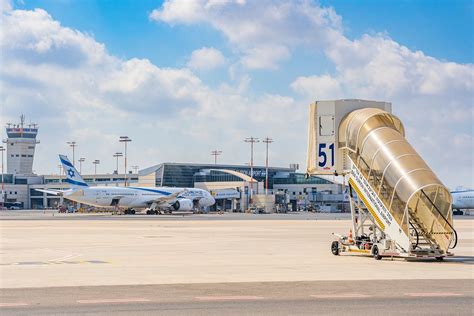
The airline announced this development as part of its ongoing evaluation of the security environment in the Middle East, particularly around Israel’s Ben Gurion International Airport (TLV). With passenger and crew safety at the forefront of its operations, Delta has made the call to suspend its only direct route from New York to Tel Aviv, further underscoring the risks associated with continued military activity in the region.
Delta Cites Geopolitical Unrest and Missile Strikes as Key Drivers
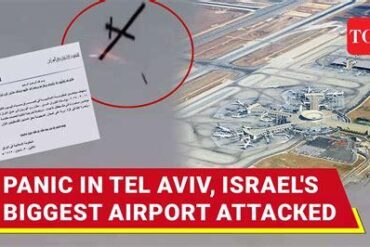
The current wave of regional instability, especially in the aftermath of intensified military exchanges between Israel and Iran, has led Delta to prolong the suspension of its services. With multiple missile strikes targeting major infrastructure in Israel, including areas within the range of Tel Aviv’s international airport, the airline concluded that flying into such a volatile zone poses unacceptable risks.
While Israel has long served as a key nexus of international business and tourism, these recent hostilities have hampered regular operations and prompted major international carriers to re-evaluate their scheduling into the country. For Delta, the extension through August reflects both a pragmatic safety protocol and a recognition of the rapidly changing nature of the threat landscape.
A spokesperson for Delta emphasized that the company is working closely with U.S. and international government agencies, alongside regional intelligence sources, to monitor conditions. The final decision to resume services will only occur once Delta’s internal security advisors, aviation analysts, and diplomatic channels provide strong indications of a stabilized environment.
Travel Waiver and Passenger Support Policy
To assist affected travelers, Delta Airlines has rolled out a comprehensive travel waiver program for all customers whose itineraries involve flights to or from Tel Aviv between June 12 and August 31, 2025.
Passengers under this waiver can:
- Rebook their flights without incurring fare differences, as long as they maintain the same cabin class.
- Choose new travel dates up to November 15, 2025, depending on seat availability.
- Opt for full refunds if they decide against rescheduling their trip.
This policy reflects Delta’s commitment to customer-centric service during a period marked by uncertainty and logistical disruption. Rebookings can be managed through the Delta website, Fly Delta app, or via customer service representatives. The company has also published detailed travel advisory updates on its platforms to help passengers navigate this complex situation.
A Broader Airline Industry Response to Middle East Conflict
Delta’s decision is not occurring in isolation. The airline industry as a whole is grappling with the impact of renewed conflict in the Middle East, particularly as airlines assess both security and commercial implications.
United Airlines briefly halted flights to Tel Aviv earlier this year, but has since resumed daily services from Newark Liberty International Airport (EWR) under enhanced security protocols. The carrier maintains a robust coordination channel with U.S. and Israeli authorities, ensuring that every flight operates within a tightly controlled risk perimeter.
In contrast, British Airways and Air France-KLM have opted to prolong their suspensions of Tel Aviv-bound flights indefinitely, underscoring their more conservative operational posture. Both carriers are following closely the recommendations from the European Union Aviation Safety Agency (EASA), which continues to evaluate Israeli airspace on a near-daily basis.
While Israel remains a lucrative market for international carriers due to its dynamic economy and active diaspora, airlines are balancing profitability with passenger safety and reputational risk. For now, the trend points toward a cautious and flexible approach, with operational decisions being updated frequently depending on the security outlook.
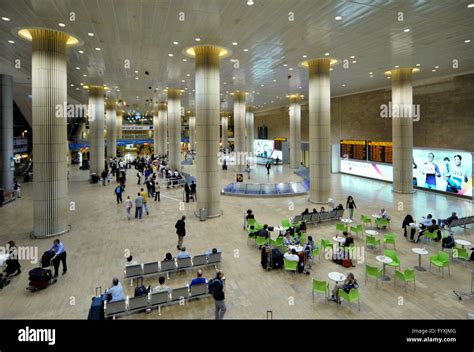
Implications for Travelers and the Israeli Economy
This continued suspension by a major U.S. airline like Delta carries profound implications beyond aviation logistics. Israel relies heavily on air connectivity, particularly with the United States, for business, tourism, technology collaboration, and academic exchange. The extended suspension through the peak summer travel season is likely to affect international business meetings, cultural tourism, and even religious pilgrimages, particularly during the Jewish high holidays.
Moreover, travelers who had planned summer vacations or business travel to Israel now find themselves navigating a complex web of cancellations, rebookings, and travel advisories. Even for those who can find alternative routes with other airlines, prices have spiked and layovers have increased, particularly with many European routes no longer operating direct flights.
Industry analysts warn that if the suspension continues into the fall or winter, Tel Aviv’s status as a regional travel hub could face longer-term repercussions, especially as airlines like Emirates and Turkish Airlines seek to expand their footprint in less politically volatile regions.
What Travelers Need to Know Going Forward
As of now, travelers with scheduled Delta flights to Tel Aviv should monitor the airline’s official communication channels and subscribe to travel alerts. Additionally, those holding tickets between JFK and TLV should take advantage of Delta’s waiver and refund policy as early as possible to secure alternative arrangements.
Travelers should also keep in mind the following key points:
- Delta will not resume service before August 31, 2025, and future changes will be contingent on security assessments.
- Refund and rebooking options are accessible 24/7 via Delta’s digital platforms and call centers.
- Delta is not processing new bookings for the JFK–TLV route until further notice.
Travelers planning routes through Israel should prepare for continued disruptions, closely follow travel advisories from the U.S. Department of State and the Israeli Ministry of Transportation, and consider routing through alternative cities like Amman, Istanbul, or Dubai, where possible.
Looking Ahead: When Might Delta Resume Flights?
While August 31 remains the official suspension date, many aviation experts believe the timeline for resumption could be extended again if tensions fail to de-escalate. Delta’s future decisions will likely depend on several interrelated factors:
- Stability in southern and central Israel, especially in areas near Ben Gurion Airport
- Clear reductions in missile threats or ceasefire agreements
- Guidance from the Federal Aviation Administration (FAA) and international aviation regulators
- The ability of ground staff and flight crews to safely operate in the region
Until those criteria are met, Delta appears set on maintaining a risk-averse posture, ensuring that when it does resume service, it does so in full confidence of operational safety.

Conclusion
Delta Airlines’ decision to extend its suspension of flights to Tel Aviv until the end of August 2025 sends a clear message: security comes first. While the move has created logistical challenges for passengers and disrupted travel plans during a critical season, the airline has responded with a well-structured waiver policy and ongoing updates.
For now, travelers should remain agile, informed, and flexible. The resumption of normal air travel to Tel Aviv depends not only on military developments but also on the broader geopolitical climate in the Middle East. As Delta, along with other global carriers, continues to monitor the situation, passengers are advised to plan with caution and prioritize safety over convenience.